
Pandemic reveals how Valley’s Black, Hispanic residents need better access to parks
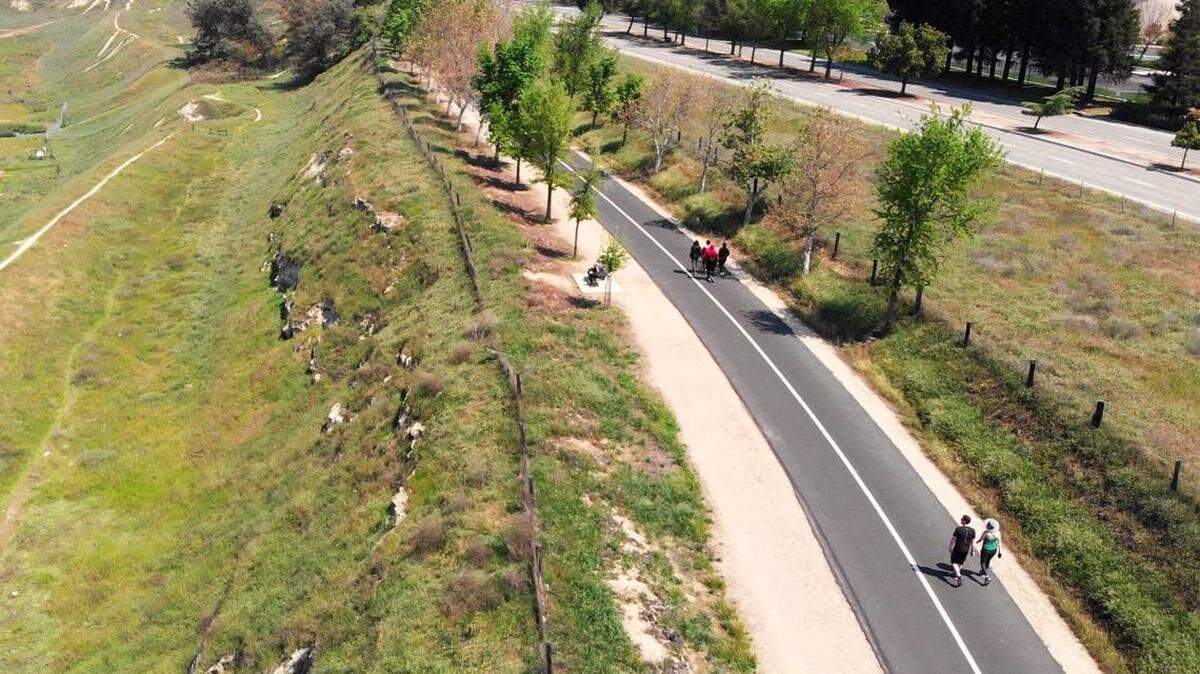
It’s been almost one year of the all-consuming COVID crisis. Fortunately, throughout the pandemic, we’ve been able to rely on our local parks for desperately needed recreation, respite and relaxation. In Delano, Memorial Park is a popular place for families to enjoy time outdoors. In Fresno, Woodward Park is beloved for picnicking and running.
Here in the Central Valley, we continue to experience the cruelest impacts of the pandemic. In addition to other widening health and economic injustices, the COVID catastrophe has highlighted another glaring inequity: despite parks like Memorial and Woodward, we simply don’t have enough parks or green space. The Trust for Public Land recently ranked Fresno 92 out of 100 metropolitan areas for park access and quality.
Parks are vital community investments that improve our economic, environmental and personal well-being. That’s why it’s critical that programs like the federally funded Land and Water Conservation Fund (LWCF) and the Outdoors Recreation Legacy Partnership Program (ORLP) are supported and continue long into the future.
LWCF has established parks, fields, and playgrounds nationwide since 1964. With strong bipartisan support, the program was permanently funded by the last Congress. Both Memorial and Woodward parks have received funding from LWCF. ORLP was established in 2014 and uses LWCF dollars to create and improve parks, with a particular focus in neighborhoods that lack recreation opportunities. ORLP benefits places like the Central Valley where communities disproportionately lack access to parks.
Not only do LWCF and ORLP create parks and open space, but they also benefit our economy. LWCF helps create “shovel ready” infrastructure projects that support job creation. Establishing and maintaining parks through these programs can aid economic recovery in the Central Valley.
In Donald Trump’s final days as president, his Department of Interior diverted funding away from ORLP and in an effort to kill the program. Fortunately, the Biden administration announced it will withdraw this order and reinstate ORLP. We thank the current administration for righting this wrong and working to preserve ORLP.
But there is more work to do. Hispanic Access Foundation recently assessed areas nationwide that are the most “nature-deprived,” meaning regions with inequitable access to the outdoors. Compared to other places in the US, the report identified parts of the Central Valley as having both the highest proportion of people of color or low-income households and the most limited access to nature. To address these inequities, our leaders should ensure the Central Valley receives our fair share of LWCF dollars moving forward.
First, all of our Valley’s elected officials should call for more ORLP dollars to be directed to our communities. We urge federal Reps. Costa, Nunes, Valadao and Republican Leader McCarthy to support a one-time $500 million investment for ORLP in the upcoming infrastructure and recovery bills. Creating more green spaces for our communities should be a priority in any recovery plan — our well-being and our economies will be better for it.
Second, we ask readers to contact these representatives. Let them know how important park space is to you and how important it is for them to advocate for more ORLP funding for your community. Remember, they work for you. You can find contact information for your local representative online.
Creating and protecting more open space in the Central Valley must be a priority for our elected officials. When it’s safe to gather again, locals will flock to our fields, trails, and playgrounds with friends and family. Bringing more ORLP funding to the Central Valley will help our communities recover from the pandemic and create even more outdoor places for all of us to enjoy.