
Fresno State grad and public-access expert: Social media companies wrongly censor content
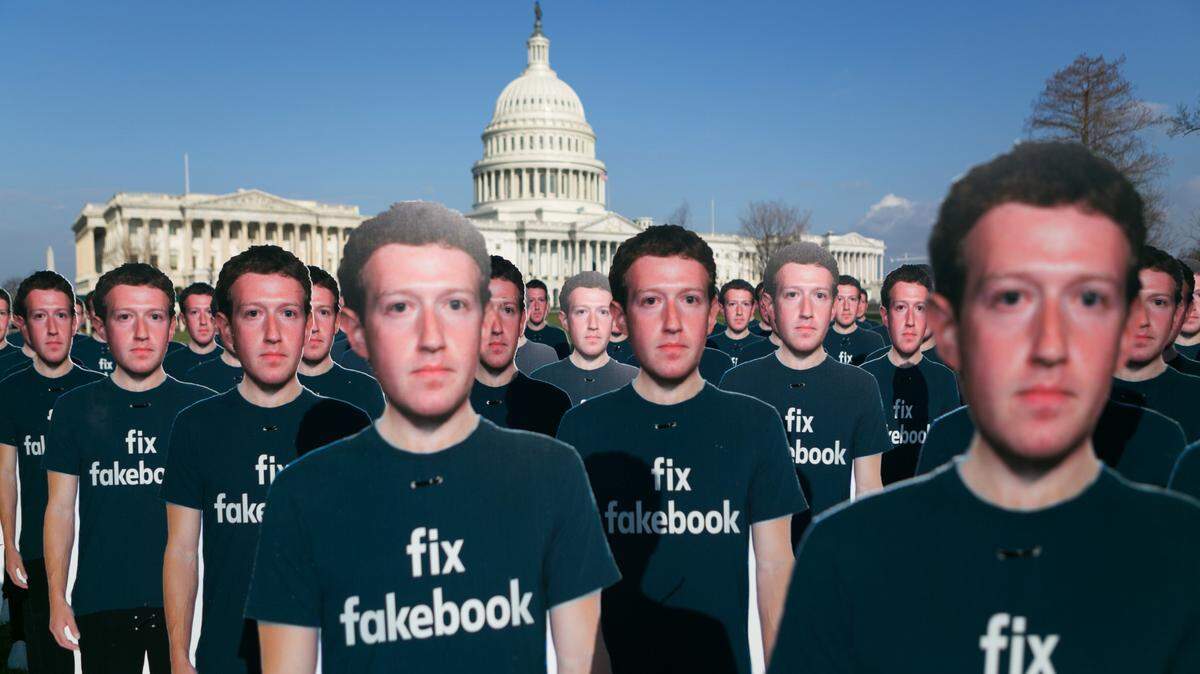
This past year, Facebook, Twitter and YouTube have outdone themselves in ramping up censorship of their users. Facebook prefers to use “fact checkers” or “Facebook jail” to tamp down free speech, while Twitter and YouTube just go straight to the nuclear option of “banning.”
Serious questions arise when looking at each of these behemoth companies’ involvement in skewing or censoring news and what effect it had on the General Election. I have been saying for a couple years, “You can’t be both a free speech platform with no liability for content and an editor.” But that is exactly how they have positioned themselves — to have their cake and eat it, too.
Luckily, there’s is a telecommunications model that has been around for 50 years that provides the answer: Public access television.
As the former executive director of the Alliance for Community Media, a national nonprofit that represented Public, Educational and Government (PEG) access television in local communities, at the state and federal levels and in court, it was my job to advise public access stations what they could or could not do in order to avoid being sued or even shut down.
In litigation brought at every level, to include the U.S. Supreme Court, Public Access TV has been affirmed as a free speech platform. The greater legal jeopardy is placed on the station managers, operators and municipalities who attempt to shut down programming they find distasteful or with which they don’t agree.
How many times did I advise local public access managers or even municipal leadership what they couldn’t do with problematic video programming? To ban what they considered “objectionable programming” would land them in court for violating the free speech rights of the producer. Further, it would make them the “publisher” or “editor,” and therefore they would be liable for all content on their station.
As a note, in the years I served in my capacity, most “objectionable programming” was political, not prurient. Which is the same with Facebook, Twitter and YouTube.
Section 230 of the Communications Decency Act of 1996 relieves the social media platforms or “channels” of liability and lawsuits through blanket immunity. Now those platforms falsely claim they are not publishers, while actually acting as publishers when they ban or pull posts or put users in “Facebook jail” or worse, de-platform speakers they don’t like. And Section 230 provides no protections for the “speakers” who are the users.
Further, Facebook, Twitter and YouTube cannot exist without using public infrastructure — those cable lines and cell towers. Though hardscape equipment is owned by cable operators, telecom and other private communications companies, they are allowed to deliver their product via public and private rights-of-way contracts (public streets and private property easements). Even satellite is governed by international treaties and law.
The entire premise of Facebook was “What’s on your mind?” But when people actually do speak their mind and Facebook doesn’t like it, they get shut down. Facebook, in particularly, encouraged free speech — free for all, but then it increasingly exercised editorial decision making, therefore becoming a publisher of content.
That “editorializing” makes them no different from The Washington Post or CNN, who recently got royally spanked by teenager Nick Sandmann. By curating content, Facebook, Twitter and YouTube set themselves up for their own Sandmann-style comeuppance. The only thing preventing this is Section 230.
As long as Section 230 exists, Facebook, Twitter and YouTube (or any other channels) will continue their bad behavior of deciding winners or losers in a free speech roulette. It is time to take away their immunity and let the chips fall where they may.