
Fresno County Latino teens are studied for how they handle pandemic pressures
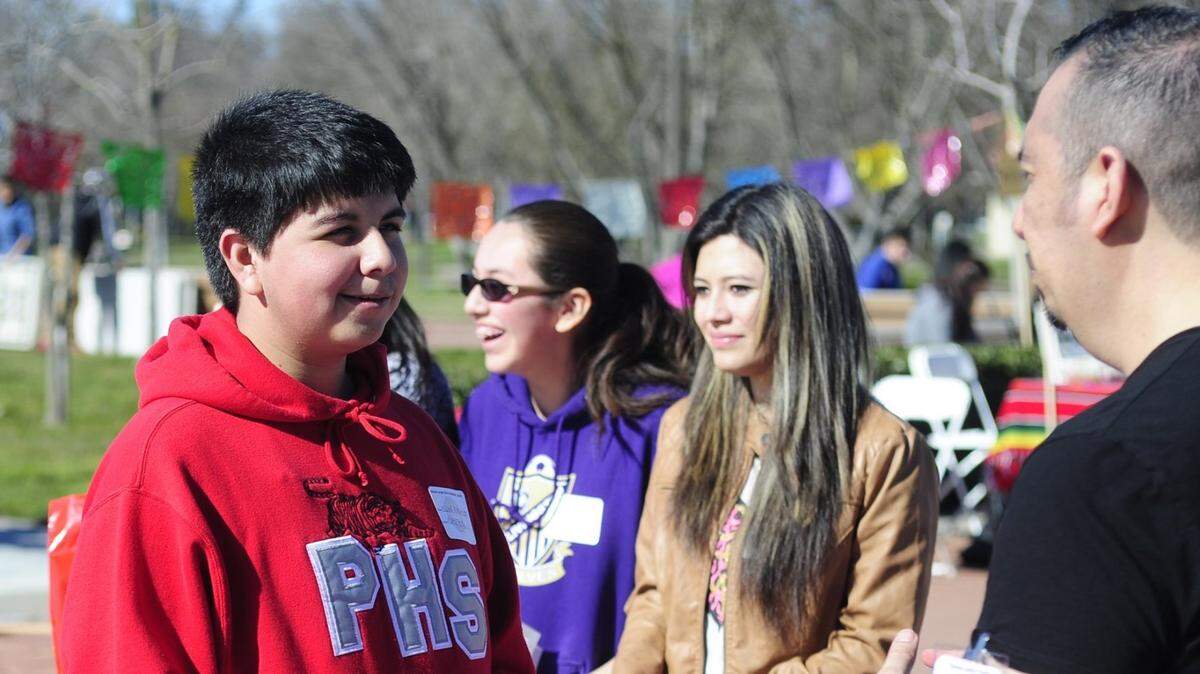
Much of the media and the public have been collectively rolling their eyes at young people as the COVID-19 pandemic continues to devastate the United States. Accounts of crowded parties feed the prevailing narrative that young people are flagrantly disregarding public health guidance and putting the rest of us at risk. But that story leaves out so many young people whose lives have been upended and who are trying to navigate this uncertain time.
My colleagues and I reached out to a group of mostly Latino 13-to-21-year-olds in Fresno County to find out how COVID is impacting their lives. We’ve been working with this group for a few years now, and they’re not the people you’re seeing in those photos of irresponsible parties. Before the pandemic, they were planning for their futures and looking ahead to milestones like prom and graduation. Now, as one teenager told us, “The ‘normal’ we once knew is one we might not see in a long time.”
The vast majority of the young people in our survey have been following rules to stop the spread of COVID. They’re wearing masks, washing their hands, and staying 6 feet away from friends. They take the risks seriously because they worry for their families. A lot of their fear comes from the fact that many of their family members are front-line workers in farming, health care, retail and restaurants. Or they’re worried they’ll bring COVID home from their own jobs — 20% of them are employed, working in the same industries under challenging conditions.
That anxiety is compounded by stress about economic stability. Most of them are very or somewhat worried that someone in their family will lose their job, and more than a third have experienced reduced income in the family.
They are also taking on more responsibilities at home like babysitting and cooking and dealing with major disruptions in their schooling. One student shared that “my parents don’t understand how online classes work and believe I am using schoolwork as an excuse for not doing chores during the day.” Many of them struggle with lack of motivation, being isolated from their peers, and adjusting to remote learning. Some are impacted by the digital divide. It’s hard to get the most out of school when you have one computer to share with your family. The internships and after-school programs that would have positioned them well for the future are canceled, plans to leave for college have been delayed indefinitely, and uncertainty remains about when school may begin again in person.
About two-thirds have seen a surge in boredom and others are facing increased depression and anxiety. At a time in their lives when friendships and relationships are crucial to their growth, they’re isolated from their peers. COVID has also limited dating and romantic relationships. While some are spending more time with a partner, others fought more under the stress of separation.
We’re doing the young people of the Central Valley and others like them a disservice by leaving their voices and experiences out of the story of this pandemic, and in crafting the response. Despite these immense challenges, these young people are persevering and remain hopeful for their futures.
We need to fund programs that increase access to resources like Wi-Fi, computers, and tutoring so students can stay connected and involved in their education. Underfunded schools need more support in finding and helping students who are not engaging in virtual learning, and we all need to strategize ways to help young people catch up with missed educational and career opportunities. We also need to do more to address their isolation, anxiety, and depression through increased access to counseling and telehealth. Parents should talk with their teens about how to manage friendships and romantic relationships safely and help identify ways to stay in contact.
It’s time to stop overlooking the experiences of these youth and help them build the futures they deserve.