
Latinos in Fresno deserve efforts to reduce climate-driven pollution and illnesses
2020 has been a significant year for climate change and its many environmental and social impacts. This year is on course to be the world’s hottest recorded year with record-breaking temperatures across the world. We’ve also seen a number of destructive natural disasters, from extreme hurricane seasons in the Atlantic to wildfire seasons in the West so intense they merit new classifications (“gigafires”). It’s clear from these catastrophes, along with a mountain of evidence-based science, that climate change is threatening our livelihoods. This extreme weather is devastating our health, economy, and environment, and is perpetuating inequities in our Latino communities.
California is one of the states most challenged by climate in the U.S., and Fresno and the greater San Joaquin Valley often experience climate impacts at disproportionate severity. The Central Valley of California is an agricultural powerhouse, considered the most productive agricultural industry in the U.S., and produces more than one-fourth of the nation’s food. This presents significant economic opportunities for the people and communities of the Valley, but it also presents a variety of challenges that can be exacerbated by climate change.
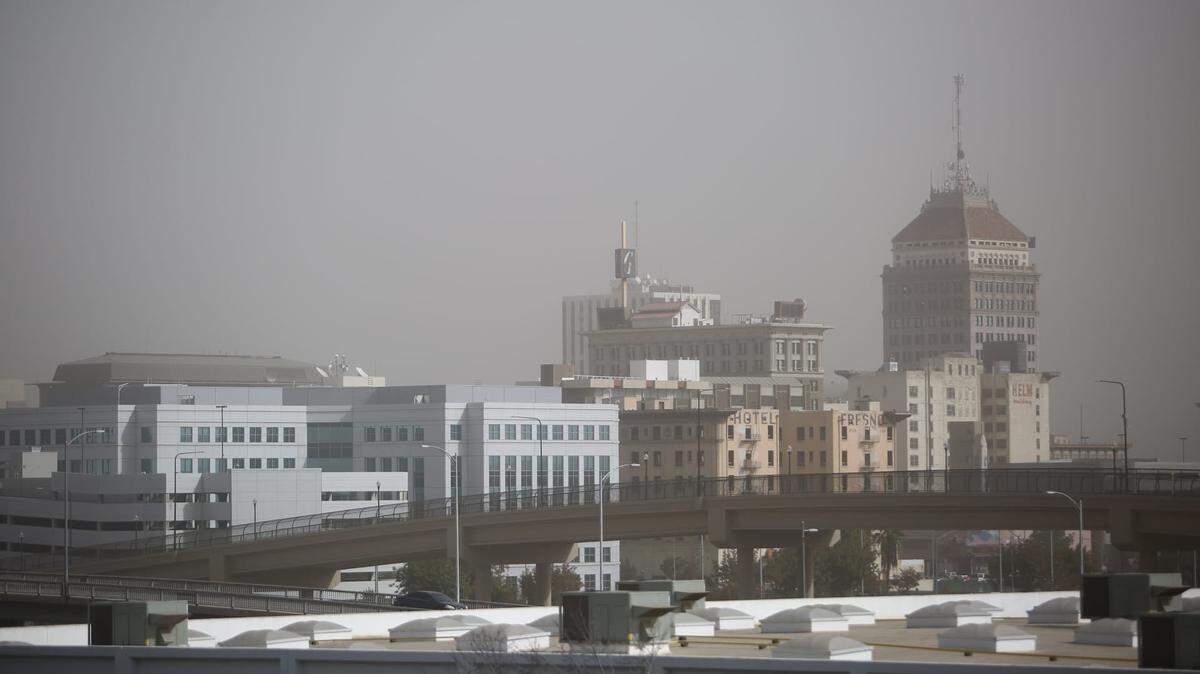
On top of being home to major agricultural production, the San Joaquin Valley is also home to the highest air pollution in the country. These alarming rates of air pollution have led to record-high asthma rates for children and adults, as well as a number of premature deaths each year. Valley fever, an illness caused by fungi that can lead to infection, is another impact that community members, particularly farm workers, experience from local agriculture. Over the past few years, valley fever cases in Fresno and the Central Valley have been on the rise. While asthma and valley fever are tied to the agricultural sector, their public health implications are intensified by our drastically changing climate.
But climate change isn’t just impacting our agricultural system, it’s also worsening our public health and economies through other avenues. The Central Valley’s scorching summers are well-known to the rest of the state, often reaching 90°F or higher. Over the coming years, summers in Fresno are expected to have over a months’ worth of days above 106°F as our climate changes. This consistently extreme heat will minimize our agricultural productivity, increase the already growing number of heat-related illnesses, and deepen existing energy burdens experienced by many households across the Valley. To make matters worse, these temperatures will prolong drought periods — decreasing food and water security — and increase our susceptibility to wildfire disasters, worsening respiratory diseases and damaging public and private property. In fact, Fresno’s recent Creek Fire has already been announced as one of the most destructive wildfires in the state’s history.
With a population over 50% Hispanic, all of these impacts have consequential implications for Latinos in Fresno. While we represent a large portion of the San Joaquin Valley population, many historical and unjust policies have exacerbated the disproportionate impacts of climate change on Latinos in the Valley, including a long history of redlining and institutional racism. It’s time for our governments to do better for our people.
In the face of these already staggering realities and future possibilities, our federal government has refused to take action against these climate impacts that threaten not just Latinos and Fresnans, but many vulnerable communities. Rollback after rollback by the Trump administration have only made matters worse. This inaction is a refusal to protect and save our livelihoods and those of our future generations. Our communities are suffering from dirty air, burgeoning illnesses, extreme weather, and economic downturns. We cannot continue on our current course of inaction -- it is #TimeToAct.
Everyone deserves to live and prosper in healthier, safer communities powered by clean energy and managed sustainably. The communities of the San Joaquin Valley deserve action that will transform our agricultural sector so that we not only feed the country, but also fight climate change, revamp our environment, reduce local pollution, and provide secure good-paying jobs at the same time.
Latino communities within the Valley also deserve policies and structures that will undo historic wrongs and ease the disproportionate burden we bear against climate impacts. We need climate action now to strengthen our economies, protect our communities from extreme weather, and face the growing threat of climate change in the future. We can no longer allow science to be undermined and ignored — we must bring back and advance environmental protections that the Trump administration degraded.
From the president, to Congress, local leaders and advocates, it is #TimeToAct on climate. Our story is not unique, and we are not the only ones who believe it’s time for climate action. Fully 70% of Americans are concerned about the effects of the climate crisis, and 87% of Latinos believe it’s very important to reduce air pollution, with 91% of Latinos believing it’s a medium or high priority for the U.S. to pass legislation to reduce greenhouse gas emissions.
It’s clear the climate crisis is at our doorsteps. We cannot wait any longer to act. Join me in urging our leaders to recommit to #ActOnClimate and stand firm on climate change. It is #TimeToAct.