
Why restoring tidal marsh habitat in the Delta is good for Valley farmers
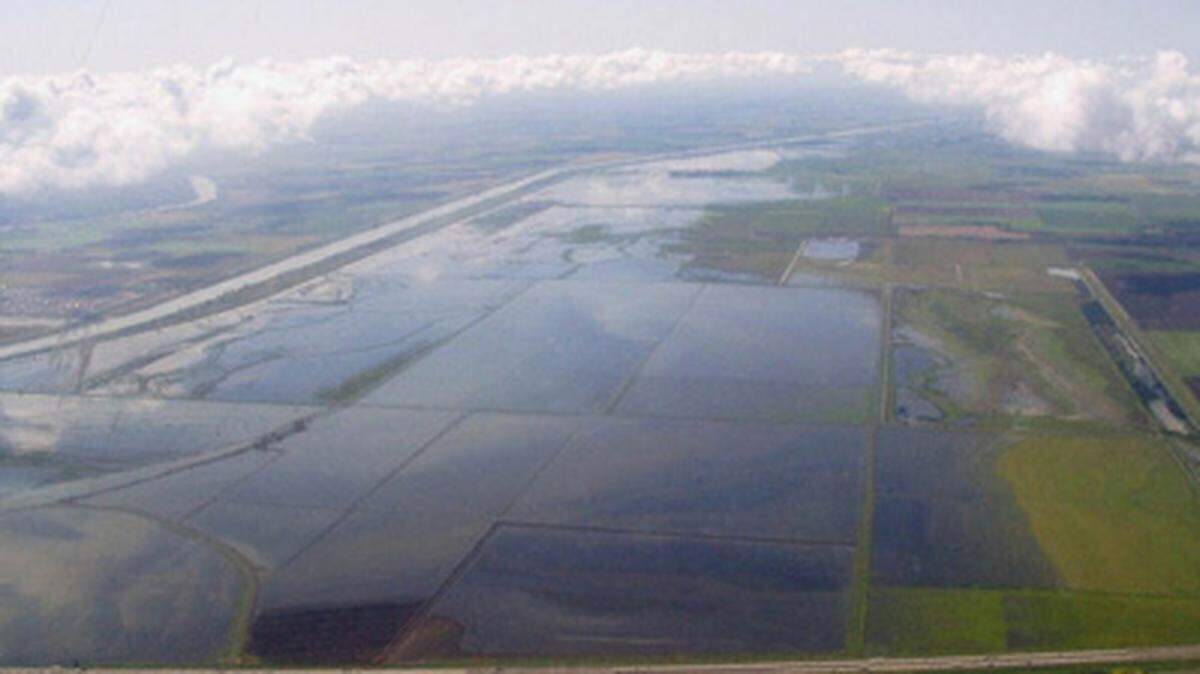
Last Wednesday Westlands Water District and the California Department of Water Resources (DWR) announced the completion of the Lower Yolo Restoration (LYR) Project. The project was constructed on property in the Sacramento-San Joaquin Delta purchased by Westlands in 2007, and restored 1,764 acres of tidal marsh habitat for the benefit of at-risk fish species.
Why would a public water agency that exists primarily to serve irrigation water to farmers on the westside of Fresno and Kings counties undertake an ecosystem restoration project in the Delta?
Westlands is one of numerous public agencies, from Tracy to San Diego, that depend on water supplied by the Central Valley Project and California State Water Project, These projects utilize the Delta to convey water captured in areas north of the Delta to meet the water supply needs of more than 27 million Californians and more than 1.7 million acres of highly productive irrigated lands south of the Delta.
However, over the last three decades the water supply reliability of the projects has steadily declined because of restrictions placed on their operations, particularly in the Delta, to protect at-risk fish species.
Many factors limit fish populations — not only the projects’ operations, but also loss of habitat, insufficient food availability, discharge of pollutants and invasive species. For decades the primary focus of actions to reverse the decline of at-risk species has been ever-increasing restrictions on project operations. Not only has this had negative impacts on farmers and farming communities, it has also failed to improve outcomes for fish.
In 2015, the state launched EcoRestore, an initiative to restore and enhance 30,000 acres of habitat, primarily in the Delta. EcoRestore is intended to address the numerous factors that limit species abundance and to promote water supply reliability for California. As part of EcoRestore, the Lower Yolo project will enhance regional food web productivity to support the recovery of Delta smelt and Chinook salmon, provide spawning habitat for Delta smelt and other pelagic fish species, and provide rearing habitat for out-migrating salmon.
Its completion is the product of collaboration among numerous agencies, including Westlands, DWR, Department of Fish and Wildlife, Bureau of Reclamation, Fish and Wildlife Service, National Marine Fisheries Service, and other public water agencies, and its completion will contribute to a more functional, ecosystem approach to recovering at-risk species.
Westlands has a history of investing in habitat restoration. In 2011, Westlands, along with Metropolitan Water District of Southern California and Valley Water, provided funds to purchase property in Suisun Marsh for the Tule Red Restoration Project. That project opened more than 400 acres of wetlands to daily tides to benefit at-risk species. As part of the Sacramento Valley Salmon Recovery Program, Westlands has worked with other water agencies and Sacramento Valley farmers to explore creative ways to spread water across agricultural lands for fish propagation and fish food production in the traditional floodplain.
Westlands has long believed that until populations of at-risk species begin to recover, the region’s water supply will continue to be at risk. Westlands has also long believed that restoration of its water supplies, and water supplies for nearly every region of California, requires that all factors limiting the abundance of at-risk species be addressed.
The recovery of at-risk species will not occur overnight, but rather will take a long-term commitment toward implementing a mosaic of actions. Completion of the Lower Yolo project is just one step on a long journey to recover at-risk species and to protect and restore our water supply. In the long-term, this project will benefit the farmers served by Westlands. Indeed, the project will benefit the entire state, and its completion demonstrates the importance of collaboration when it comes to water management.