
Dedication of Lady Liberty recalls when women could not vote in the United States
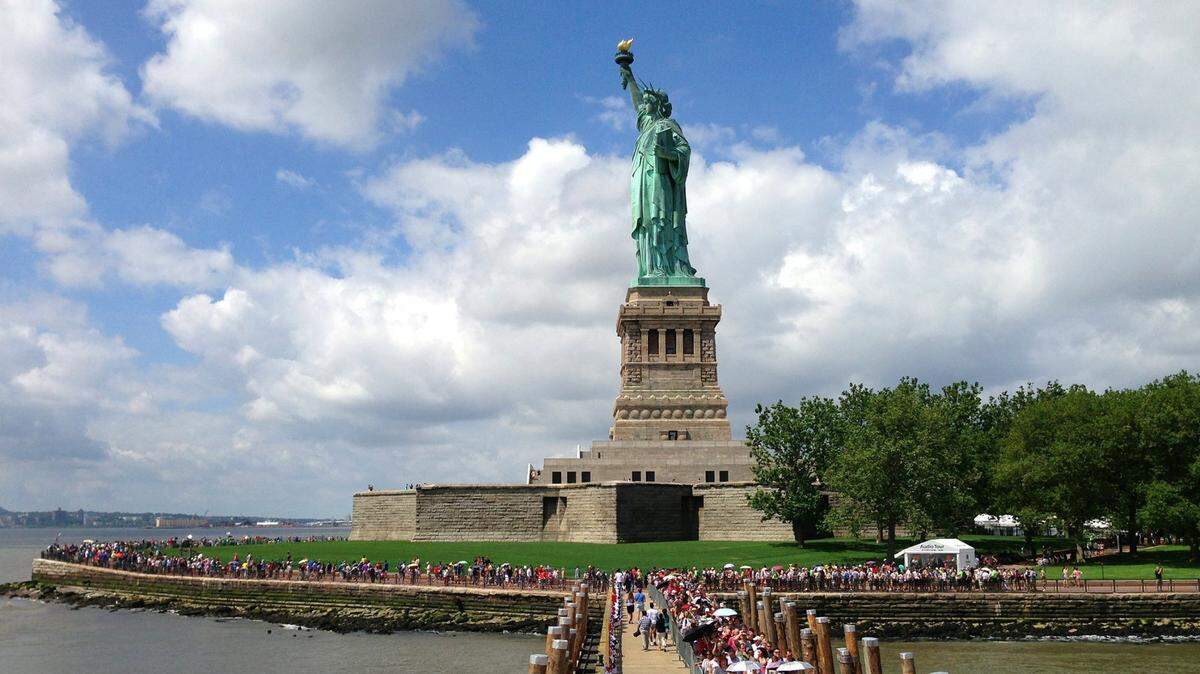
Oct. 28 marks the 134th anniversary of the dedication of the Statue of Liberty. This gift from France to the United States celebrated more than a century of friendship between the two nations. In 1886, women’s rights activists staged a protest on the day of its dedication.
Why would anyone protest that beautiful statue? Suffragists thought it wrong for Liberty to be portrayed as a woman when women could not even vote in the United States. Lillie Devereux Blake, president of the New York State Woman Suffrage Association, asked to speak at the dedication ceremony on behalf of women, who were, after all, one-half the country’s population. “No,” came the answer from the men in charge. No women would be allowed to speak. No women would be allowed on the island where the statue stood.
Undeterred, Lillie applied to sail in the naval parade that was to be part of the day’s festivities, and, surprisingly, that request was granted. Then, all her organization needed was a boat. The only one they could find, or afford to rent, for $100 a day, was a double-decker cattle barge. The captain promised he would have it scoured before turning it over to the suffragists, but he did not keep his word.
On that cold, rainy morning, some women, overcome by the stench, refused to board. But 225 people struggled onto the slippery decks, some holding their noses. The boat sailed into New York Harbor as its passengers yelled slogans through a megaphone: “Votes for women!” and “Equal rights now.”
Some people clapped and cheered them on as they passed, but others shouted insults like “Man-haters!” and “Home-wreckers!” Some even advised that if they did not like it here in the United States, they should go somewhere else.
The women were thrilled when their protest made the front page of The New York Times. It took 34 more years of protests, slogans, petitions, and marches until the Twentieth Amendment to the Constitution was ratified, giving women the right to vote.
This year we are celebrating the centennial of that amendment, but the truth is, even in 1920, many women still lacked voting rights. Some Native Americans could not vote until the 1950s. It took the Civil Rights Movement of the 1960s to enfranchise many African-Americans; Black women had been deliberately excluded by some white leaders from the earlier battle for women’s rights.
So our national progress has been slow and painful. There is much work to be done on issues that continue from the 1800s: we still don’t have an Equal Rights Amendment. Women still earn less than men for doing the same work. And women still lack the right to control their own bodies. And that’s just in the United States. In other countries, women face imprisonment, even death, for wanting basic rights like freedom of movement and the chance to get an education.
New efforts provide hope: the #MeToo struggle for women’s rights, the “Own Voices” movement in literature and publishing, and, most recently, Black Lives Matter and the fight against white supremacy. In many parts of the world, people are marching and demonstrating to demand equal rights for all. Lady Liberty stands in a country where protesters can and do change history, and by serving as her voice, you, too, can help.