
Fresno can rise up to help its immigrants, even as the federal government falls short
In recent years, as I’ve watched California cities like Los Angeles and San Jose work to integrate immigrant residents into city planning, I’ve felt increasing urgency that Fresno do the same.
Around 212,000 immigrants reside in the Fresno metro area, comprising 21.4 percent of the total population. They pay $1.2 billion in taxes and hold $3.9 billion in spending power. Over 11,000 are entrepreneurs who have started businesses, at a rate that is 11.9 percent higher than native-born residents. Still, recent federal policies and the pandemic have hurt many of our foreign-born residents. If we are serious about making Fresno a welcoming and supportive city for all residents, we must face these challenges head-on.
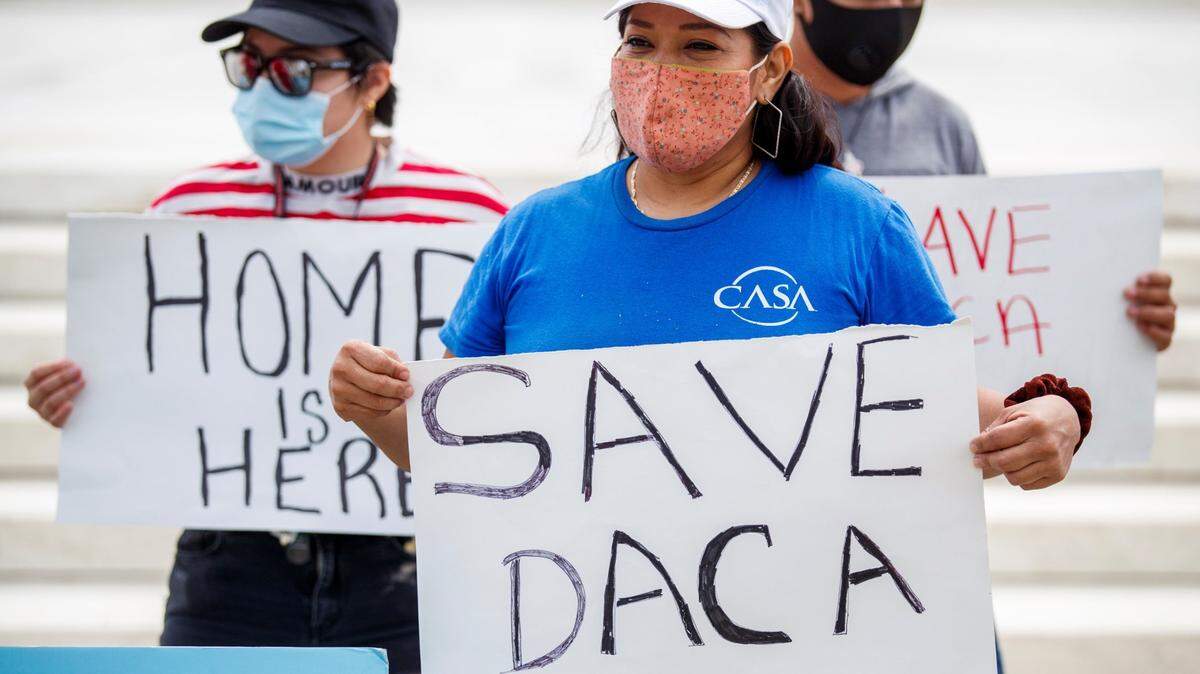
It won’t be easy. In recent years, families have been separated. DACA is continually under attack. The security and status afforded by having Temporary Protected Status (TPS) is being dismantled and could cause hundreds of thousands to be deported.
The pandemic has also disproportionately hurt communities of color, especially Fresno’s Latino community. Access to health care has been difficult and could become more so without Justice Ruth Bader Ginsberg protecting the Affordable Care Act. Further, we’ve seen far too many cases of notario fraud, or immigration lawyers taking advantage of vulnerable clients seeking help.
The good news is that we’ve taken important steps to support immigrant communities through these difficult times. Establishing an office of immigrant affairs has helped to achieve positive outcomes for both immigrants and Americans in cities like Atlanta, Chicago, Denver and New York. Last February, we moved in the same direction when the city’s first-ever majority Latino City Council created an Immigrant Affairs Committee (IAC) — a non-partisan, 15-member body that advises the city on how best to integrate and work with immigrant communities. Our members come from across the political spectrum, including the conservative talk radio host Guillermo Moreno and America Hernandez, a DACA recipient and social services coordinator who works with unaccompanied children.
During the pandemic, the committee has been holding public Zoom meetings that can be watched online. We’re planning to distribute a flier in city water bills that explains “notario” fraud in Spanish. And we’re also advising the city about the approaches we’d like to see from our next police chief, including best practices for working in and collaborating with immigrant communities. Committee members via their nonprofits are providing citizenship application assistance to help the 60,000 legal permanent residents in Fresno County become naturalized. This would bolster the economy at large, since naturalized citizens are able to increase their earnings by 8% to 11%.
But there is so much more we need to tackle. Specific things should be improved. Fresno ranked 33rd on New American Economy’s annual Cities Index survey, which assesses how America’s biggest cities include and integrate immigrants. We must provide immigrants new pathways to be civically engaged and economically prosperous. We also fell short in the category of “government leadership” — but our new Immigrant Affairs Committee will almost certainly help change that.
Of course, we are constrained to a certain extent by the federal government. There’s only so much we can do to help our county’s 39,000 DACA (Deferred Action of Childhood Arrivals) recipients remain here. But since we know how very much they contribute, especially as essential workers in the pandemic, we can take steps to ease their anxiety by providing legal services, COVID-19 education, assistance with rental housing and finances, and educational opportunities.
The fact is, no matter what’s happening in Washington — or perhaps because of what’s happening in Washington — people trust their local governments to provide accurate information, access to resources and policies designed in their best interests. That’s a tremendous responsibility for Fresno to shoulder, but it’s one the city must embrace for our immigrant communities and for all our residents. These turbulent times have been a wake-up call for so many of us. Finally, we’re putting in the work.