
Medicare cuts will limit care in rural communities, make it hard to get services
A key problem of the American health care system is medical care is not evenly distributed, especially when it comes to access to quality care in rural and under-served areas. Unfortunately, the federal government is set to make this problem even worse with ill-advised cuts to Medicare payments.
I grew up in small town in east Texas and remember my grandmother having to travel two hours each way to see a heart specialist in Dallas. It was difficult for my family, who had to take non-paid time away from work, to drive her there. After her re-do cardiac surgery, care in Dallas was her only option.
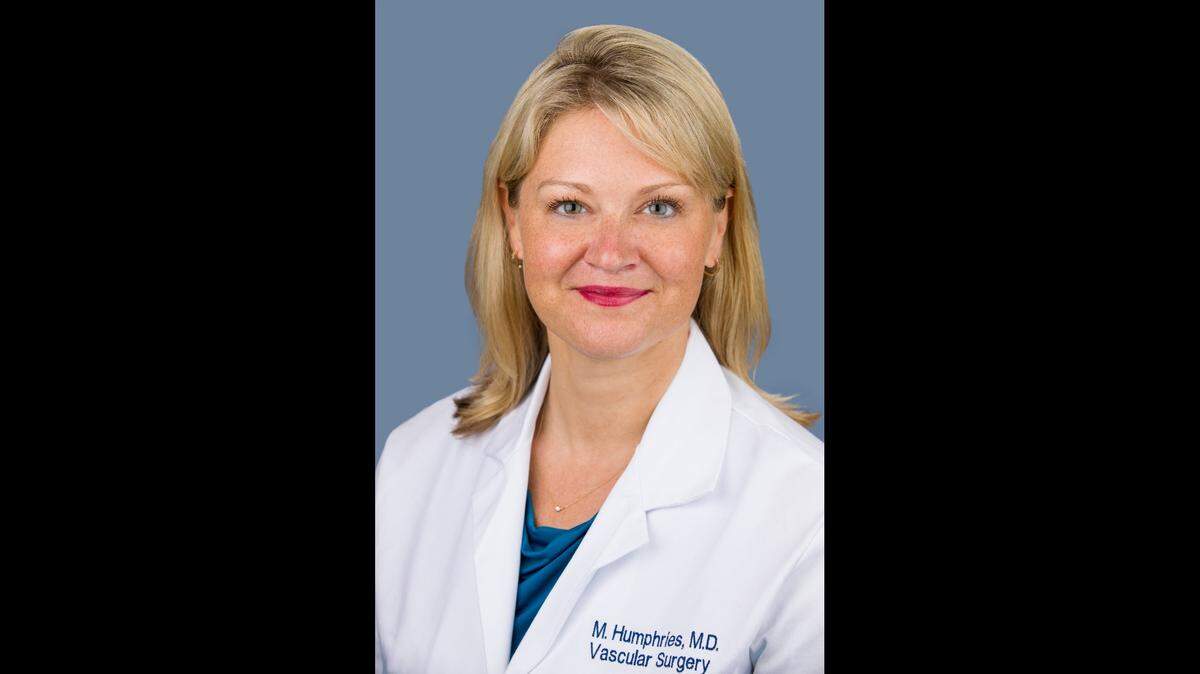
Today, I am a vascular surgeon in Sacramento, serving patients from across the Central Valley. This is an area with significant gaps in coverage, which I call vascular deserts. There is not a board-certified vascular surgeon in practice in any of the communities between Fresno and Stockton, a distance of more than 120 miles.
The lone vascular surgeon in Sonora just closed her practice. Her former patients now drive more than three hours to be treated at UC Davis Medical Center. The situation is even worse on the eastern side of the Sierra Nevada. I serve patients in Lone Pine, just east of Mount Whitney, who drive more than six hours through mountain passes that are closed much of the winter to see a vascular surgeon.
Unfortunately, the Centers for Medicare & Medicaid Services (CMS) is making changes that will
increase the size of these vascular deserts. Under a new rule change announced on Aug. 4, CMS is set to cut payments for vascular surgeons by 7%, with other specialists seeing even deeper cuts. CMS proposed these cuts before COVID-19 hit, and they were bad policy then. Going ahead with them now, when surgeons and other doctors are struggling to provide care in the midst of a pandemic, constitutes public health malpractice.
The reality is that many private practice surgeons operate with high overhead and low margins, especially those operating in low-resource areas with lots of Medicare patients. According to a nationwide survey by the Surgical Care Coalition, one-in-three private practice surgeons are already thinking about shutting their doors due to financial pressures. Surgeons in more small towns will close up shop, expanding the size of the vascular deserts.
Technology and telemedicine can help bridge some of these gaps, and the CMS rule change does include laudable steps forward in support for telemedicine. But a positive move on telehealth doesn’t make up for dangerous cuts in surgical care that will hurt patients. At a certain point, a patient needs to be in the same room as their surgeon, and unfortunately the new rules will make it more difficult for patients in California to have timely access to quality care. For vascular surgeons, the longer that patients defer care, the worse and more irreversible their condition will become.
Vascular patients are overwhelmingly elderly, further complicating mobility challenges if they are required to travel hours to see a doctor. For those who don’t have the ability to easily travel long distances, this often means putting off care. This leads to worse outcomes when conditions that could have been treated early with mild interventions are allowed to fester, causing irreversible damage.
There is still a limited window to stop this from happening. Californians need to contact their representatives in Congress and urge them to preserve access to patient care by waiving budget neutrality requirements. Our region is already facing enough challenges right now. We don’t need to make it worse by taking away access to quality care from those who can least afford to lose it.