
Going beyond kneeling: Valley doctors take a stand against racism in health care
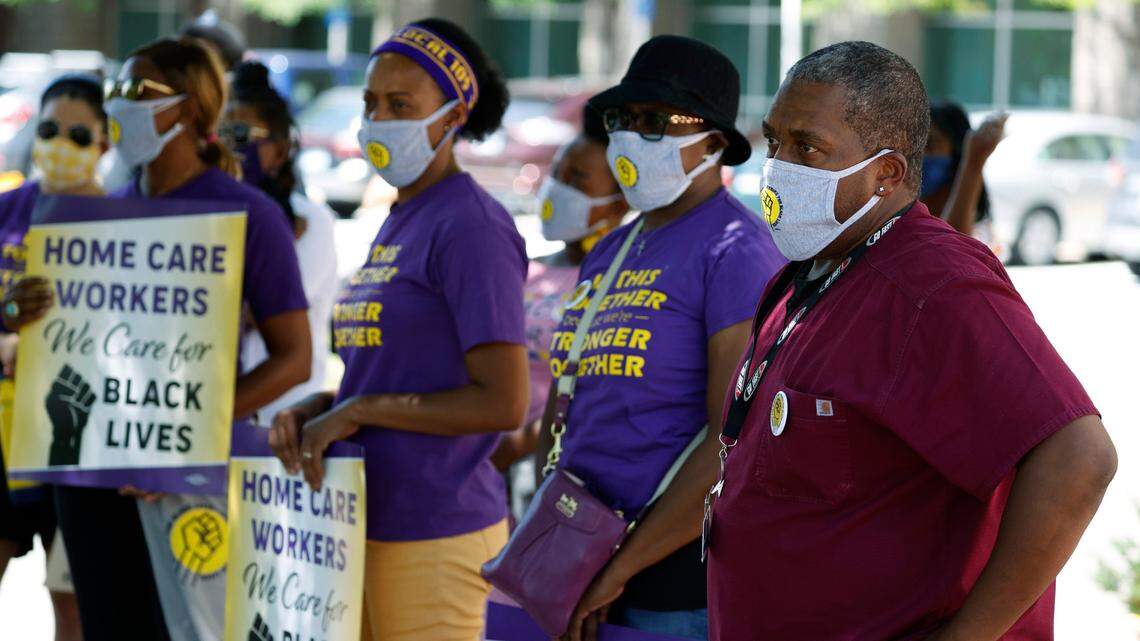
The murder of George Floyd catalyzed protests across the country and a national reckoning with systemic racism in the United States. Health-care organizations, including the American Medical Association, American Nurses Association, and American Hospital Association have joined the conversation and issued statements condemning racism and violence against the Black community.
On social media, images once trended of physicians kneeling for an uncomfortable 8 minutes and 46 seconds. But true solidarity requires words to become action. We, and more than 280 of our health-care colleagues across the Central Valley, share a conviction that Black lives and Black health more than matter. Together, we pledge to do the work that must be done to create a more racially just health care system.
Black women are 2.5 times more likely to die from pregnancy-related complications than white women. Black infant mortality is almost 2.5 times higher than white infants. Black Americans have higher rates of diabetes, obesity, and death from heart disease, asthma, breast, cervical, stomach and pancreatic cancers. Even COVID-19-related mortality is 2.3 times higher in Black Americans, and among those aged 35-44, an astonishing 9 times greater.
These poorer health outcomes are not due to genetic difference, but rather correlate with less access to quality care, disease diagnosed at more advanced stage, and disparities linked to lower socioeconomic status. Such social determinants of health emanate from a system that supports red-lining and intentional segregation of Black Americans into communities with poorer air quality, toxic water, limited food choices, lower-quality education, and fewer economic opportunities. These issues cannot be addressed by medical care alone, but this does not absolve our responsibility to evaluate what we could be doing better.
Black Americans comprise 13% of the U.S. population but make up only 4% of practicing physicians, 3.6% of physician assistants, and 9.9% of registered nurses. We cannot build trust in a medical system with its own long history of discrimination, racial stereotyping, and documented abuse of Black bodies without creating greater concordance between providers and the communities we serve. We must scrutinize our institutions and determine whether our recruitment, training, and advancement practices truly reflect our stated commitment to diversity in medicine. The numbers suggest otherwise.
We must reform a medical education system financially prohibitive to so many, particularly under-represented students of color. We must go beyond implicit bias training and work to create an anti-racist culture in our health-care system. Finally, we must have our own reckoning with a primary reason so many Black Americans lack access to quality medical care.
The Affordable Care Act (ACA) decreased the percentage of uninsured Black Americans but did not close the gap between Blacks and whites. The combined numbers of uninsured and underinsured Black and Latinx Americans eclipse that of the white population.
For those with private health insurance, high premiums and deductibles discourage use of health care services and disproportionately limit access to care. Patients with Medicaid are obliged to remain impoverished to maintain coverage.
Just as millions decry the promises, compromises, and incremental reforms that have failed to eliminate the unjust treatment of Black Americans by the criminal justice system, we are obligated to evaluate whether promises, compromises, and incremental health care reforms have done enough to eliminate racial inequality in access to medical care.
Now is the time for us to re-imagine and transform our fragmented, multi-tiered, racially unjust health care system into an equitable system that guarantees universal and equal access to medical care for all Americans. If we do not, then we must ask ourselves who is the “other” that we feel comfortable excluding from high quality medical care? Which are the lives that do not matter as much? History and statistics give the honest answer to that question, and the answer should make us uncomfortable for longer than 8 minutes and 46 seconds.
This story was originally published August 12, 2020 at 11:13 AM.