
This Juneteenth, Fresno Black leader celebrates legacy of family’s activism, pride
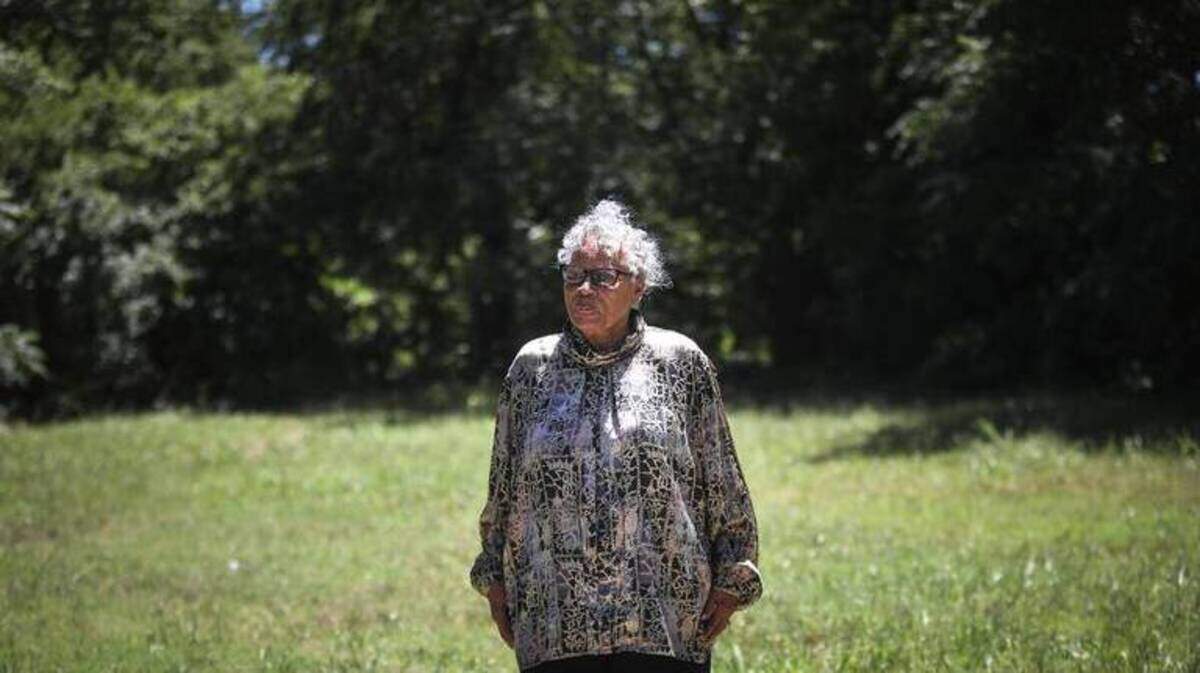
On June 19th, 1939 a white mob burned down the new home of my cousin Opal Lee in Fort Worth, Texas. Three-quarters of a century after the signing of the Emancipation Proclamation, folks of Black African heritage in the United States of America were still experiencing domestic terrorism.
Cousin Opal Lee was 12 years old the day 500 citizens terrorized them because they were pursing the American dream of home ownership. Today, at age 93, cousin Opal Lee, still living in Fort Worth, works tirelessly to convince legislators and anyone who will listen to make Juneteenth a national holiday.
This Juneteenth 2020, after reading an article in the Fort Worth Star-Telegram on my cousin, I find myself reflecting on my family, my upbringing, my Southern roots and the roles all of that plays into who I and how I operate in this world.
I am a descendant of kidnapped and enslaved Africans. My parents were both born and raised in the South. I did not grow up celebrating Juneteenth in the San Fernando Valley neighborhood where I was born and raised. My father left the South, where Juneteenth has been widely celebrated since 1865, because he knew he could not reach his full potential there.
Daddy once told me the story of what led to his escape from the South. My parents were living in Warren, Arkansas. There, the primary work for African American men was at the saw mill. During his time working at the mill, my father made a radical decision. As a man who understood his worth, he decided that if he was to be addressed as “boy” and not “sir” then he would not address the white men as “sir”. My dad said as much when the foreman insisted that he address him as sir and, of course, he was fired. The foreman spread the word that no one should hire that uppity …
My father was married and had three children at the time. He knew he had to work. One day he was walking in the community looking for work. A “big wig” from the mill saw him and, not knowing his story, asked him if he wanted some work. My dad jumped at the chance and the man instructed him to milk his cow.
My dad with, his strong work ethic, milked the cow, cleaned out the barn and did any other task he saw needed to be done around the yard. The owner said to him, “You’re a good worker. Do you want a job?” Of course my dad said yes. He was told to go down to the saw mill and tell the foreman the “big wig” said to give him a job. The foreman was forced to rehire my dad. After hearing the story, I asked, “Daddy, did you start saying ‘sir’”? He gave a wry laugh and said, “You know I did.” But that, he explained was when he know he had to leave the South.
My dad did reach his potential. This is evidenced by the Pacoima elementary school that bears his name. Those that know me will see my father in the work I do around diversity, inclusion and social justice. You will also see my mother in the style I use in doing that work.
I tell this story today with a keen awareness that Black men and women have been killed for less than what my father did in refusing to answer to “boy” and insisting on being treated with equal respect. I tell that story with a keen awareness that given a definition of terrorism as “to destroy the public’s sense of security in the places most familiar” that many people of color today feel terrorized by the legal system in their own communities.
On June 19, 1865, when Union Gen. Gordon Granger read the contents of General Order No. 3 informing the people of Texas that the slaves were free, the Emancipation Proclamation had been in effect for over two years. I find it instructive that a part of that general order read, “The freedmen are advised to remain quietly at their present homes and work for wages.”
This Juneteenth, the descendants of kidnapped and enslaved Africans are not “remaining quietly in their present homes.” This Juneteenth people of color and their white allies are building on a legacy of individual and community acts of resistance and taking to the streets and to social media to demand justice long denied. This Juneteenth, I hope, will be a turning point, for our country’s declaration “that all men are created equal” from being simply rhetoric to being intentional practice.
Dr. Francine L. Oputa is a diversity and inclusion consultant and the director of the Cross Cultural and Gender Center at Fresno State. Contact her at TheDrFrancine@gmail.com.
This story was originally published June 19, 2020 at 5:00 AM.