
California’s small farmers are falling through the cracks of COVID-19 federal aid
The U.S. Department of Food and Agriculture has released the single largest payment program for farmers in American history. The $16 billion “Coronavirus Food Assistance Program” (CFAP) was announced as a significant investment in the country’s farmers who have been significantly impacted by shuttered restaurants, closed farmers markets, distribution problems and other disrupted markets. And yet most California small and historically underserved farmers — who grow a wide variety of fruit, vegetable, and nut crops — will be lucky if they see a penny of it.
More than 80% of California farms operate on less than 180 acres and nearly three-fourths operate on less than $100,000 in annual sales. These very small operations get by on small margins. The pandemic has wreaked havoc on these growers with one recent survey suggesting that nearly one-third of farmers will go bankrupt before year’s end.
The new CFAP program is both flawed by design and ill-suited to meet the needs of our farmers. As structured, the program primarily benefits farmers with large operations, with multiple staff, and existing relationships and experience working with USDA’s Farm Service Agency (FSA). When Congress created the program as part of the CARES Act, direct financial relief was meant to support small farmers and local food systems. Yet there’s little evidence the program as USDA is now implementing it will accomplish that key objective.
Though California growers come from a wide range of ethnic, cultural, and generational backgrounds, the program fails to ensure that county-level FSA offices have the capacity to meet the needs of farmers that speak English as a second language, or have less access to broadband and comfort with technology. Particularly with the FSA’s physical offices closed, it’s even harder for them to serve farmers who are being asked to fill out multiple forms, produce extensive historical documentation, and submit complicated spreadsheets demonstrating losses.
Some farmers may turn to local organizations like ours to ask for assistance, and already have, and we are doing our best to support their needs. Since March, we have been urging state leaders in Sacramento to launch a California Farm Crisis Initiative to help support small farmers with technical assistance block grants to local providers to enhance their capacity to work one-on-one with farmers to access state and federal stimulus and relief resources.
Without such help, most small farmers won’t even make an attempt at federal relief. USDA’s program, for example, ignores what crops are grown in California. While many crops are listed, others are missing. Bok choy and daikon are nowhere to be found on the USDA list. And yet these are mainstay crops of some growers. Farmers can petition for inclusion, but for first-come, first-serve support like this, it’s unclear anything will be left by the time such decisions get made.
For those farmers able to navigate the labyrinth of paperwork and receipts, the federal reimbursement rates are too low. The program is built to reward high volume producers, not those experiencing significant hardship or loss. One penny per pound for cabbage? That’s laughable. A grower we heard from did some back-of-the envelope calculations and expects he’d get only $800 in recovery for an entire field of lost lettuce. The hours spent to prepare paperwork and file aren’t worth it.
We are putting our money where our mouths are. Community Alliance with Family Farmers created the California Family Farmer Emergency Fund several weeks ago to help fill this gap in state and federal aid. But it’s not nearly enough. We’ve already received more than 300 applications for micro-grants totaling more than $1.3 million in aid. And small nonprofits like us can’t and shouldn’t have to carry the load for much needed public assistance.
State and federal officials should step up and ensure the success of the state’s growers — by working with them to design relief programs that actually work for farmers and their families.
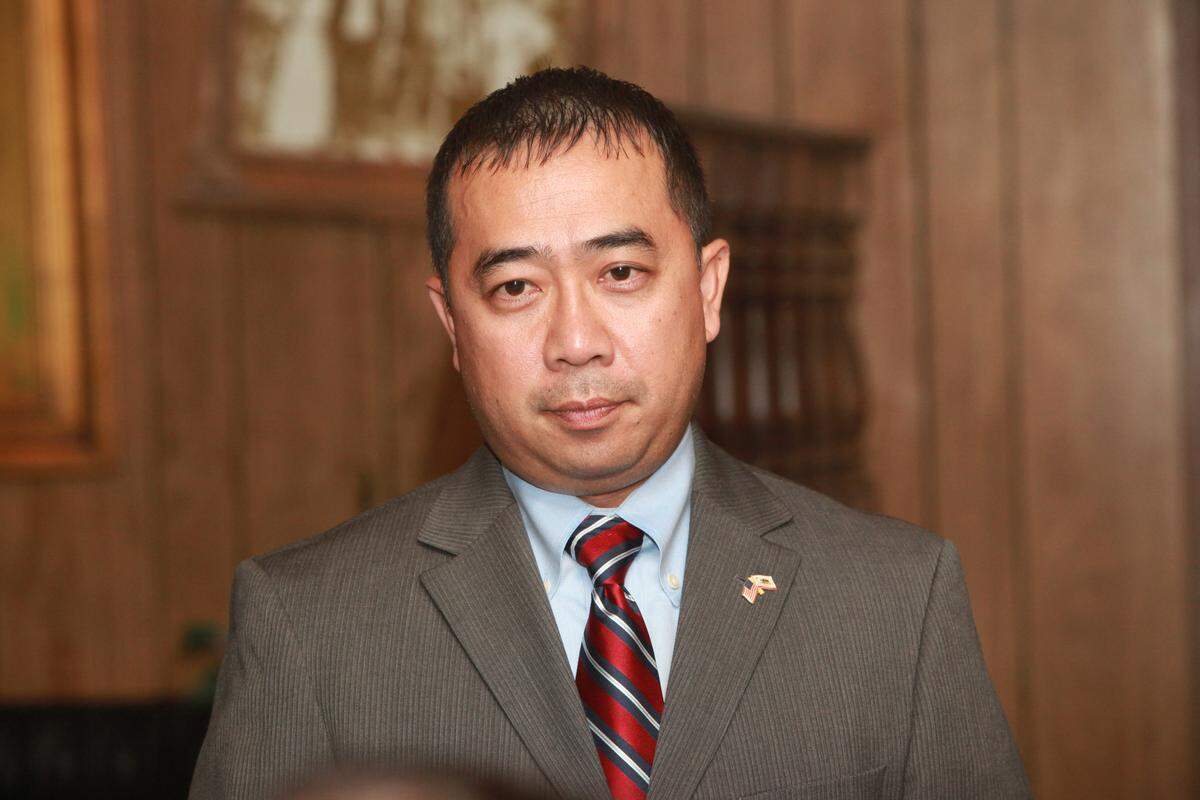
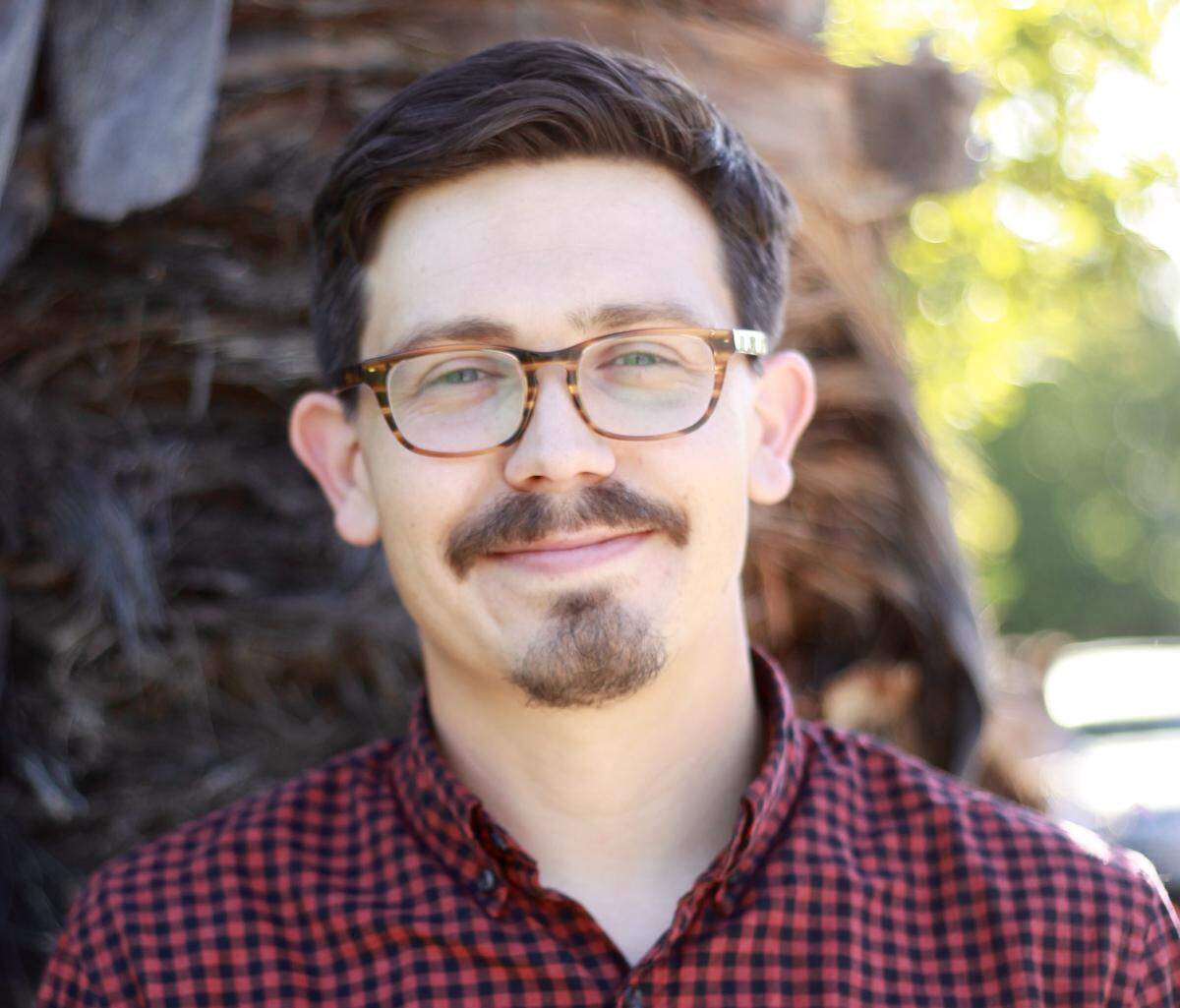
Blong Xiong is the executive director of the Fresno Asian Business Institute and Resource Center. Paul Towers is the executive director of the Community Alliance with Family Farmers.
This story was originally published June 3, 2020 at 12:06 PM.