
Government, citizens have key roles in making sure a free press will have a future
“It was the best of times, it was the worst of times, it was the age of wisdom, it was the age of foolishness, it was the epoch of belief, it was the epoch of incredulity, it was the season of light, it was the season of darkness, it was the spring of hope, it was the winter of despair.”
I’ve always loved the first sentence of “A Tale of Two Cities.” That passage, referring to the vast socioeconomic dichotomies during the French revolution, acknowledges the reality of real-time, radical contrasts.

We live in such a time right now — not of war between social classes, but of battle between information and misinformation.
At a time when uncertainty is at all-time high, the need for reliable, authoritative information is even higher. Rapidly spreading misinformation is pervasive, driven by thirst for any information, conflated with truth, and amplified through social media.
That’s why accurate community journalism — rooted in facts, authenticated, and reported with localized context — is more important than ever.
Yet today, community newspapers face a threat to their existence caused by multiple financial blows and exacerbated by lack of advertising during the COVID-19 crisis. Since 2004, one in five U.S. newspapers has folded. Since January, more than 21 California newspapers have closed their doors, and dozens of community journalists have lost their jobs. Without a lifeline, there will be more closures, more layoffs, and more “news deserts.”
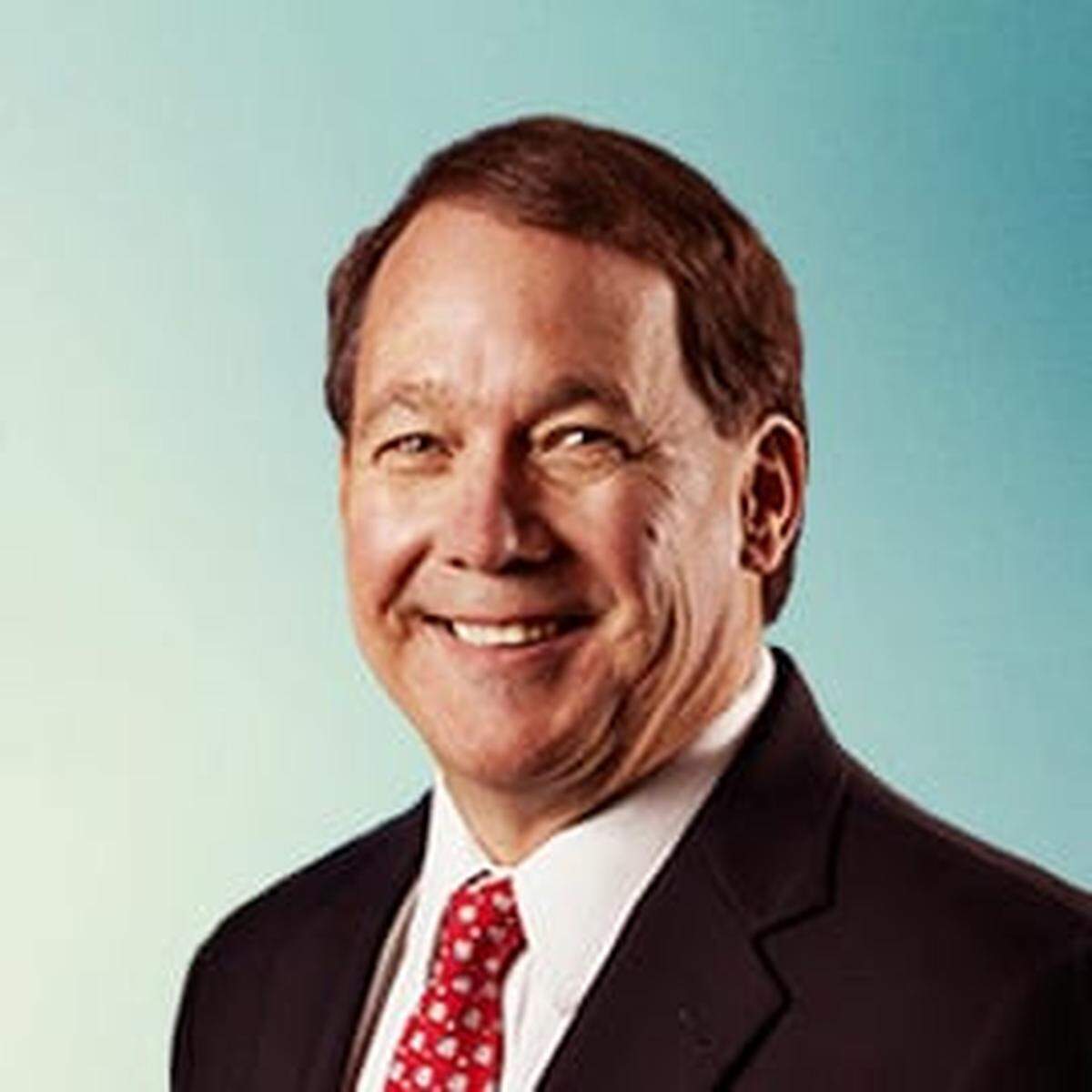
As a former good government advocate and the current head of the Fresno Business Council, I see many parallels between business stewardship and community stewardship, though others may view them as “radical contrasts.” Both business stewards and community stewards achieve unity behind common goals, work in plain view with an eye to transparency and accountability, and have the long-term interests of the community in mind.
In the same vein, newspapers are, or should be, stewards of our communities. Local newspapers should bring us together through shared victories and struggles. Without local investigative watchdogs, policymakers become sitting ducks for single interests that use knowledge, money, numbers, and corruption to advance narrow agendas at the expense of the whole. During the pandemic, newspapers are providing health information to help us keep our families safe, and going forward, they will provide business information that can jump-start our local economies. As we seek information about health and safety, economic recovery funding, local school openings, retail sales, and business re-openings, we turn to newspapers for information.
Conversely, when local newspapers fail to live up to their responsibilities to provide impartial, essential news or fail financially, we are left with diminished access to information that feeds our communities and supports a free democracy. Dangerous misinformation steps in to fill the void by those not committed to the professional ethics of quality journalism.
In this critical hour, it is up to us and our elected representatives to preserve local newspapers as we make our way out of crisis. It’s important to note, we are not blindly endorsing the current state of the media, but rather reminding all of us what is at stake if a free and mission-driven press disappears. We all have an essential role to play.
First, our local newspapers must earn the trust of local citizens through scrupulous adherence to journalistic fairness, balance and integrity.
Second, every local citizen should have a subscription to his/her local newspaper — print, digital, or both. People who read newspapers are better informed, but they also are more likely to be kept informed through accurate — not hysterical, abbreviated or biased — information. In turn, subscribers should be able to deduct the cost of the subscription on their state returns for one year.
In addition, businesses should receive one-year state tax deduction for advertising in daily, weekly and ethnic newspapers. This will allow businesses to market their products and services to support their recovery, while helping the news industry recover from a historic low in advertising.
Finally, policymakers, in recognition of the industry’s essential nature, can provide community newspapers the opportunity to access economic stimulus funding like no-interest and paycheck protection loans to keep their doors open. And newspapers should be permanently exempted from any law that forces carriers to give up their independent contractor status.
Some of what we are proposing is intended to be temporary, to help preserve local journalism during the pandemic. Our free media is in the fight for its life at a time we desperately need newspapers’ voices. To defeat the insidious enemies of misinformation, deception and distortion, we must all join the battle.
Deborah Nankivell, CEO, and Mike Betts, CEO of the Betts Company and president of the Fresno Business Council, a nonprofit organization comprised of leaders from business, education and civic groups striving to improve the quality of life in Fresno and the Central Valley.
This story was originally published May 13, 2020 at 6:00 AM.