
‘The grapes will not wait.’ A field worker shows how health care is not provided equally
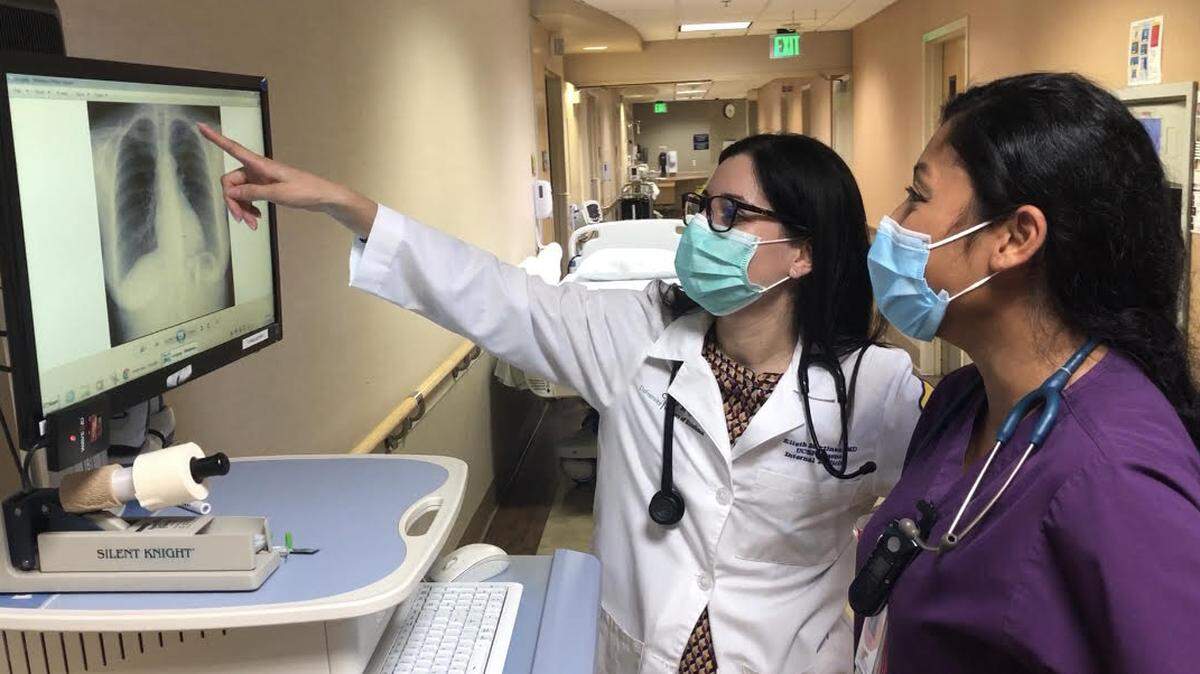
Ms. Hernandez is my 64-year-old patient.
Her body is marked with the vestige of field labor. Her large-joint arthritis, the tenderness to her back muscles, the callous changes to her hands — all resulting from seasonal harvest. But her uncontrolled diabetes and high blood pressure are the result of poor access to care.
The COVID pandemic has shut down hospitals. No visitors. As I enter my patient’s room, she quickly flips her phone off. The phone is a black Samsung with dented corners and edges filled in with soil. “Hola mija,” she greets me. Mija is a term of endearment the majority of my Spanish-speaking patients use. I interpret it as a form of trust.
She was admitted for uncontrolled diabetes and asthma exacerbation. The field dust that aerosolizes as she treks from vine to vine and seeps through her handkerchief mask has progressively worsened her lung function over the years. On a normal day, her risk would only be Valley fever, a fungal disease native to California’s Central Valley soil that primarily infects the lung and occasionally the brain, but now she’s also at risk for COVID. Her handkerchief will not do. It never did.
As a physician, treating diabetes or asthma exacerbations is typically straightforward. Patients often improve within 24 hours. It’s the discharge that is difficult. Even with a coupon, her insulin is $200 a vial. Even with a coupon, her breathing medications are $100 a disk. At this moment, I don’t have the tools to take care of my patients outside of the hospital. I never did.
I pick up her flip phone and together we dial her daughter and update her on the plan. Soon I learn that her home is a rented garage space, that internet connection is kept off to decrease mounting bills, that as soon as she is discharged she has to sleep to prep for tomorrow’s work.
“The grapes will not wait,” she comments.
“The grapes will not wait,” I echo.
Like myself, she is considered essential. We are required to fulfill our responsibility to this pandemic. For her, it is to keep our food-generating pipeline moving; and for me, it is to continue health care delivery. But unlike myself, her language and socioeconomic barriers will continue, exacerbating her medical conditions.
The vast majority of clinics have moved to telemedicine to decrease potential COVID exposure. This is an alternative to coming in to see your doctor face to face, and often requires internet connection and video. As I prepare her discharge instructions and follow-up appointment, I learn that a clinic generates less or no income when a patient is called without a video. I’m also reminded of her camera-less flip phone and mounting utility bills; telemedicine will have to wait.
As the COVID-19 pandemic continues to spread sickness across our nation, it will simultaneously unveil our fragmented and inequitable health care system, starkly juxtaposing those that we have labeled as “essential” but are left without essential healthcare.
As I exit her room, I am reminded that health care is not delivered equally.
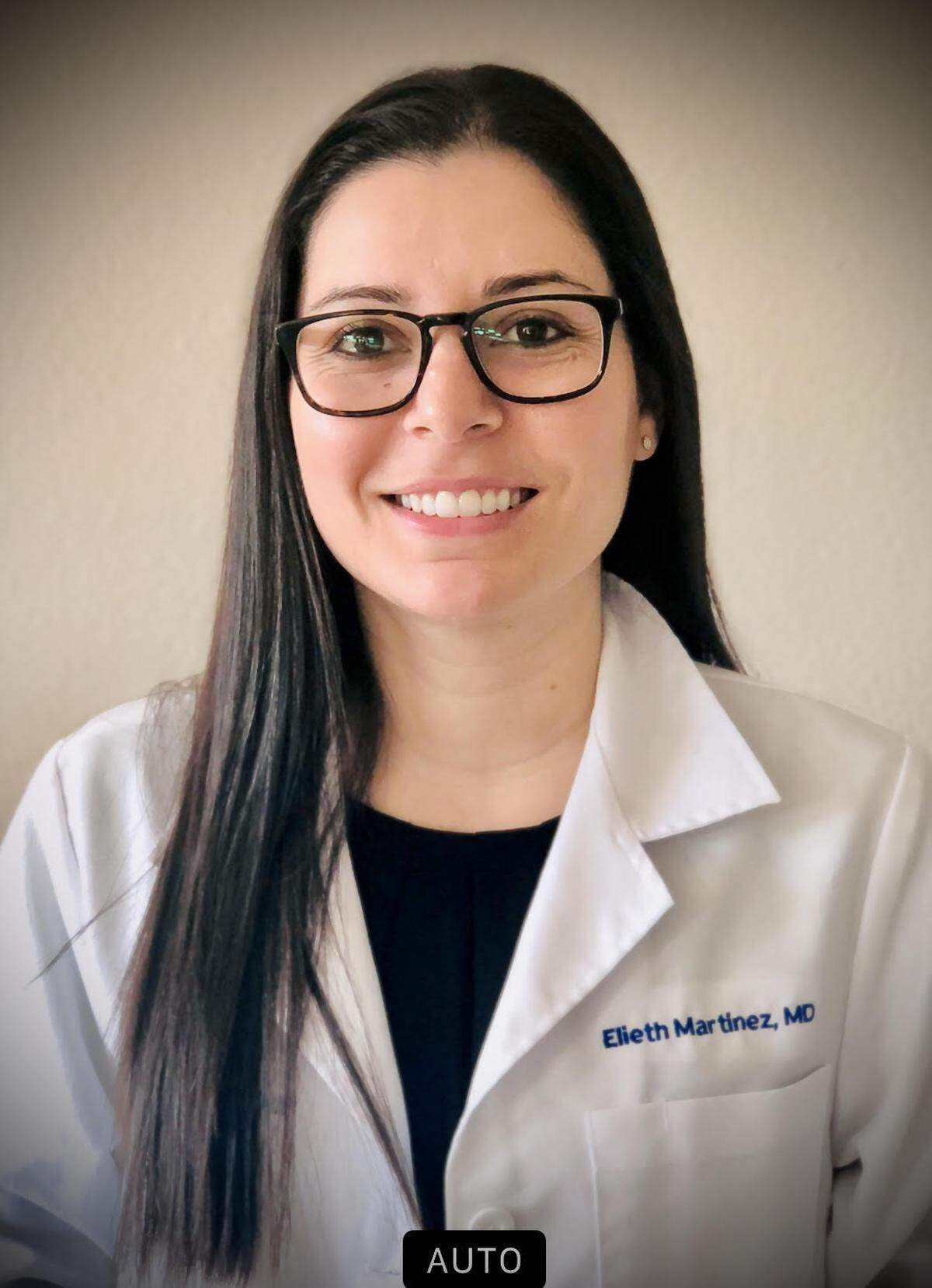
assistant clinical professor, Department of Internal Medicine, UCSF Fresno
This story was originally published May 8, 2020 at 5:00 AM.