
Clovis-based university addressing Valley’s keen need for doctors, health professionals
Despite all the bounty that the Central Valley provides, it’s no secret that the region has long been plagued with a shortage of professional education opportunities, large-scale economic drivers and health-care providers, specifically physicians.
In one of the largest and richest states, Central Valley residents have grown accustomed to diminished access to health care and being labeled a health provider shortage area, medically underserved area, primary care provider shortage area … the list goes on.
By 2030, experts predict we will need 8,800 more physicians to support California. The Central Valley already has the lowest ratio of providers per 100,000 in the state and projections show that by 2035, the population in the Central Valley will increase by 26%, further exacerbating the shortage.
Fortunately, change is underway to address the severe shortage of providers.
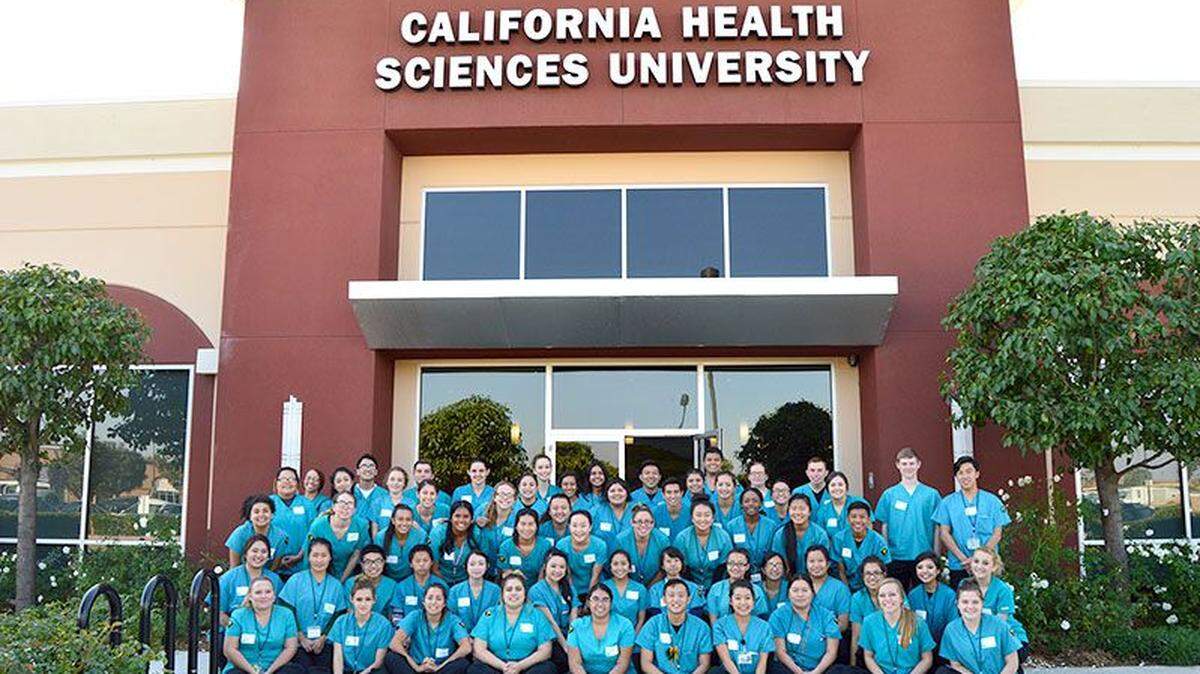
Since its founding in 2012, California Health Sciences University in Clovis has made its mission to improve the health-care outcomes for people living in the Central Valley by educating our future providers.
CHSU made history when it opened the first pharmacy school in the Valley in 2014.
CHSU has since demonstrated that educating students locally is the best way to have them practice in the Central Valley. Sixty percent of the pharmacy students are from the Valley and over 70% of the CHSU graduates report they are practicing pharmacists in our community.
California Health Sciences University is set to make history again when the inaugural class of 75 medical students matriculate on July 21, 2020.
Within two years, the CHSU medical school will grow to 150 students per class and have 600 students in the program at one time.
It is projected that the economic impact of the medical school alone will contribute $56 million per year to Clovis and the region.
The new, three-story College of Osteopathic Medicine and Simulation Center building on CHSU’s campus at 2500 Alluvial Ave. in Clovis includes state-of-the-art technology and was impressively constructed in only 18 months.
Lead by Dr. John Graneto, dean at the CHSU College of Osteopathic Medicine, the CHSU medical school now has over 50 full-time faculty and staff to support the first year of medical students, with more to be hired over the next year. All CHSU faculty are scientists or licensed, practicing physicians and most relocated to our region to practice and teach in the new medical school.
Applications for 2020 enrollment far exceeded expectations. A high percentage of qualified, local students applied and extra consideration was given to applicants from the Central Valley.
California Health Sciences University is the brainchild of the Assemi family, who are community focused and willing to invest in our future health-care providers. They have taken the lead in providing workable solutions for the Central Valley, and I hope others will follow suit and work collaboratively to ensure the physician and health provider shortage projections don’t become a reality.
While serving as pesident of Fresno State for 22 years, I saw first-hand how local educational opportunities improves lives and transforms our community.
Increasing access to post-graduate education, especially for health-care providers, has been my goal and passion since I came to the Central Valley.
It’s gratifying to see California Health Sciences University fast-tracking its growth and trajectory towards becoming a nationally recognized institution and to help remedy this long-standing problem.
I am proud to serve as board chair at California Health Sciences University to help advance the mission to bring more health-care providers to the Valley.