
Spanish flu pandemic of 1918 hit Fresno hard, but social distancing proved valuable
Few, if any of us, have lived through something like this COVID-19 pandemic. Schools closed, restaurants shuttered, people ordered to shelter in place. Each day brings more unsettling news – millions file for unemployment benefits, under-equipped nurses and doctors struggle to keep up as more and more Americans are hospitalized with coronavirus. But these extraordinary developments are not, in fact, unprecedented. We’ve been here before.
A century ago, another deadly virus swept the globe. Businesses were shut down, cities were quarantined and hospitals were overwhelmed. During this 1918-19 pandemic, about one-third of the world’s population was infected by an especially virulent influenza strain that killed 675,000 Americans and at least 50 million people worldwide. And as was the case in nearly every town in the United States, that pandemic had a profound impact in Fresno.
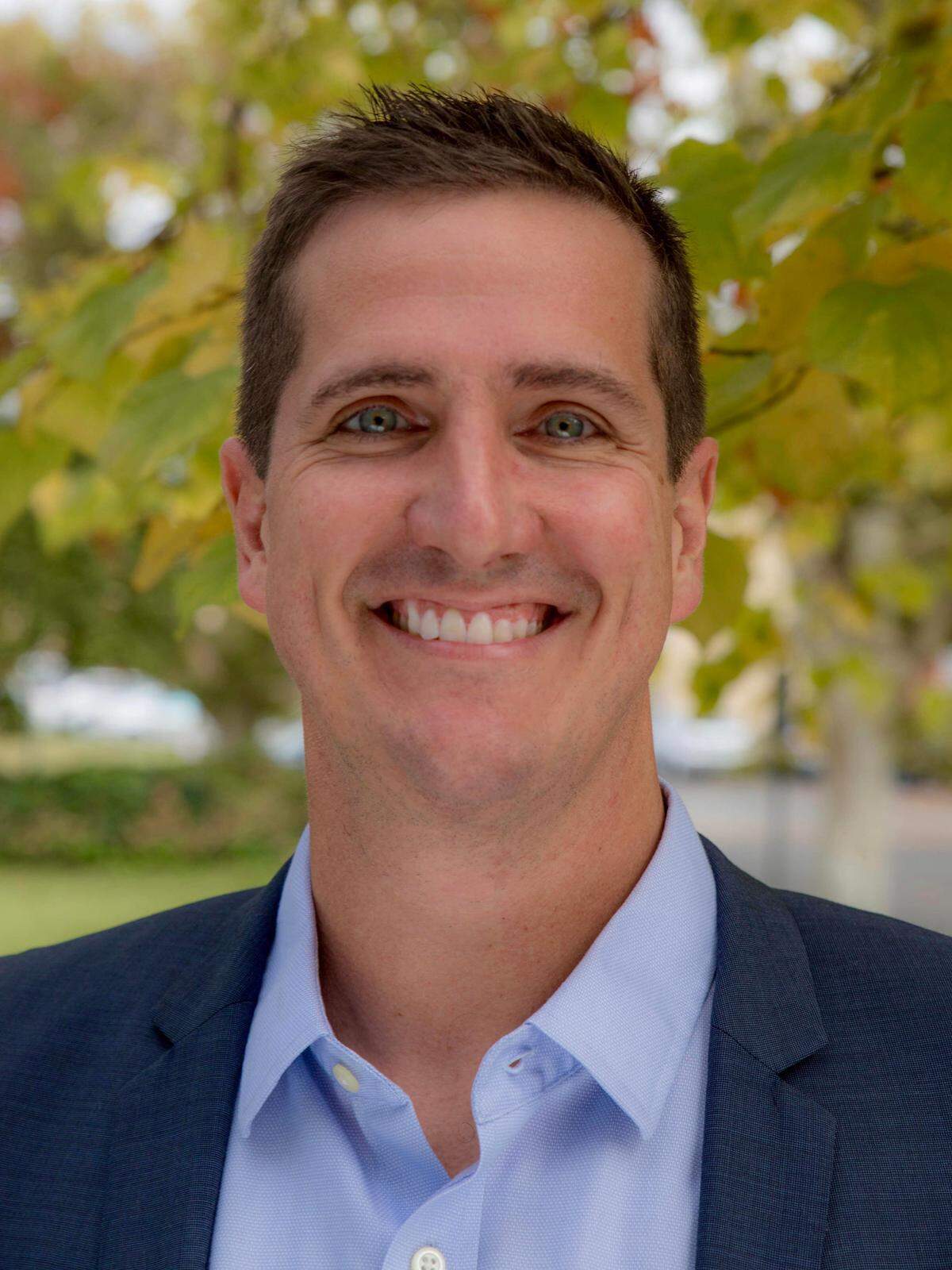
As a professor of history at Fresno State, I often process contemporary events through the past. One of the first things I started thinking about after the university canceled face-to-face classes in mid-March was how our community responded to the last health crisis of this magnitude.
So, I started reading anything I could get my hands on about Fresno’s flu outbreak – issues of the Fresno Morning Republican newspaper, a master’s thesis produced in my department – to try to piece together what happened here in 1918 and 1919. To give readers a sense of how the flu pandemic unfolded locally, I began publishing a series of regular dispatches that follow the outbreak in real time.
Here I’d like to lay out the broader story of Fresno’s flu pandemic and draw several preliminary conclusions about it.
In the beginning
The flu appeared in Fresno in early October 1918. A few weeks later, as cases mounted, city authorities closed schools, theaters, and churches and prohibited indoor public gatherings. They eventually called off Halloween celebrations and mandated that all residents – men, women, and children – wear gauze masks in public, under threat of a fine or jail time. Teachers were instructed to patrol city streets and break up student gatherings.
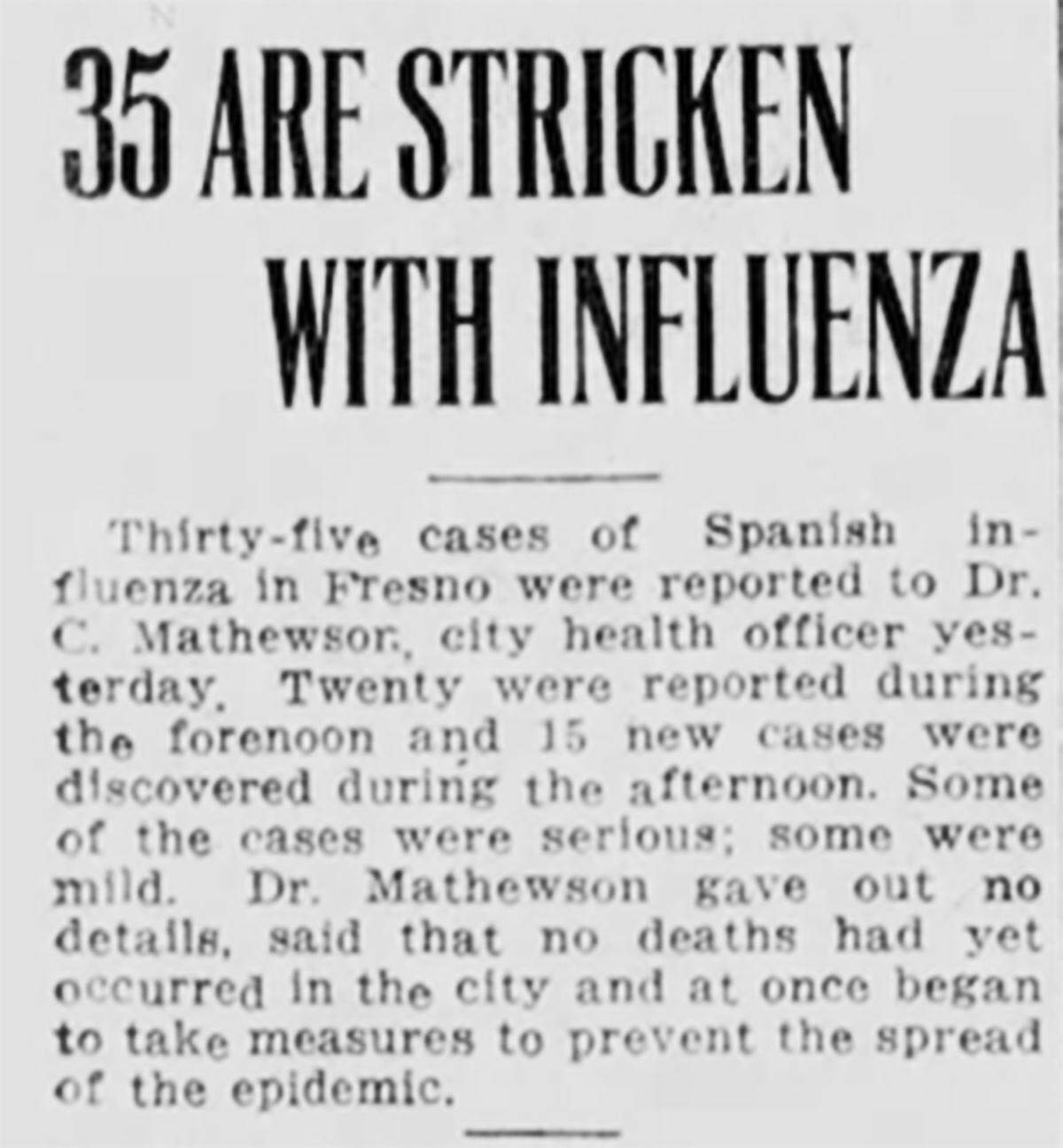
The “flu lid” stayed on until late November, when the “menace” – as one official termed it – waned, leading the city to reopen churches, schools, and public entertainment venues and to lift the mask requirement. On Nov. 24, movie star Fatty Arbuckle came to Fresno to help spread the word that local theaters were again open for business.
Yet a second wave of the flu hit the city in December, prompting another round of emergency measures. The second wave of the virus was not as deadly as the first, but it lasted into February 1919.
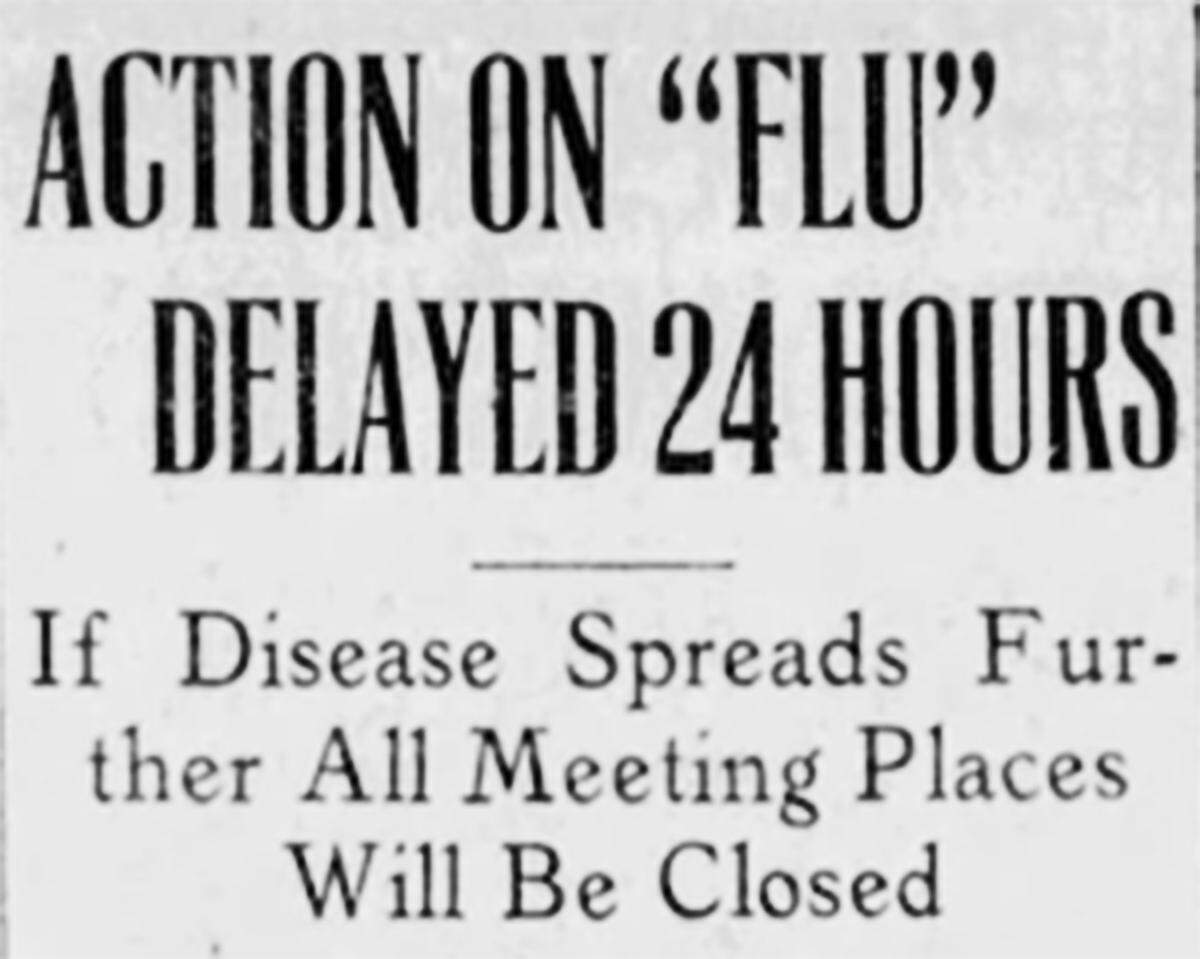
In the end, Fresno was relatively successful in responding to the pandemic. During the fall and winter of 1918-19, 258 of Fresno’s approximately 45,000 residents died from the flu or flu-related pneumonia. The outbreak was less deadly per capita here than it was in most American cities, including Los Angeles and San Francisco. Even so, it exacted a shocking toll. Adjusting for population growth, a virus this lethal would kill roughly 3,000 Fresnans today.
Key lessons
So, what lessons can we learn from the 1918-19 pandemic?
First, early action makes a difference. Fresno reacted fairly swiftly to the appearance of the flu, enacting social distancing measures sooner than many other cities – and its low mortality rate testifies to the wisdom of this approach. Fresno’s response certainly compares favorably to that of Philadelphia, America’s hardest hit city, where authorities downplayed the threat of the virus for weeks – not unlike some elected officials today – and only acted later to implement social distancing policies. (The city had a death toll over 16,000 as a result -- Editor).
Second, while recent protests in Michigan and elsewhere indicate that some Americans are already fed up with emergency measures, we should expect greater resistance as the coronavirus crisis drags on. During the first wave of the 1918-19 pandemic, most Fresnans seem to have followed city regulations, though some flouted the mask rule. During the second wave, however, resistance became more overt. Pool halls and other places of amusement refused to close their doors, and business owners threatened lawsuits unless they were permitted to operate unfettered. Public health officials, meanwhile, increasingly struggled to convince residents to put aside their individual interests for the good of the community.
Third, if the current outbreak stretches into the fall, the United States must make preparations to avoid a significant decline in turnout in the 2020 general election. During the 1918 midterm election, held as the flu pandemic raged, just 64,221 people voted in the race for the congressional seat representing Fresno — a sizable drop from the 78,865 people who had cast a vote in the previous midterm election.
We cannot afford to let the coronavirus keep 20% of Americans from the polls in November. One solution to this problem – and to the tragedy of forcing people to put their lives on the line in order to vote, as happened recently in Wisconsin – is a vote-by-mail system, which five states use exclusively, and which Fresno County rolled out successfully in the March primary.
Finally, perhaps the most important lesson we can learn is that our community – like countless others across the country and beyond – has survived deadly pandemics before. But doing so now, as then, requires personal and collective sacrifice.
This story was originally published April 16, 2020 at 10:42 AM.