
The COVID-19 pandemic has a new victim: undocumented women in abusive relationships
As a community advocate who supports some of the most vulnerable yet hardest-working people in my Central Valley region, I’m finding an almost brutal irony in the use of the term “shelter in place” as a safety strategy for preventing the spread of the coronavirus.
Sheltering in place and social distancing are protective factors for many of us. But for vulnerable immigrant women, it’s exacerbating their insecurity and severing lifelines to help.
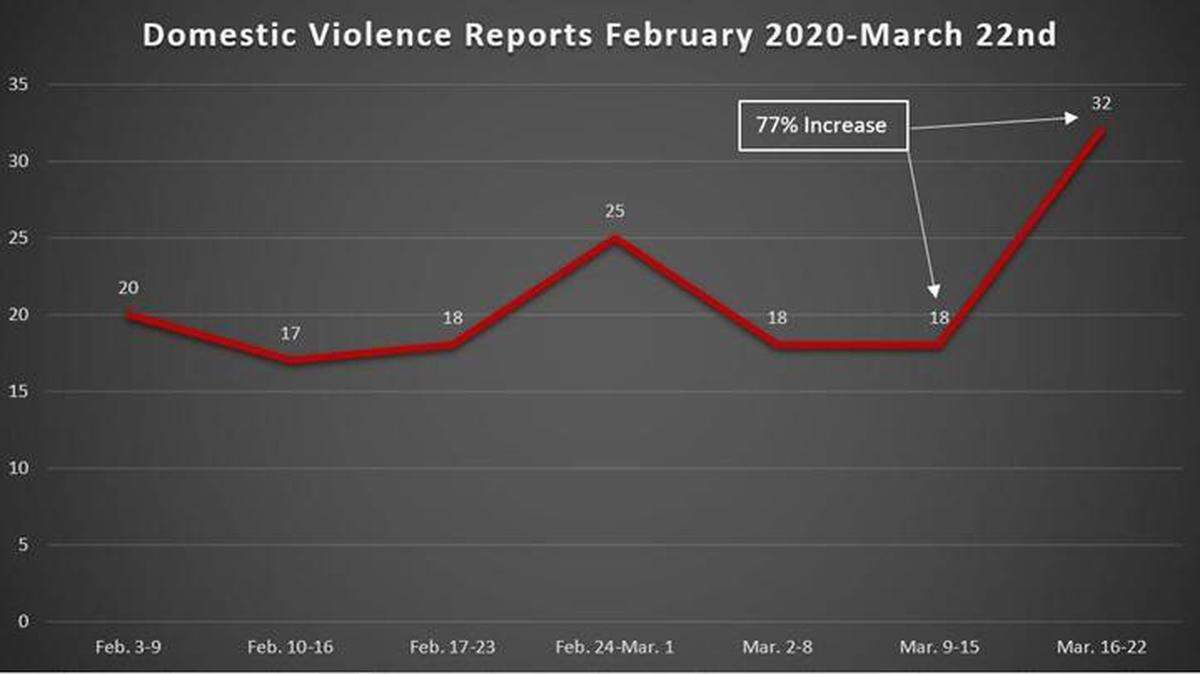
The greatest danger many women are facing right now isn’t infection from COVID-19 — it is harm from their partner. Since the onset of COVID-19 in our community, individuals have lost their wages, their jobs and their definition of “normal life.” Coupled with a growing fear of infection, these stressors are spiking the rate of domestic violence calls in our community.

But while domestic violence hotline calls overall have risen, domestic violence reports among Spanish speakers are significantly down. Community Medical Centers wrote, produced and released a video in Spanish as an outreach effort to Latinas. They are worried that the decrease in calls could mean greater jeopardy for this group of women. The video was created to let Latinas know they are still open and available to help.
It’s important to understand that the vast majority of monolingual, Spanish-speaking Latinas are immigrants. Here’s what we as a community need to know about the domestic violence risk they face. They experience a distinctive set of vulnerabilities to abuse that are often overlooked, and they have no access to many of the solutions available to other women.
For example, their immigration status alone puts them in jeopardy. It affects their ability to access health care, mental health, gainful employment and education. All of these factors reinforce their dependency on others and limit their self-sufficiency. For most women, reporting abuse is part of the solution, but for immigrant women, it could make things worse.
Aside from language challenges, women who have recently immigrated lack the familiarity and trust in available public services. There is also fear about how a report of abuse might affect their chances for residency and future citizenship, especially if obtaining legal status is tied to a partner. There are many other issues, including fears of deportation, which is why many immigrant women suffer in silence.
For too many women, these fears have deepened due to the shelter in place and social distancing strategies developed for preventing the spread of COVID-19. Most women organize escape or safety plans with support from family members and friends. But immigrant women, who are often removed from family and close friends because of their relocation, have dramatically fewer resources in the form of people they can turn to. Many of their connections are also individuals living in poverty with limited means of their own. Also, in recent years, anti-immigrant sentiment has been so pervasive, many immigrants in the most desperate of situations fear they would be refused help, or worse targeted for removal if undocumented.
Yes, we are lucky to have shelters for women to escape to. Thank goodness for the Marjoree Mason Center and others like it. However, our domestic violence shelters have been woefully under-resourced and overloaded even before COVID-19. More shelters are needed, as are legal interventions. The Center for Global Development has great information about more actions to take to protect women and children during pandemics. However, responding to violence once it happens can’t be our only action. What is also needed are more efforts focused on the prevention of domestic violence before it happens,
Prevention is about building the resilience of women through the empowerment of women — all women. This includes continuing efforts to stamp out misogyny. For immigrant women, that effort must include erasing narratives that demean their worth and contributions to our communities. We need to consider the factors in our communities that create safety for women and build those, such as equal pay, affordable housing and access to resource centers.
We also need to understand the factors that create insecurity and fuel abuse by working to decrease poverty, alcoholism and substance abuse. Immigrants are all too often intentionally left out of affordable housing opportunities and their ability to participate even in social programs are curtailed due to their immigration status. A prime example of this is the recent CARES Act which, leaves out supports for immigrant community members, even those who pay taxes and contribute to our economy.
Creating access to opportunities for education and economic development for immigrant women is another key aspect of prevention. There should be supports for immigrant women to access higher education, career training or even business development. Those opportunities build their resilience and increase their independence.
Latina immigrants are among the millions of essential workers who are placing their lives on the line to protect us right now. Right when we need them most.
They are the farm workers tending to our food supply.
They are the custodial staff in our hospitals cleaning and disinfecting,
They are the caretakers in our nursing homes looking after our elders and the food service workers making sure our children are still eating during the school closures, and countless other roles that are too often thought of as menial.
Who is looking out for these “essential workers?”
We have to do better. What the time of sheltering in place is magnifying for me is the immense importance for us as a society to ensure that all women are safe, regardless of income, social position, language or even citizenship.
That safety depends on greater attention to preventing violence in the first place.
Correction: The original version of this column incorrectly attributed production of the Spanish-language video to Marjoree Mason Center.
This story was originally published April 14, 2020 at 6:00 AM.