
Americans got through World War II. They’ll survive the coronavirus crisis
Recently I stood in an early morning line at the grocery awaiting the opening. My goal: to score a coveted 12-pack of toilet paper. As I waited, I recalled an earlier time, and it struck me that we were at war once again. But this time, against an invisible enemy.
The thought was hardly novel. Government leaders in France, China, and South Korea had already labeled the effort to conquer the coronavirus a “war.”
Those of us who were children during World War II can recall scarcities of consumer items, just as we have today in the war against the virus. In Ventura, where I lived, the P&H market on Main Street would restock midday, when most parents were at work. After school let out, I would walk to the market, hoping to find butter, or at least its substitute, “oleo” margarine, a white spread sold with a capsule of yellow food color. Olive oil would be a bigger prize, but most often I had to settle for Wesson oil, charging it to my mother’s account.
There were other inconveniences: air raid drills at school, blackout shades that had to be lowered at night, and partially covered vehicle headlights. Gasoline was rationed, with windshield decals designating how many gallons one was allowed, and rubber goods were difficult to get. We participated voluntarily in paper drives, surrendered our toys to scrap metal drives, collected and donated tinfoil, and our parents and grandparents purchased war bonds to help finance the war effort. Not because we had to, but because we wanted to.
I don’t recall hearing complaints about those things; our parents were of the Greatest Generation, and they simply dealt with it. As with the coronavirus, there were deaths of loved ones, many of them, but the Generation dealt with that also, evidenced by gold star banners hanging in neighborhood windows.
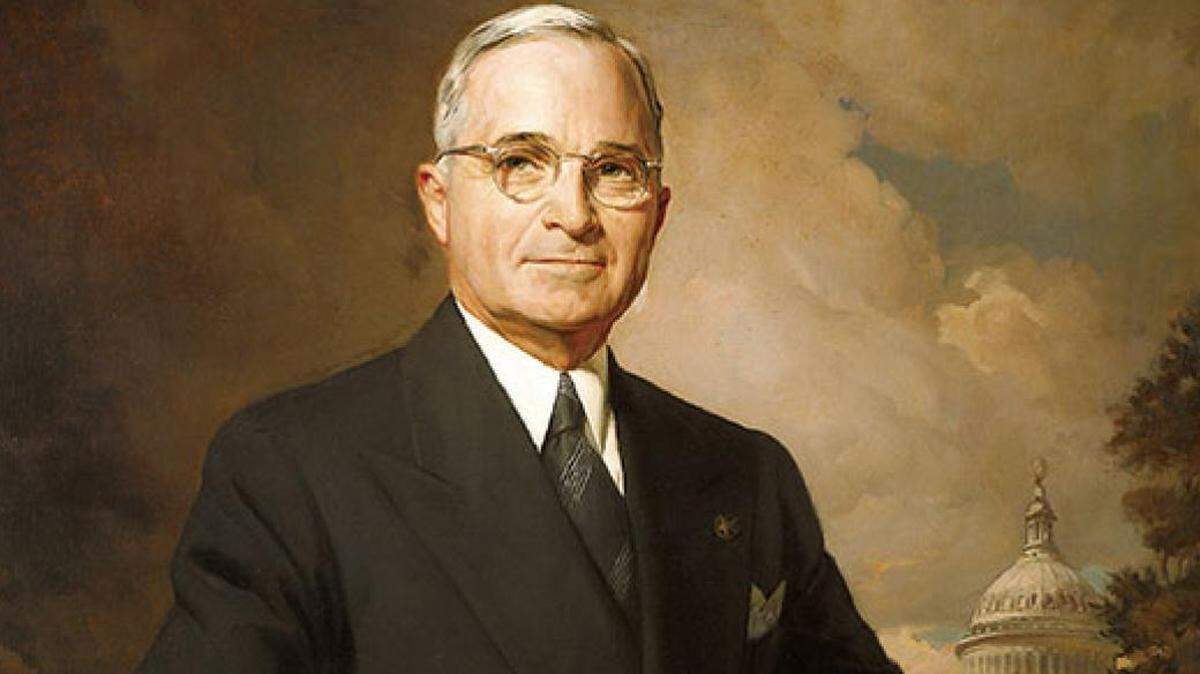
I don’t remember any panic, even though there was talk of a possible Japanese invasion, or bomber raid. Or even after a Japanese submarine shelled the Elwood oil field just up the coast from us. Certainly, I don’t recall any irresponsible statements rivaling our governor’s recent claim that 56% of us would fall victim to coronavirus. Wartime President Harry Truman disposed of fear-mongering this way: “America was not built on fear. America was built on courage, on imagination, and an unbeatable determination to do the job at hand.”
Today’s invisible enemy is, of course, more elusive than those of World II. Then, we could personalize things with win-the-war slogans, and by posters with sinister comic characterizations of our enemies. But as was said both then and now, often but not too often, we are all in this together, and we must defeat the coronavirus together. To that end, our activities have been restricted by state and local shelter-in-place orders, stay-at-home orders, and lock-down orders.
All are just quarantines by another name, and of doubtful legality. They will likely be tested by hungry attorneys in the months and years ahead. But if the governmental directives are reasonable, we have a moral obligation, as citizens promoting the common good, to heed them. And, as we proceed through the crisis, our leaders must also act responsibly, balancing public health concerns against the potential for catastrophic harm to our economy with increasing unemployment, poverty, homelessness and crime.
As President Truman assured us, we as Americans can put fear aside and do the job at hand. During the dark days of World War II, when England stood alone against the Nazi onslaught, the words of a song captured the heart of that nation: “There’ll be bluebirds over the white cliffs of Dover, tomorrow, just you wait and see.”
If we remain diligent, and heed the reasonable directives of our governments, tomorrow we will win the war against coronavirus. And then we will return to our churches, our restaurants, and our theaters. Just you wait and see.