
What toilet paper and diapers teach us in the tumult of the coronavirus pandemic
My usual Saturday morning shopping trip was unlike any other. As I pulled my car into the store parking lot, I saw more than 100 of my fellow Fresnans lining up outside. When the doors opened, most ran straight to the toilet paper aisle.
Why toilet paper? As our city, country, and world face a pandemic unlike anything most of us have ever experienced, why stockpile something that is neither lifesaving, nor especially related to the symptoms of COVID-19? The illness caused by the novel coronavirus is typically associated with fever, cough, and short breath, not a runny nose or diarrhea.
Others have offered reasonable answers based on economics and human psychology. According to Scottie Andrew for CNN, officials’ conflicting messages and others’ panic buying have spurred demand for this nonperishable good. Writing for Time, Jeffrey Kugler noted that people want something they can control amid uncertainty, especially if they’ll eventually use it no matter what. Local news speculated about our tendency to focus on eliminating superficial risks instead of more daunting ones. In other words, it’s easier to ensure we don’t run out of toilet paper than to take more extreme measures — widespread social distancing, school closures, and home quarantines — that will shape our lives for the foreseeable future.
I offer another explanation from an unexpected source: parents who couldn’t afford enough diapers for their babies well before the first COVID-19 diagnosis.
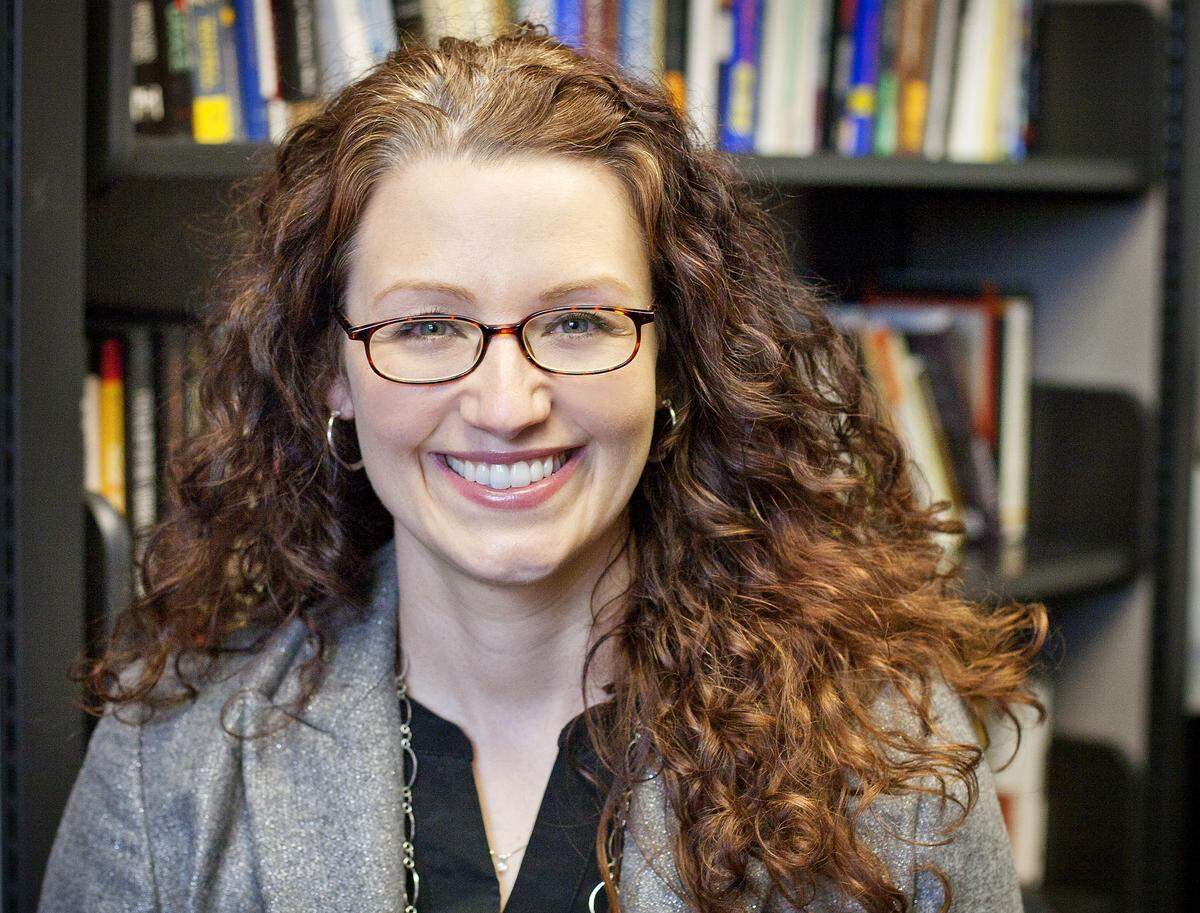
As a sociologist who studies very-low-income parents, my research seeks to understand what people do when faced with impossible choices, like buying food or diapers for their children. Many go without food themselves, and some use other household items for makeshift diapers. One alternative is toilet paper.
This problem called diaper need is a common and often hidden problem of poverty experienced by one in three families with young children. Many social and political trends have converged in the past few decades to create diaper need. Demand for disposables grows as more parents must work outside the home and utilize expensive day care, while the diminishing value of public aid barely covers other necessities like rent and food.
Interviews with almost 100 parents coping with diaper need have taught me about the unique practical and symbolic import of hygiene items like diapers and toilet paper in the face of precarity. One parent shared: “What does it say about you as a mother if you can’t provide diapers, this one simple thing your child needs?” Providing those diapers, often at the expense of meeting their own needs, is something parents do to protect their vulnerable children from the injuries and indignities of deprivation. Given all the inequalities and injustices poor parents confront, a clean diaper preserves a core part of their children’s humanity and bodily integrity. It’s also a way parents can prove they are willing to do anything for their kids.
Consequently, I didn’t question the motives of those running toward the paper goods aisle. I saw people acting on the recognition that our political and social infrastructure is likely ill-equipped to meet all our basic needs in this crisis, especially as some of the most vulnerable among us — the elderly and those with pre-existing health problems — may fall seriously ill. I watched scared individuals seeking to safeguard their and their families’ comfort, cleanliness, and dignity in truly unprecedented and overwhelming circumstances. Despite claims of irrationality and self-interest, I also saw strangers calmly helping each other get their one allotted and much-coveted pack of toilet paper.
As our community efforts to contain the coronavirus ramp up in the coming days, we’ll need more of what I witnessed in that toilet paper aisle. We must do all we can to protect one another’s humanity and meet the basic needs of our most vulnerable. Something positive can come out of this much criticized and ridiculed rush on toilet paper. Perhaps we’ll develop more empathy and better social safety net policies for those in need who persistently lack access to basic hygiene items like diapers — and toilet paper.