
Government for the people, by the people is a work in progress for inland California
The premise of democracy is fairly simple: a government for the people, by the people.
Making democracy work is another matter. And it won’t work unless the people truly can influence decisions that affect their lives.
That’s not just voting in elections but also showing up, speaking out, and taking an active role in the democratic process, no matter how messy or complicated.
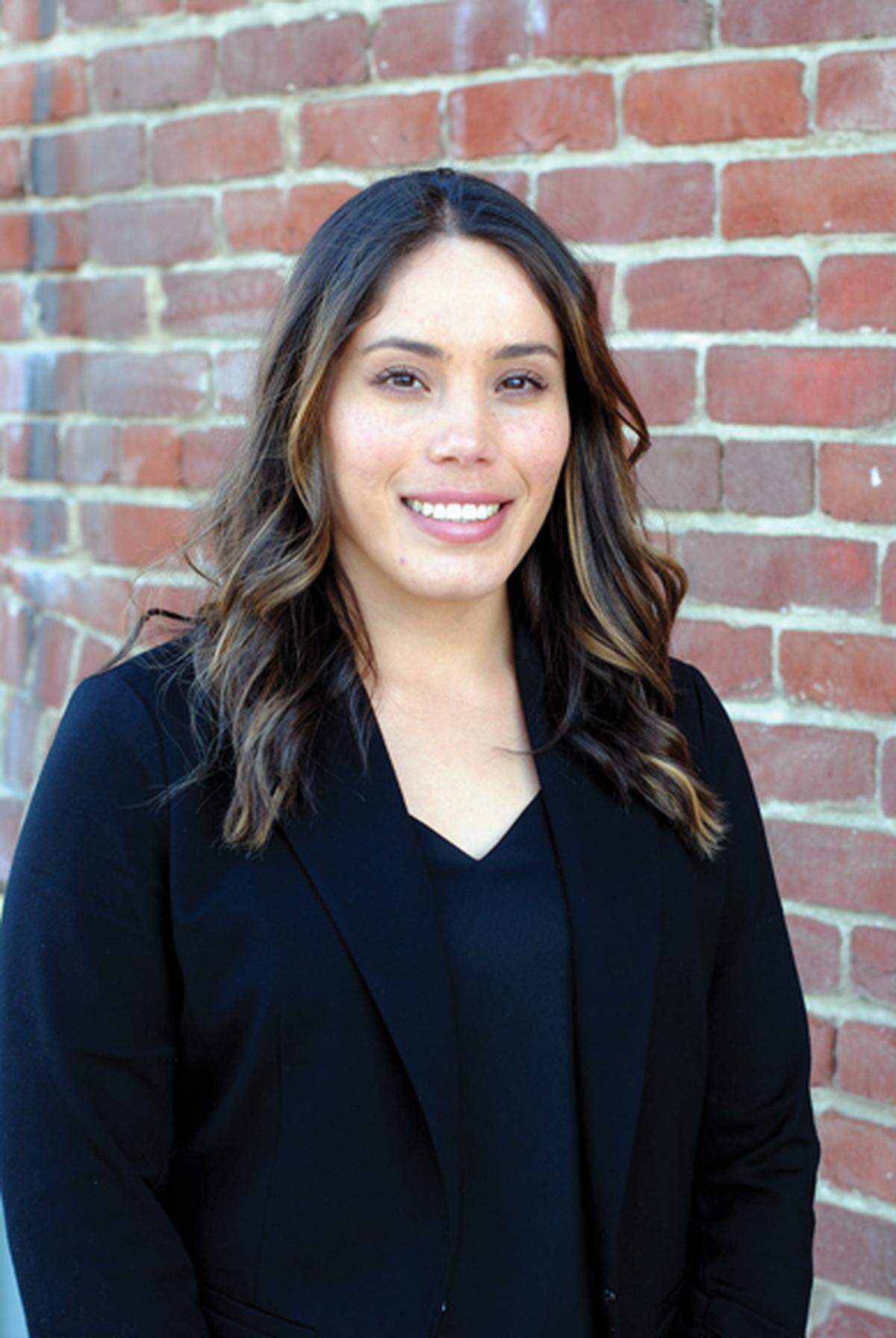
We’re grateful this very type of work is taking root in the Central Valley — and gaining recognition. Recently, we were honored to receive The James Irvine Foundation Leadership Award, a $250,000 award to our organization, Leadership Counsel for Justice and Accountability, for innovative efforts focused on California’s biggest challenges.
Receiving a statewide award is particularly gratifying because it acknowledges the importance of inland California, which is often overshadowed by coastal areas. And it’s particularly important in disadvantaged communities of inland California that are shut out by the money, media, and political representation of dominant industries in the region: developers, agriculture, and energy. That’s why we started Leadership Counsel in 2013.
California’s Central and eastern Coachella valleys are two of the world’s richest agricultural regions, responsible for one-fourth of the agricultural production in the U.S. Working families across the valleys feed the nation but struggle themselves to put food on their own tables. (A 2018 survey found that 68 percent of San Joaquin Valley workers and 51 percent of Coachella Valley workers were struggling with poverty.)

Many Californians, including residents of those places, would be surprised to learn that hundreds of neighborhoods in these regions (urban or rural) have no access to safe drinking water, sewer systems, public transportation and even parks and sidewalks, not to mention the polluted air that is hard to breathe in both valleys and the housing crisis facing lower-income households throughout the state.
That’s not because residents don’t care about those things, and it’s certainly not because they don’t pay taxes or pay attention. It’s because they’ve been excluded from the rooms, tables and settings where decisions are made, are too busy making ends meet, or don’t trust that decision-makers care about them.
And, to be honest, they are justified in their mistrust. The people in power don’t always represent the people they are charged with supporting, fighting for, and, well representing. But that can change.
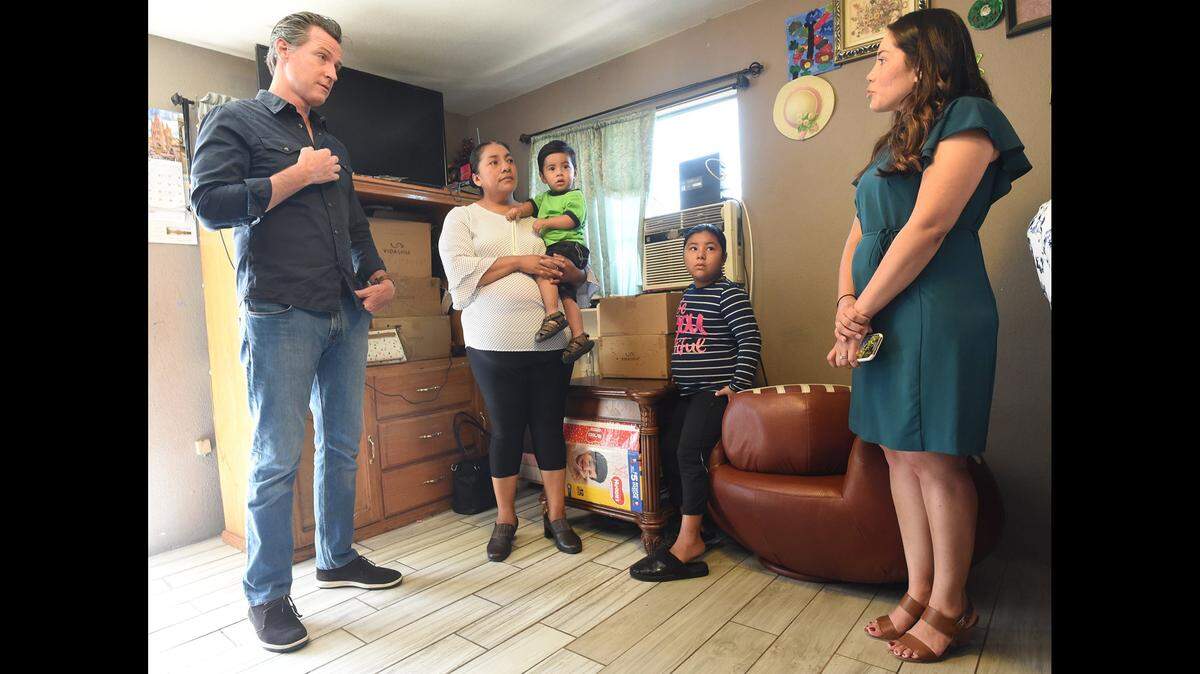
Community leaders, when given the chance, can inform complex policy campaigns, navigate political processes, and take on leadership roles to hold local and state agencies accountable. This people-led approach has led to partnerships with legislators to create programs and policies to encourage and support local government efforts to achieve significant environmental, health, and economic benefits in low-income communities. Only through this model of co-powerment — where we work in partnership with community leaders to leverage our collective assets, ideas, expertise and voice — will we fundamentally change and improve upon the status quo.
For example, community residents with whom we partner played a critical role in securing nearly $30 million from the Transformative Climate Communities fund for west Fresno, one of the most environmentally and economically challenged neighborhoods in California.
This is big, but even better is the ripple effect we have seen civic engagement have across communities, including greater government responsiveness, from Sacramento and Fresno to Bakersfield and Riverside.
The opportunity is even greater now that the governor has identified inland California as a priority. More public sector attention and investment — along with increases in philanthropic and private-sector activity — can transform parts of the state that have been valued for their vast land but not for their people.
We will not achieve true, equitable gains for inland California if residents who will experience transformation in inland California most are not engaged in the policy and funding decisions affecting these communities. This takes time, leadership, and an unprecedented commitment to inclusivity.
The premise of democracy is fairly simple: a government for the people, by the people. We’re not there quite yet, but residents in inland California are showing how we can make democracy work.
This story was originally published March 9, 2020 at 10:54 AM.