
Two words environmentalists, Valley growers should agree on: regenerative farming
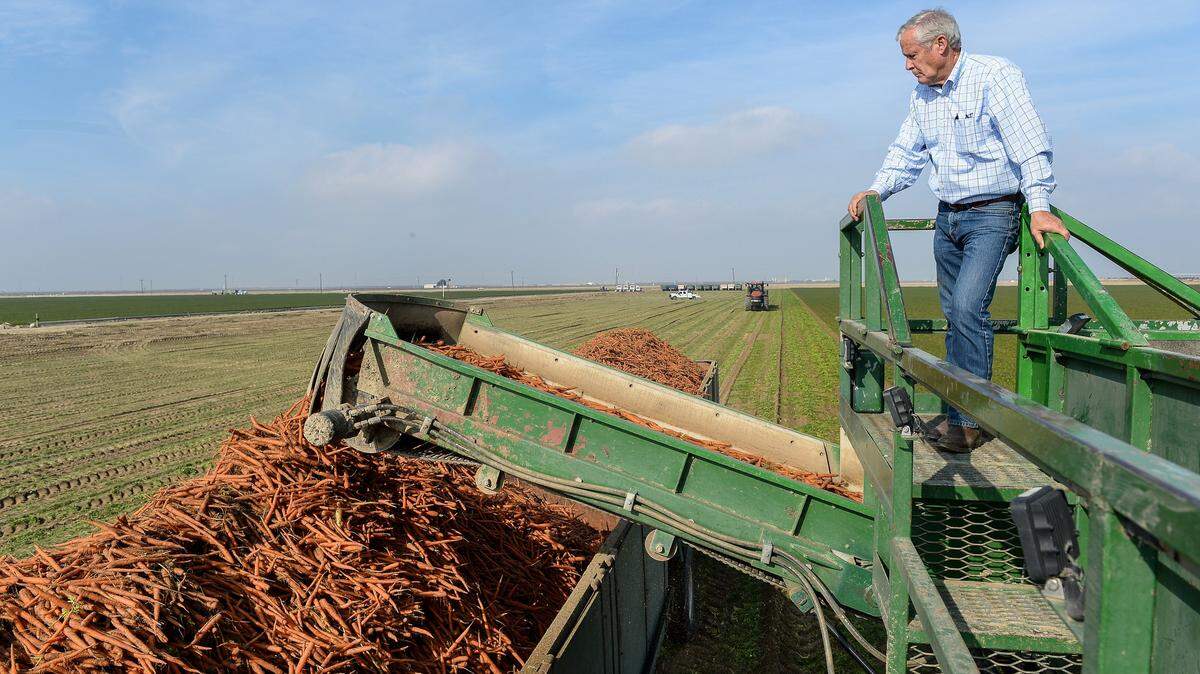
I have a two-word solution that could help enemies to become friends, to help farmers to make money, and to save the planet: regenerative agriculture.
Regenerative agriculture actually pulls excess carbon out of the atmosphere and puts it back into the ground, where it came from. Regenerative ag also absorbs more rainfall into the ground, where we need it, which reduces topsoil erosion. Regenerative ag reduces farmers expenses to help them to become more profitable (watch a few of farmer Gabe Brown’s lectures on YouTube). Bonus: Regenerative ag grows healthier (and tastier) food for all of us to enjoy.

Regenerative farming uses photosynthesis to pull carbon out the air and into plants; what doesn’t get used by the plants is put into the soil. The carbon compounds in the soil feed microorganisms, which also help the plants to use more minerals from the soil. Combined, the roots and bacteria and fungi create a soil that will store carbon.
Regenerative agriculture is one of the solutions that we all need to rally behind. Environmentalists and the farmers have been feuding for so long that they probably can’t imagine fighting side by side instead of against each other. If both sides could take a step back, they’ll see that they can both achieve their goals, while improving the world for the rest of us.
Gov. Newsom, you are a key. You have pledged your support (and delivered on your pledge) to inland California. Let’s turn our inland region into the world leader in research, investment, and education of regenerative farming practices. People will come from all over to learn from us. We can become the place that is leading the effort to actually save our planet through agriculture! It’s going to take serious money, but time is running out and the people and places that develop the real solutions are going to be a hot (no pun intended) commodity.
If our carbon tax investments were broken into thirds and we spent equally on clean energy, clean transportation and regenerative agriculture, we could address the big three and focus on getting results.
Where would the funding go from the carbon tax to support regenerative agriculture? Start with land fallowed because of the lack of water deliveries from drought, delta smelt or ground water restrictions. This land is already out of production, so let’s make it productive again. Pay the early adopting farmers for the costs to convert to Regenerative ag. We can’t wait for the normal adoption cycle for new ideas. We need to convert as many acres as soon as possible. From new grazing techniques (search Allan Savory), to low or no tilling (our air will be better without so much dust), to cover crops that help support the birds and bees.
Invest heavily in higher education that specialize in agriculture. Invest in UC Davis to do the research necessary to see what it is working and what isn’t. Invest in the CSU System’s practical ag schools like Fresno State and Cal Poly so that they can begin experimenting on their campus-run farms and can begin teaching farmers and student farmers how to incorporate regenerative practices.
Let’s not stop at regenerative farming. Think about all of the other places that can contribute to this effort. Our front and back yards can begin to use these principles. Our parks can also use these practices. Let’s stop thinking about leaves on the ground as messy and start thinking about how they are feeding the biology of our soil and storing carbon underground.
No, regenerative practices don’t solve everything. But they do help to solve many problems at once. Let’s gather the elected officials, scientists, farmers and environmentalists who can agree that this is a high priority in the fight to prevent and partially reverse climate change. Maybe this alliance could even pass a large bond to really get the process jump-started? If environmentalists can understand that farmers should be paid while we make this transition and farmers can agree that they can work with nature, then we’ll all be better off.