
Former Selma Unified student finds the district lacking in LGBTQ awareness
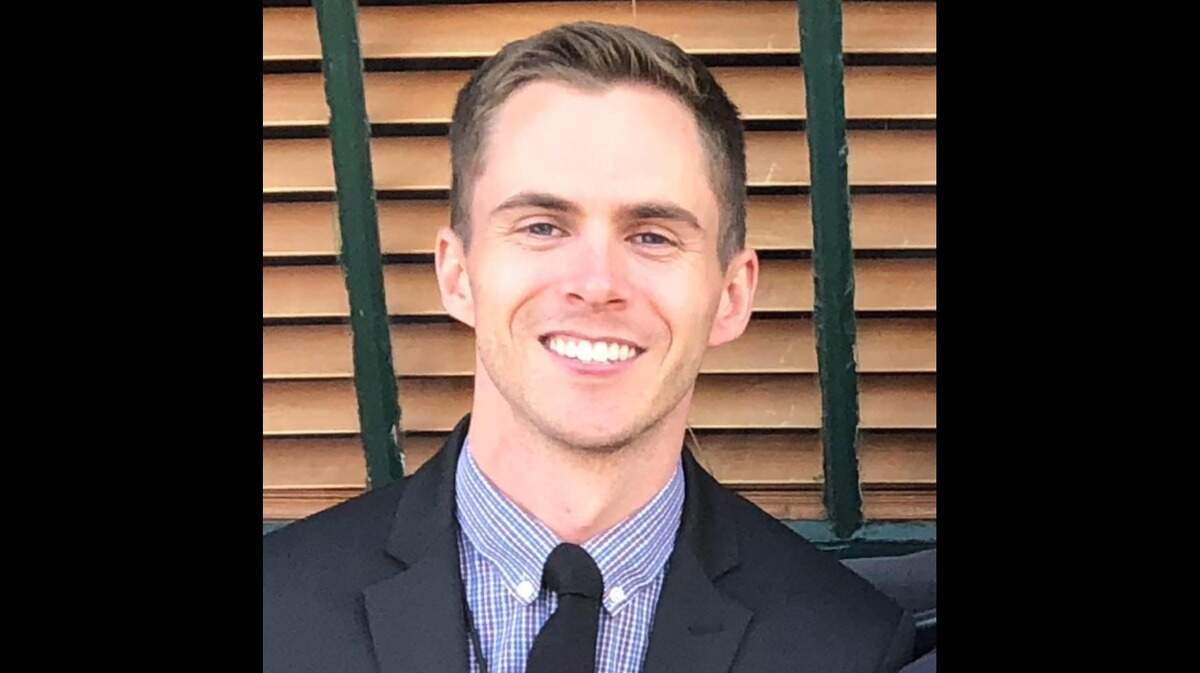
My memories of the Central Valley are polluted by years of relentless bullying that occurred within the Selma Unified School District.
I was an easy target— the slim, quiet boy who mostly hung out with girls. Before I even understood what my sexuality meant, I found myself being bombarded with daily homophobic slurs and the occasional physical locker room threats. Behaviors that are often brushed off as “boys will be boys” had effects that manifested in my adult life as depression, anxiety, and a skepticism of the education system. To this day, I still don’t understand how those sworn to foster a safe environment for children allowed me to fall through the cracks, and away from higher education.
My fear of institutional settings prevented me from pursuing college until I turned 30. After a decade of working through those traumas personally and in therapy, I am now close to completing my associate degree, and applying to universities for my bachelor’s.
Since I’ve adapted and changed over the past 13 years, I wanted to explore how Selma Unified has adapted and changed in regard to LGBTQ awareness, so I reached out to every member of the school leadership I could find. Oddly enough, all requests to discuss this subject were ignored by Selma High School Principal Guillermo Lopez, Selma Unified School District Superintendent Tanya Fisher, and various other district officers.
This took me by surprise, as I naively believed my alma mater would love to share their progress. But after further research, I came across the California Department of Education-approved Safe and Supportive Schools Report Card, put together by the nation’s largest statewide LGBTQ civil rights organization, Equality California.
The survey offered all 343 California unified school districts the opportunity to answer a series of questions meant to address how proactive they have been with implementing policies, programs, and curriculum to create a safer environment for LGBTQ students and faculty. Of the 130 districts that responded, 20 of them landed at the bottom of the list under “Priority Districts.” Selma Unified was one of them.
In the 2019 report, Selma stated it offered no faculty training focused on diversity, anti-bias, or cultural competency. No programs were offered to educate the very people that parents trust to ready their children for an increasingly diverse world. The district also admitted to restricting sexual health education solely to discussion of heterosexual relationships, not offering education on sexual orientation or HIV prevention below 7th grade, not having a single gay-straight alliance club or organization, and choosing to not respond as to whether or not school curricula include contributions of LGBTQ individuals. Disturbed by what I found, I reached out to the district officers a few more times to confirm these details were accurate. Again, I received no response.
The results of what I found did not align with my optimism for 13 years of potential progress, nor did they seem to meet the guidelines set by California’s FAIR Education Act. According to the 2011 California Education Code amendment, students in grades K-12 are to be presented with curriculum that includes accurate contributions from the LGBTQ community, those with disabilities, and members of other minority groups.
After repeated efforts, I did finally manage to get a meeting with Selma Mayor Scott Robertson. Rather than include anyone from the school district, Robertson somewhat confoundingly invited Selma Arts Center coordinator Nicolette Anderson to attend. I shared my story and my research findings, and explained my reasons for caring about the well-being of current and future students in Selma. In disbelief of Equality California’s report, both Robertson and Anderson assured me that the city was very gay-friendly. But their verbal assurance was in no way a testament to how safe the school system is.
Selma Unified’s lack of interest in bettering their learning environment for all students should worry more than just parents. Earlier this year, the ACLU sued nearby Madera County after the Chawanakee Unified School District removed students’ LGBTQ-related senior quotes from the yearbook. In the settlement, the district was required to implement new policies in an effort to protect LGBTQ students. As California leads the way in expecting more from the education system, the gap in progress is growing for Selma.
Fortunately, I was able to transcend my adolescent troubles in Selma. I benefited from the privilege of having a loving family and from the opportunity to leave town and move to more accepting urban environments after graduating from Selma High. This isn’t the case for everyone. According to the 2013 Gay, Lesbian & Straight Education Network (GLSEN) report, 74 percent of LGBTQ youth are harassed because of their sexuality and 57 percent feel unsafe at school. Suicide rates are twice as high among lesbian, gay, and bisexual youth compared to their heterosexual classmates.
As disproportionate rates of depression among LGBTQ youth continue into the new decade, the discussion over proper representation and guidance in the education system must be met with swift action. And when those who have the power to do so turn their back on the most vulnerable, they should be held accountable.