
Farm overproduction, hungry families is today’s paradox of the Central Valley
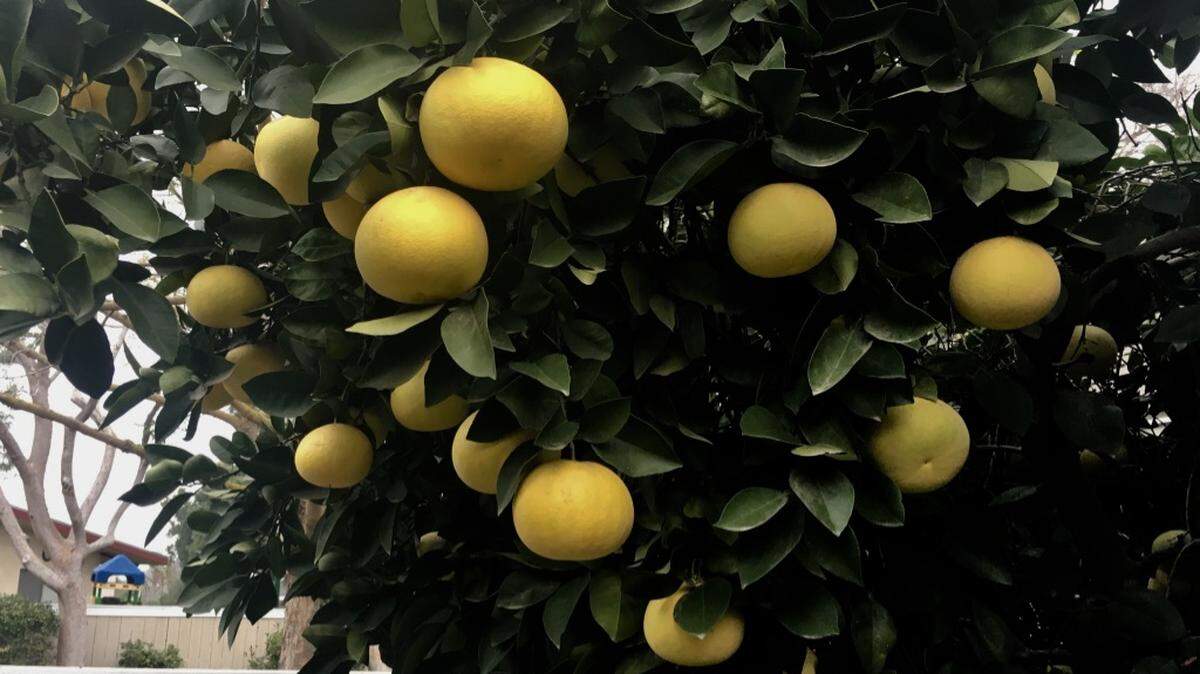
Citrus season is here, and I’m gazing at my grapefruit tree with the usual angst. Twice a year it produces an excessive amount of fruit, rendering my yard a microcosm for the Valley — an agricultural powerhouse with hungry residents.
Did you know the Central Valley ranks third in the nation for food insecurity, while a third of our crops are decaying in the fields? This was news to me. Fresno Bee news, to be precise. I learned these sad stats in Manuela Tobias’s feature article back in October: California families at risk for hunger — while a third of crops left to rot on farms.

Reading it brought to mind John Steinbeck’s 80-year-old classic, “The Grapes of Wrath,” an exposé of capitalism run amok, with stark juxtapositions like this: The fields were fruitful and starving men moved on the roads.
“Food loss” is the new label, but the problem of overproduction is as old as Steinbeck’s book itself — one so scathing in its condemnation of industry that it was initially banned. I checked it out from my local library branch and re-read it cover to cover, fishing for the scene I remember so vividly from high school English class, which reads like this:
And in the south he saw the golden oranges hanging on the trees, the little golden oranges on the dark green trees; and guards with shotguns patrolling the lines so a man might not pick … oranges to be dumped if the price was too low.
Steinbeck told the story of the Joads — a family that migrated to California during the Dust Bowl in search of farm work. “Simple agrarian folk,” the Joads had not grown up with the “paradoxes of industry” that we Fresnans know so well.

These hungry men — the Joads and their fellow migrants — were contrasted with the industry men, whom Steinbeck caustically and publicly derided when he wrote:
Men who can graft the trees and make the seed fertile and big can find no way to let the hungry people eat their produce. Men who have created new fruits in the world cannot create a system whereby these fruits may be eaten.
Eighty years ago, such a fierce rebuke may have been apt, but in my mind, this is where the parallels end. Today there are many men — and women — who are dedicated to social innovation and social enterprise, both relatively new terms for an old business notion of “doing well by doing good.”
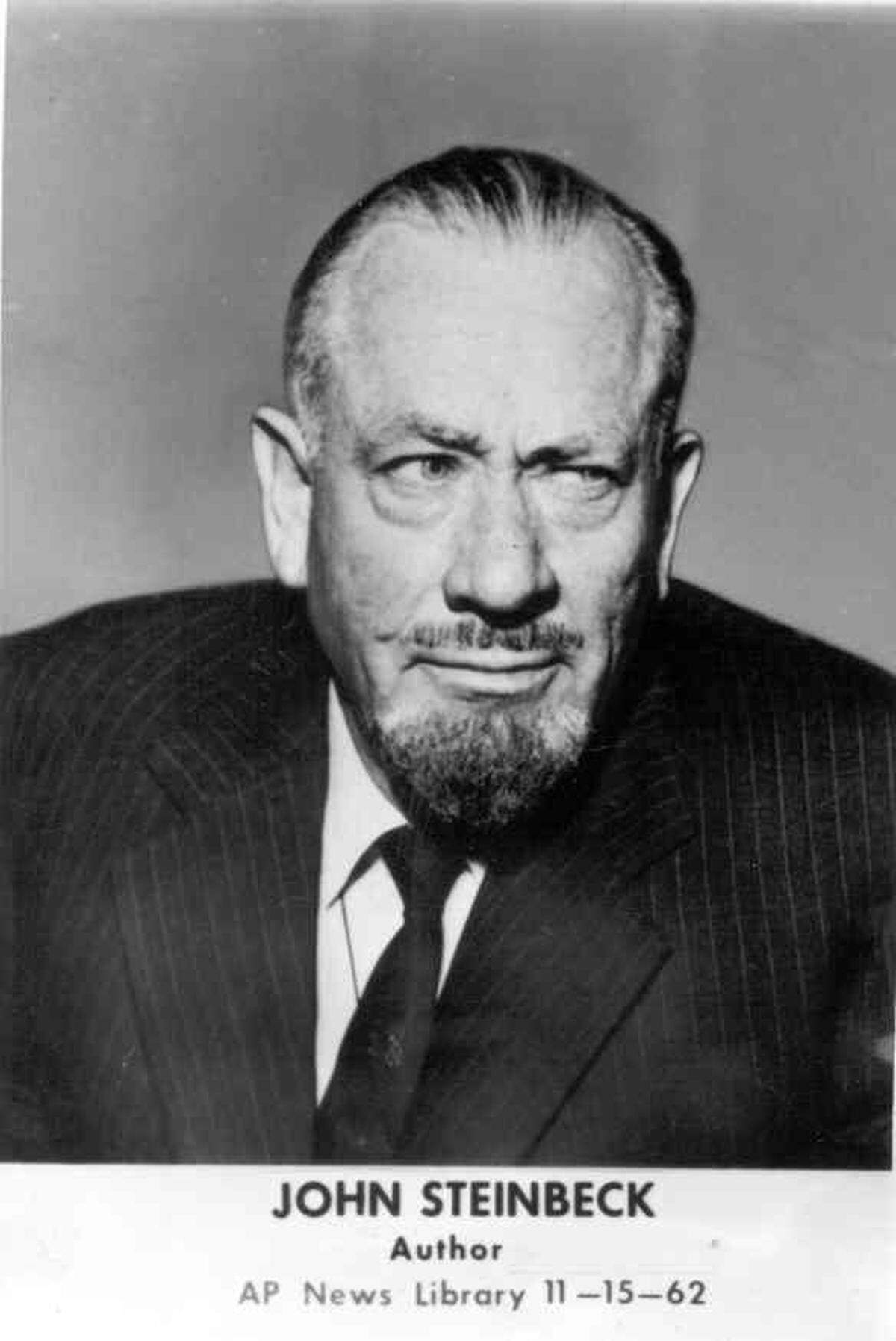
About 20 years ago, the “double bottom line” concept was gaining traction as I left Fresno to study management at Yale. Now it is a thriving platform for entrepreneurs, investors, and consultants like myself: Tobias cited $125 million invested in startups looking to address food loss and waste in 2018 alone.
I am encouraged by these efforts to resolve “the paradox of industry” that Steinbeck brought to life so poetically in “The Grapes of Wrath.” I am confident that we will find a way to feed hungry families with our so-called “unmarketable produce,” and I hold great admiration for the men and women who are working so hard to make it happen.
For my part, I’m setting out to harvest the grapefruit in my front yard. I’ll share several bags with friends and family, then load up the surplus and head over to a local food bank. It’s a small gesture, but it’s better than nothing. As I see it, my grapefruits are just too sweet to be full of wrath.
(Note: all italicized passages are taken directly from “The Grapes of Wrath.” Footnotes with page numbers available upon request.)
.