Go ahead and stare, Fresno. Because the Sierra will soon fade behind a veil of smog | Opinion
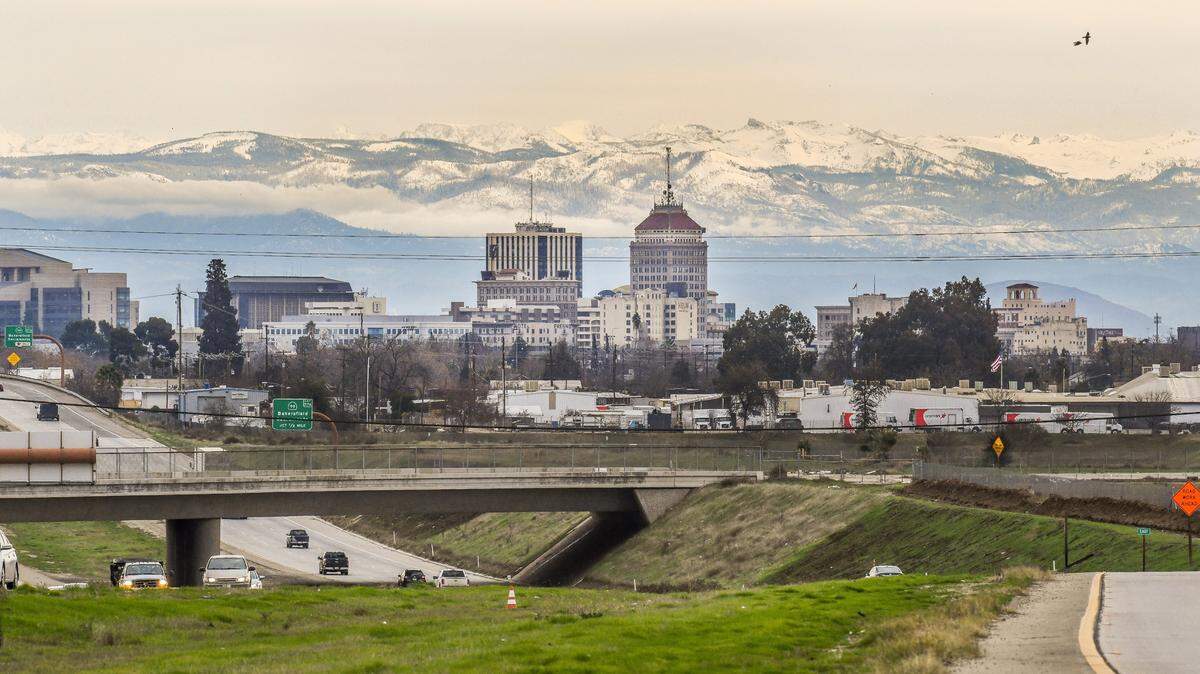
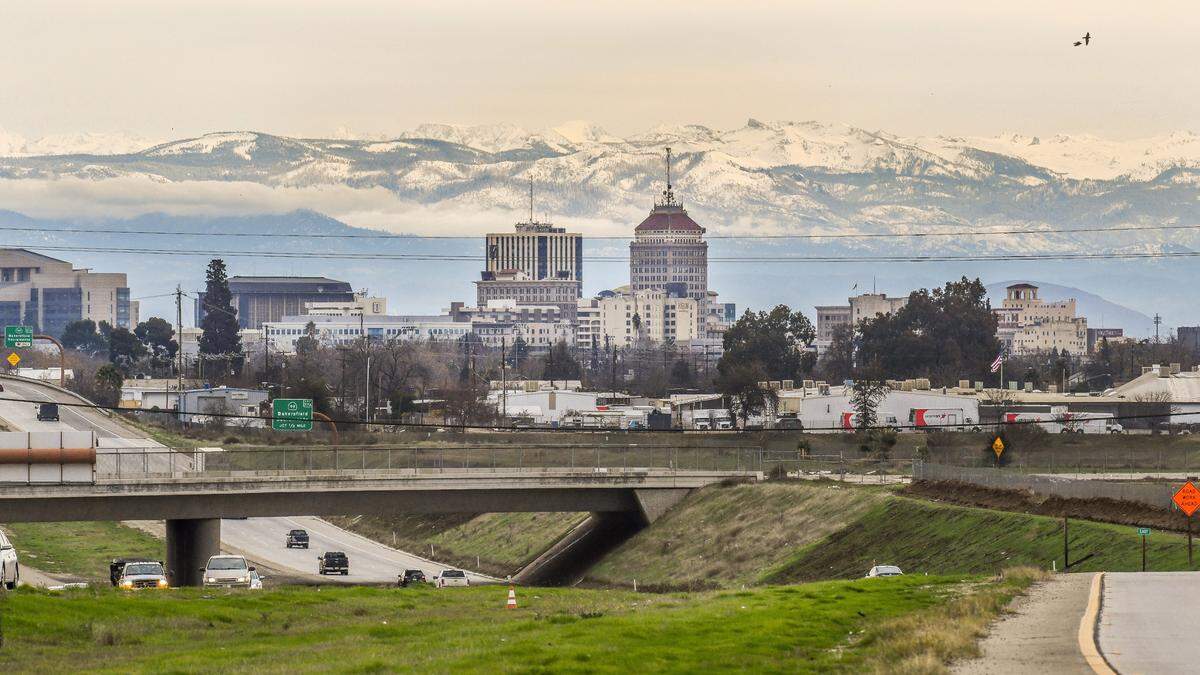
On a recent afternoon, while driving north on 168, my attention was momentarily distracted by a natural wonder on the horizon.
The Sierra Nevadas. Crystal clear, bathed in sunlight and glistening with freshly fallen snow.
What a spectacular sight to behold.
Except for a few fleeting days, usually in the middle of winter, it’s easy to forget how close Fresno sits to one of the world’s great mountain ranges.
John Muir’s fabled Range of Light appears seemingly out of nowhere when a storm rolls across the central San Joaquin Valley, clearing our skies of dirty air, before quickly fading and disappearing when the smog resettles.
Once out of view, the Sierra (for most of us living here) passes quickly out of mind.
But what if it weren’t that way? Imagine if those peaks and ridges that are only visible from Fresno on those rare clear days could be seen throughout the year. Would residents feel differently about where they live? Would the visible presence of mountains inspire more active lifestyles? Would more people form deeper connections to nature?
Would Fresno be looked at differently by outsiders? Instead of a largely featureless city with scorching summers, perhaps we’d be a destination for outdoor recreation. A launching off point for world-class hiking, backpacking, off-road cycling, rock climbing, whitewater kayaking and rafting, all-terrain vehicle riding, you name it.
These are questions I’ve often asked myself – usually on those rare, wondrous high-visibility when the Sierra is staring us in the face.
What peaks, ridges and river drainages are we looking at? Here’s a quick guided tour.
Gazing north from Fresno and Clovis, the obvious snow-covered hump is Shuteye Ridge – and behind that the Clark Range of Yosemite National Park. Moving south, the deep gorge is the San Joaquin River drainage with Kaiser Ridge and Kaiser Peak rising above that, followed by the peaks of the Dinkey Lakes Wilderness. The next major summit is Mount Goddard, an isolated pyramid in Kings Canyon National Park that peeks out from behind two ridges.
South of Goddard the next prominent landmark is Patterson Mountain behind Pine Flat Lake. Behind that rise the peaks of the Kings River drainage (Mount Gardiner is the most prominent from Fresno) and then the line of peaks that forms the Great Western Divide. Beyond that – and better seen from Visalia or Exeter – sits the Alta Peak, the Kaweah Peaks Ridge and the Mineral King area.
(The best online tool I’ve found to identify mountains is peakfinder.com. Simply type in any address, GPS coordinates or the name of a mountain and it gives you a 360-degree display that labels all the summits visible from that location.)
Just gawk while you can. Because it won’t be long until the Sierra vanishes from smoggy sight.
Healthier and more scenic
To be certain, the deleterious effect of air pollution cuts deeper than aesthetics. Ask any asthma or bronchitis sufferer, or Google search one of the numerous studies that correlate high levels of exposure to ozone and particulate matter to lower life expectancies.
Except the two go hand in hand. Fresno would be a much healthier place to live, and a whole lot more visually appealing, if we could see the mountains for months out of the year rather than a sprinkling of days.
Natives and longtime residents tell me it wasn’t until the late 1970s or early ’80s that the Sierra disappeared from regular view.
Nearly 50 years later, despite cleaner-burning engines and more attention to the health hazards of ag burning and wood fireplaces, the mountains still sit behind a veil of smog throughout most of the year. Topography is partially to blame – foul air gets trapped in the Valley’s U-shaped bowl until forced out at the atmospheric level – and so too are wildfires and pollution that gets blown in from elsewhere.
It often feels like a battle that can’t be won – and state officials certainly didn’t help by ditching the ban on diesel truck sales that was supposed to take effect in 2036.
Still, I can’t help wonder what Fresno would be like if the Sierra was part of our daily existence. Not just a healthier place to live and raise children but a prettier one too. A place we’d all have more pride in.
Something to ponder while you’re driving along the freeway or sitting at a traffic light that’s facing east and marveling at the scenery.
Just do it soon. Because in a couple days, the mountains will be out of sight and out of mind.