There’s a way for Clovis to avoid district elections. But it’ll take progressive thinking | Opinion
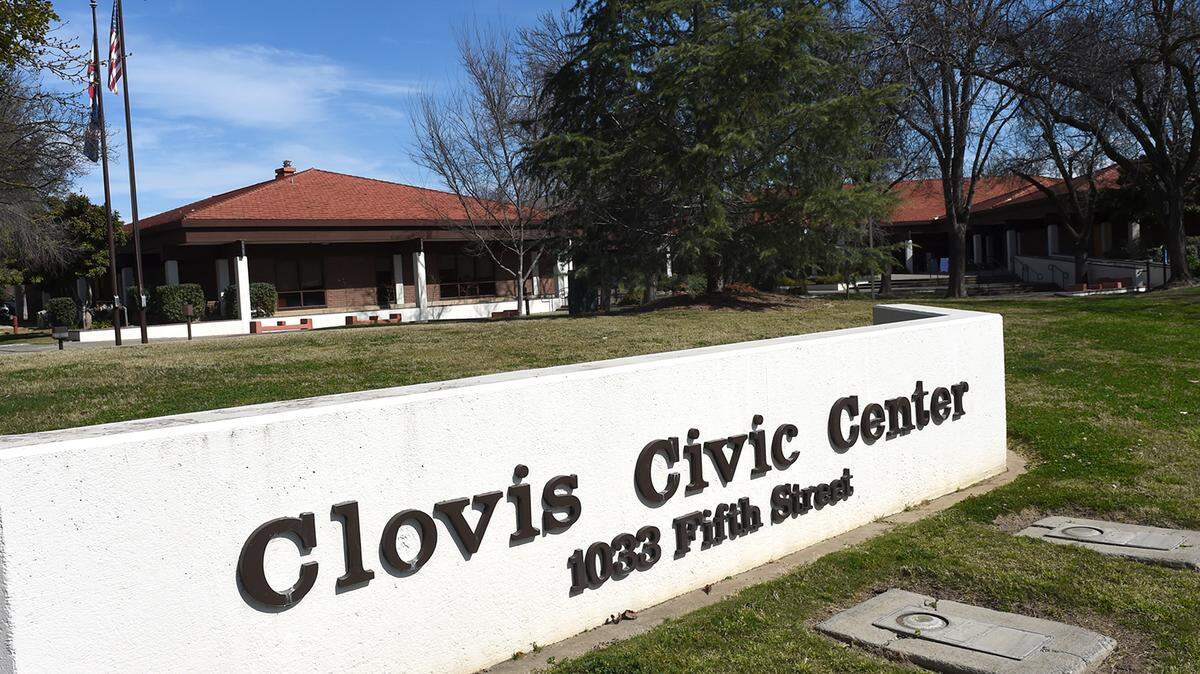
Clovis is finally moving toward district elections, despite the kicking, screaming and whining of its elected leaders.
But what if Fresno County’s second-largest city could preserve its precious at-large elections, get that shakedown opportunist Malibu lawyer off its back and, most importantly, give more voting power to disenfranchised minority communities?
There is a way to thread that needle, a path that a growing number of U.S. cities and two states (Alaska and Maine) have already undertaken. However, such a move would require bold, progressive thinking in a place where stale air and stale ideas walk arm in arm.
The solution to Clovis’ conundrum is ranked choice voting.
As opposed to traditional elections, ranked choice voting (sometimes called instant runoff voting) allows voters to rank each of the candidates for a given office by their preference — first choice, second choice, third choice, etc.
If a candidate is the first choice on more than half the ballots, he or she wins the election. Simple as that. But if no candidate nets a majority, the candidate with the least number of first-choice votes is eliminated and their second-choice support gets redistributed. The process continues until a candidate wins a majority.
Things are largely the same in multi-winner elections such as Clovis’ current system for electing council members. The primary difference being the threshold percentage of votes necessary to win drops below 50%, since more seats are up for election.
What are the benefits of ranked choice voting? Glad you asked.
Ranked choice voting is currently being used across 14 states in more than 50 U.S. cities including San Francisco, Oakland, Berkeley, San Leandro, Palm Desert and Eureka. As a whole, those cities have observed an increase in voter participation, a reduction in both negative campaign tactics and spoiler effects, a savings of time and money by eliminating the need for runoff elections and more equitable representations on their respective city councils.
Legal loophole to district elections
To me, those are reasons enough for Clovis to seriously consider switching. But if you need more swaying, consider this: The California Supreme Court, in a 2023 ruling, held up ranked choice voting systems as a legal alternative to district elections under the California Voting Rights Act.
Which, of course, is the same state law Malibu attorney Kevin Shenkman is currently using to threaten Clovis with legal action over its at-large elections — the same tactic he has employed against more than 500 California cities, school districts and other municipalities over the past decade.
According to National Demographics Corporation, the consultant hired by the City of Clovis to facilitate its transition to district elections, Shenkman has netted $20 million in settlements and fee awards off CVRA lawsuits.
The Clovis City Council, begrudgingly but wisely, opted not to fatten Shenkman’s wallet any more than necessary. (He hasn’t lost a CVRA case yet.) But city leaders kept their heads buried in the sand for so long, they’re now completely out of moves. Forced to hold public hearings and adopt a final map, splitting the city into four or five council districts, between now and early March.
Call it what it is: a rush job to get to a place nobody wants to go. District elections, while an improvement, are not a panacea to more diverse government and present their own set of quandaries.
Ranked choice voting, on the other hand, encourages more women, people of color and third-party candidates to run for public office because they have a better chance of winning — in particular in multi-winner races such as city council elections. Besides staying whole (which Clovis council members and residents say is important to them), there’s the added benefit of telling Shenkman to buzz off.
Charter city inaction costs Clovis
Unfortunately for Clovis, in California only charter cities have supreme authority over their own “municipal affairs” and are legally allowed to install local election systems that differ from statewide statutes.
There are more than 120 charter cities in California, including Fresno, Bakersfield, Visalia, Kingsburg and Lemoore. Clovis isn’t among them. It remains a general law city and thereby bound to the laws of the state.
At least for the time being.
The agenda for Monday’s Clovis City Council meeting contains a workshop from city clerk Briana Parra to “discuss” Clovis’ potential transition to becoming a charter city. Not to spoil Parra’s presentation, but it’s a long, arduous process. The city charter actually has to be drafted, either by a special committee or the elected body, and then approved by a majority of the electorate.
Had Clovis acted sooner on this and its elected leaders not ignored the reality of their situation, the city might not be where it is today: Bent over the table by a Malibu attorney who they should’ve seen coming.
Ranked choice voting offers a potential way out. However, that will require progressive thinking by the city’s elected leaders and its voters.
Which for Clovis, where diversity of thought on the city council is what’s most lacking, as opposed to diversity of skin tone, is probably asking too much.