Transparency lacking as first Fresno taxpayer-funded arts grants to be awarded | Opinion
Whenever public funds are being awarded, transparency is always the best disinfectant. Even more so when the recipients are private parties.
Nothing better than sunshine to prevent suspicions of biases or expose conflicts of interest.
Unfortunately, that’s not the way things always work in California’s fifth-largest city. (See the Fresno City Council’s common practice, currently the subject of litigation, of holding budget subcommittee meetings behind closed doors.)
The latest cloak job involves millions in taxpayer dollars generated by Measure P for Fresno’s first-ever arts and culture grants, tentatively scheduled to be awarded in July.
On Monday evening, members of the Parks, Arts and Recreation Commission will discuss the arts grants and potentially vote on their recommendations based on criteria established by the Fresno Arts Council, which has a city contract to administer the process. If they do, the public will have been denied access to key pieces of information until the 11th hour.
As of Friday afternoon, we don’t know the total amount of grants being awarded. Just that the figure will be between $5 million (the expected annual figure going forward) and $9.7 million (the total amount available since the 3/8th-cent citywide sales tax was implemented in 2022).
Thanks to reporting by The Munro Review’s Doug Hoagland, we know that 137 different arts and culture nonprofits and eligible artists submitted grant applications to the Fresno Arts Council. The total request: $15.2 million.
However, the identities of those 137 nonprofits and artists have been kept under wraps, along with how they scored on their applications. But because the amount requested far exceeds the amount available, we can be certain there will be happy winners and aggrieved losers.
Who evaluated the grant applications? Hoagland reported 43 volunteers applied for the task, but the number of those selected as well as their identities has been shielded from view.
The Munro Review sought the names of the 43 volunteers and 137 applicants under the Public Records Act. The request was filed April 17. It took until late Thursday afternoon, far outside the legally mandated 10-day window, to get any answers from the City Attorney’s Office.
Fresno City Attorney Andrew Janz blamed the delay on “a legit glitch” in his office’s digital compliance software that has been fixed.
No need for PRA
Honestly, though, that’s beside the point. The information should’ve been made public weeks ago — without the need for a PRA.
The public has a right to know who is deciding, or making strong recommendations about, where their tax dollars are being spent. But more than that, transparency is what gives the process credibility.
Without transparency, how do we know certain groups weren’t overrepresented in the application judging? Or that cronyism or nepotism didn’t rear their ugly heads?
This is Fresno, after all: a medium-sized city that frequently operates like a small town; a place where who you know goes a long way.
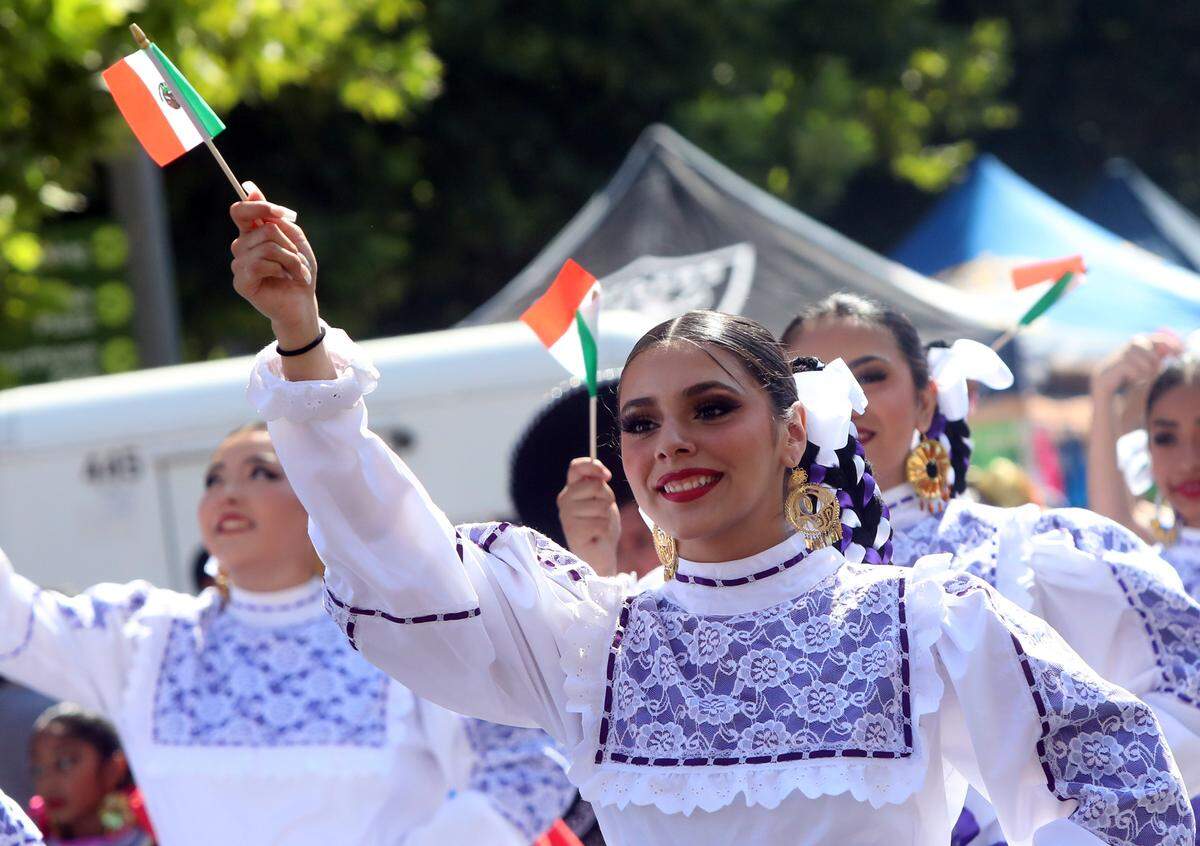
While the city council has final approval over Measure P-funded arts grants, every council member I’ve spoken with has indicated they will accept the recommendations put forth by the Parks, Recreation and Arts Commission and Fresno Arts Council.
The PRAC is a nine-member body of mayoral appointees whose purpose is to conduct public hearings related to Measure P and make spending recommendations to the city council. Within that is a Cultural Arts Committee whose two members (attorney Laura Ward and businessman Scott Miller) have been working directly with the Fresno Arts Council on the grants process.
In an interview with Hoagland, Ward tried to make the case that the identities of the volunteers and applicants should be kept confidential. Her arguments were not persuasive.
Last week I emailed a list of my own questions to Lilia González Chávez, the Fresno Arts Council’s executive director. González Chávez replied by saying the answers to most of them would be included in the posted agenda for Monday’s PRAC meeting.
Monday’s meeting begins at 5:30 p.m. Under the Brown Act, the agendas for all public meetings must be published no later than 72 hours in advance. (As of Friday afternoon, it had yet to be.) Meaning the public gets the bare minimum of notice before any important votes take place.
For Fresno’s arts and culture community, this is an exciting, anxious time. Complete transparency would foster significantly more public trust.