As Yosemite crowds get worse, bus service from Fresno nearly out of gas | Opinion
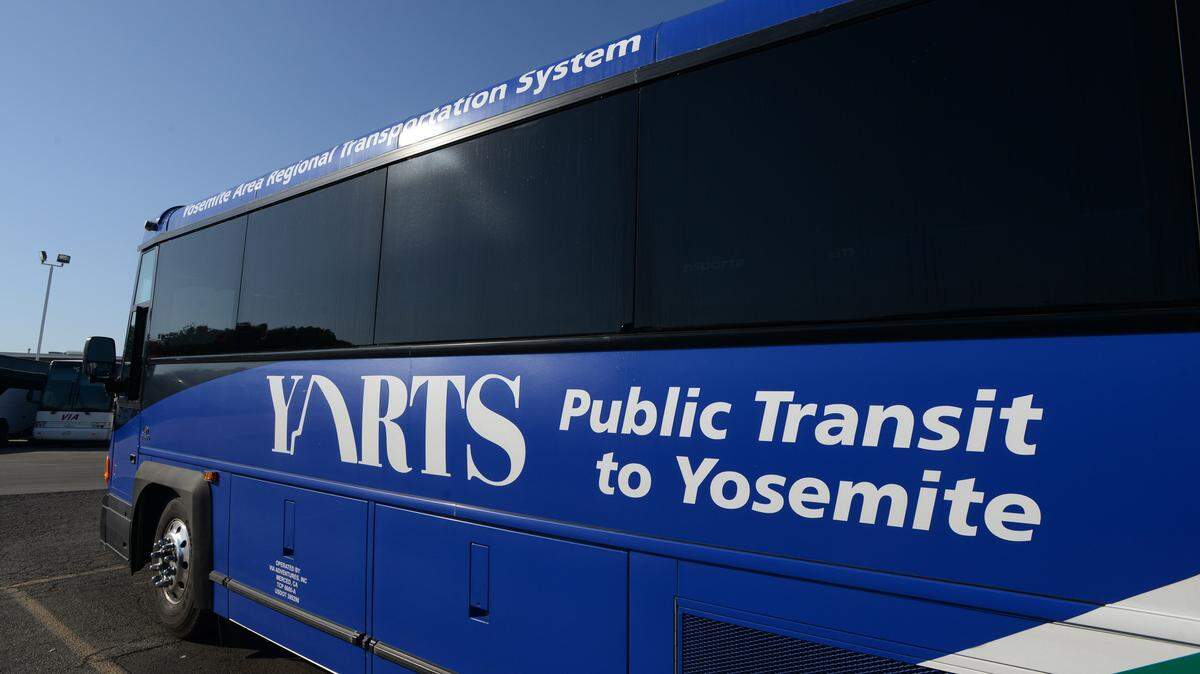
Overcrowding and gridlock in Yosemite National Park have reached the point that officials are giving serious thought to bringing back a reservation system.
I continue to believe there are better solutions. Among them is the expansion and encouragement of public transportation operated by the Yosemite Area Regional Transportation System.
Unfortunately, things are moving in the wrong direction. As the park’s overcrowding problem gets worse — and more people might be inclined to take the bus and avoid the driving and parking hassle — YARTS service between Fresno and Yosemite has been greatly reduced and is on the verge of disappearing altogether.
YARTS began in 2000, providing public transit between Yosemite and Merced. The Fresno route, which accessed the park along the Highway 41 corridor, was added in 2015 in what was announced as a two-year pilot program.
Over the years since, the YARTS Highway 41 route has been tweaked quite a bit (in response to ridership trends and to stretch out funding sources), but continued to provide three daily round trips during the busiest summer months between Yosemite Valley and Fresno Yosemite International Airport while also stopping at the downtown bus/rail station.
In essence, a two-year pilot program funded by federal grants cobbled together by the Fresno Council of Governments became a seven-year program that had just enough money to scrape by until 2022.
But after that, according to YARTS executive director Stacie Guzman, it was generally understood the Highway 41 route would cease to exist.
“In my conversations with Fresno COG, it was determined there was no additional funding and no interest in continuing,” Guzman said.
This spring, at what Guzman described as “the 11th hour,” the city of Fresno (which owns and operates Fresno Yosemite International) came to YARTS with $75,000. Enough to keep one daily bus trip going for four months between May 5 to Sept. 8.
How 11th hour? The ground transportation page on the airport’s website had already been updated to read “Visitors to Yosemite National Park must make arrangements for private transportation” until I pointed out the error.
Why did Fresno cough up the $75,000 to keep YARTS afloat locally, even in a diminished state? Because, in the words of City Manager Georgeanne White, “we recognize the value of the service to both residents and visitors.”
There’s also what White didn’t say: It’s tough to name your airport Fresno Yosemite International when the only way to get from Fresno to Yosemite, or the reverse, is by renting a car.
Since the city wishes to enjoy the marketing benefits of such a name, it too bears some of the responsibilities.
Still, White cautioned the $75,000 was a “one-time thing we managed to scrape together” from leftover Measure C funds awarded to FAX and to the airport parking garage expansion that “is not going to be an ongoing opportunity.”
“We want to find a way to keep YARTS going,” White added. “But it can’t just be the city of Fresno.”
Expiring grants, operating deficit
Interpret that comment as a message to Fresno County leaders and members of the Fresno COG Policy Board that opted to let the YARTS route expire last September.
That decision, according to Fresno COG Deputy Director Robert Phipp, was based upon federal grants that could not be renewed or increased as well as an annual operating deficit of $352,000.
YARTS ridership systemwide, as well as ridership on the Highway 41 route, peaked in 2017 and has been on a downward trend. Which can be largely blamed on a series of forest fires, COVID and the threat of floods.
“Any time the numbers go down, it’s typically because of a national disaster,” said Guzman, YARTS’ executive director.
During the formation of the Joint Powers Authority that governs YARTS, Fresno County was not fully included. Along with Madera and Tuolumne counties, Fresno was given one non-voting seat on the board of directors while Merced, Mariposa and Mono counties got two voting seats apiece.
Since then, both Madera and Tuolumne counties have joined the JPA as full members and now enjoy increased YARTS service. And it appears an invitation will soon be landing in Fresno County’s mailbox, too.
According to the agenda packet from YARTS’ July 17 meeting, Guzman sought the board’s direction in sending a formal letter to Fresno County to join the JPA. The county’s annual contribution to YARTS for operations and capital expenses is estimated to be $50,600 based on two runs of service.
Fifty thousand dollars for two daily summer bus trips between Fresno and Yosemite sounds like a good deal to me — or at least a good place to start.
Fresno County should jump at that offer when it comes. But if the county balks, or simply doesn’t see the value in providing public transit to Yosemite, the YARTS board should invite the city of Fresno to join instead.
As park officials steer toward a reservation system to combat overcrowding, Fresno residents and visitors will need more accessible options — not fewer — to enjoy the world-famous sights.