Blow a 600-foot hole in the rock alongside the San Joaquin River? Scrap that idea
Remember Jesse Morrow Mountain from a few years ago? This time it’s the San Joaquin River north of Fresno that needs saving from a destructive gravel mine expansion.
Yes, aggregate mining on the San Joaquin has been going on for more than a century. But with production tapering off and newer operations opening on the nearby Kings River, it was generally assumed the poor San Joaquin would finally be given a break and allowed to return to something closer to its natural state.
Unfortunately, a proposal by Cemex threatens to dash those hopes while ensuring another century of heavy industry on California’s second-longest river just a couple miles outside its fifth-largest city. And – get this – the multinational corporation wants permission to blast and drill a 600-foot deep pit into the river’s bedrock.
Six hundred feet! That’s approximately the height of two Statue of Liberties stacked on top of each other.
In early December, Cemex submitted an initial proposal to modify its existing aggregate mining and processing operations to the Fresno County Department of Public Works and Planning. An environmental impact report and accompanying scoping document will be prepared in early 2020, according to a memo by county planner Chrissy Monfette.
While the general public hasn’t caught wind of Cemex’s proposal yet (at least until now), history tells us there will be staunch opposition.
Consider this the opening salvo.
“This is a monster story – it’s huge,” said Radley Reep, a retired schoolteacher who acts as a watchdog for our local rivers. “It will be once this gets out. People will be shaking their heads asking, ‘What do they want to do?’ ”
‘Like Jesse Morrow Mountain in reverse’
Up until now, mining operations on the San Joaquin have employed alluvial methods. Meaning the gravel, crushed stone, sand and clay have been extracted from stream bed deposits.
Blast mining, such as proposed by Cemex, is a much different and more destructive process. It involves the use of explosives, drilling and gas pressure to break apart the hard rock.
The technique is similar to what Cemex sought to do on Jesse Morrow Mountain in the Sierra foothills near Squaw Valley in 2012 – until Fresno County planning commissioners paid heed to widespread community criticism and rejected the proposal by a 4-3 vote.
“It’s sort of like Jesse Morrow Mountain in reverse,” Reep said. “But instead of taking down a mountain, they blast a huge hole.”
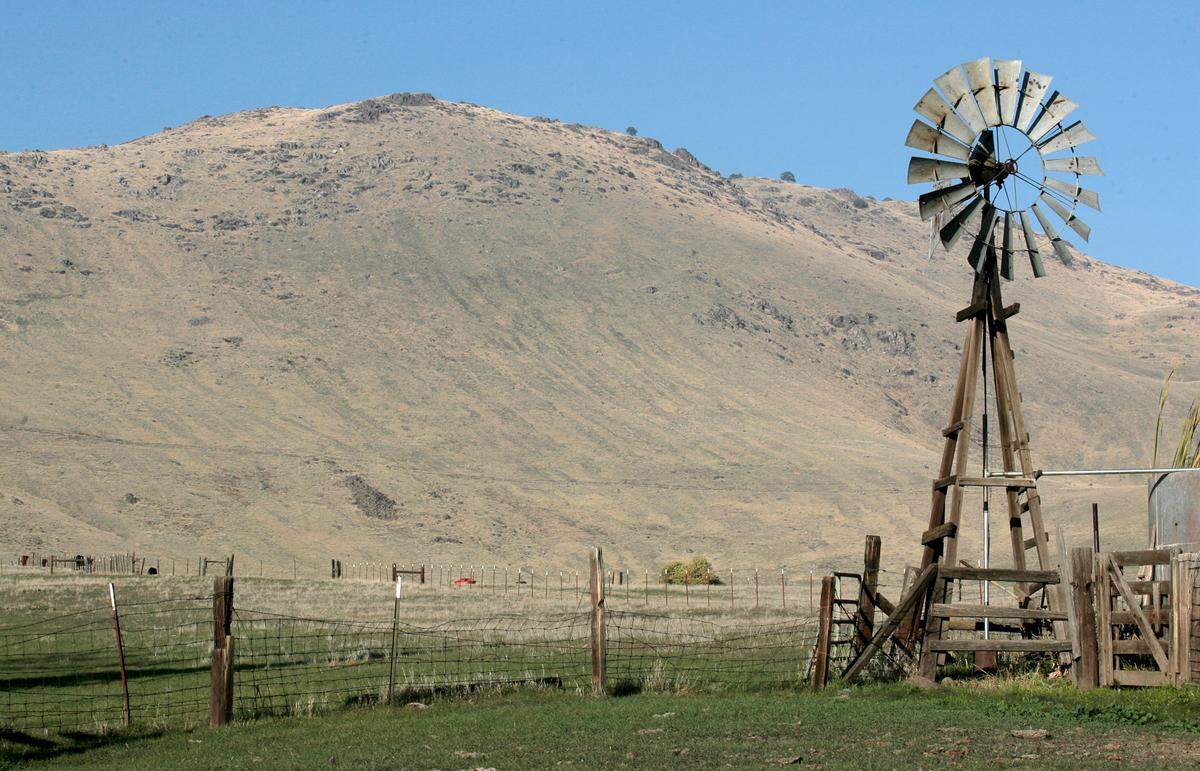
Rescuing the San Joaquin from a similar fate will require a similar level of public outcry.
Why do I make such an assumption? Just look at Fresno’s (both city and county) sorry history with the river that forms its northern border.
When power companies wanted to install a series of dams on the upper San Joaquin to generate hydroelectricity, we let them. When the federal government wanted to send half the San Joaquin’s water to Kern County, we let them. When mining companies wanted to dig up nearly every inch of river bottom in Fresno for gravel, we let them.
And when developers wanted to ensure that only golfers or those living in expensive bluff homes got to enjoy river views and access, we let them. Heck, we’re still letting them.
Let’s hope 2020 will finally be the year when the citizenry forces county bureaucrats and politicians to utter a collective “Enough.”
Industry holds sway on San Joaquin
Gravel production on the San Joaquin is waning. Vulcan, Cemex’s competitor and neighbor off Old Friant Road, ceased operations in 2017. And Cemex’s permits for its existing Rockfield facility expire in a few years.
Among river enthusiasts, the sincere hope was that Cemex and Vulcan would sell their properties to the San Joaquin River Conservancy so they could be reclaimed and eventually enjoyed by the public as additions to the envisioned 22-mile river parkway between Friant Dam and Highway 99.
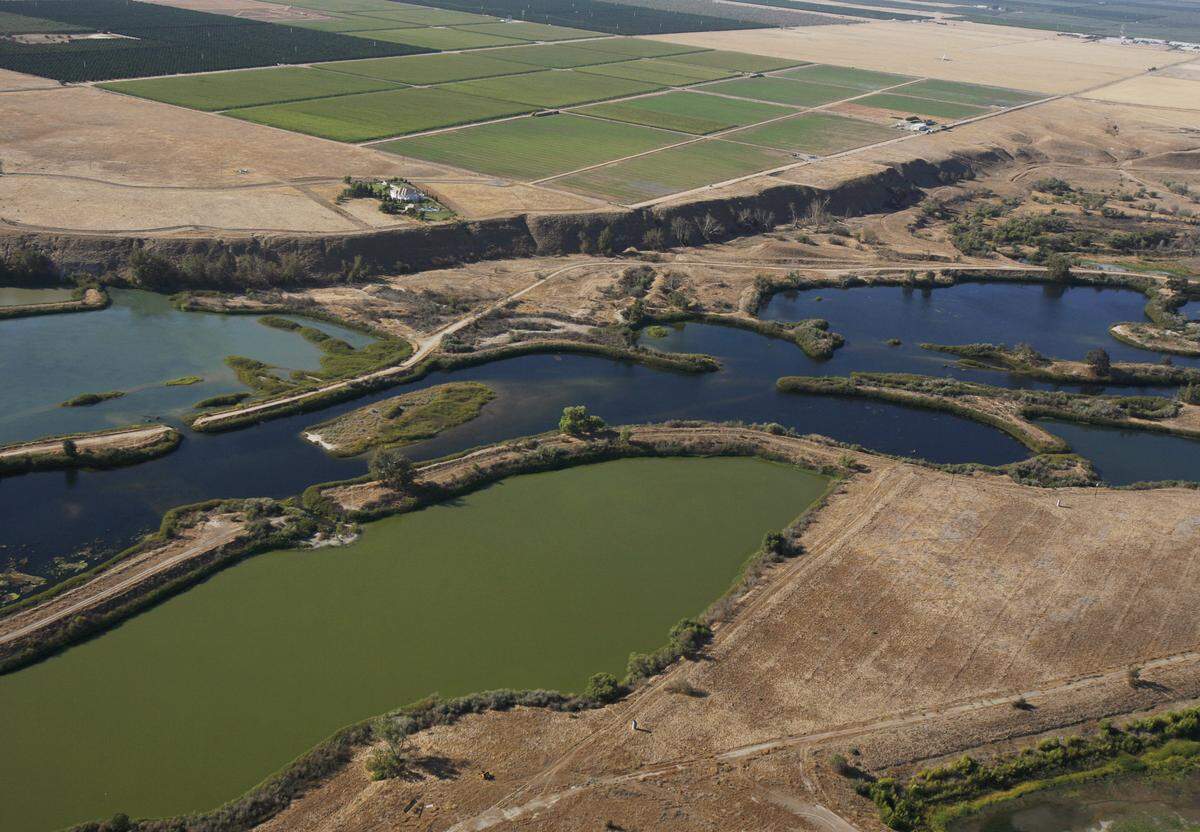
Instead, Cemex is asking for a 100-year extension to continue mining. Except now the company wants to blast its way to pay dirt.
“We thought that this would be the end of it,” Reep said. “But if this goes through, there will never be the end of it.”
Again, we are only at the beginning of this process. There will be environmental reviews, public hearings and a chance for everyone’s voice to be heard. We’ll be sure to hear all about how Fresno County needs locally sourced building materials to meet future construction demands.
It’s all part of the Industry Über Alles mindset that has guided decision-making along the San Joaquin for decades.
I, for one, can’t wait to hear how Cemex plans to mitigate the sound of explosives within earshot of existing homes as well as growing residential developments of Friant Ranch and Tesoro Viejo, where thousands will soon reside. Or how blasting and drilling 600-foot deep pit won’t impact the hydrology of residential wells or neighboring Lost Lake Park, not to mention federally mandated salmon restoration efforts.
Not all that long ago, this community saved a mountain. Time to do likewise for a river.
This story was originally published January 13, 2020 at 5:00 AM.