High diesel prices pinch everyone’s pocketbooks, not just truckers delivering goods
It is no secret that the price of gasoline is creating unprecedented pain at the gas pump for California vehicle owners. However, whether you own a vehicle or not, every California household’s budget is impacted by the prices at the pump due to the historic rise in cost of another fuel: diesel.
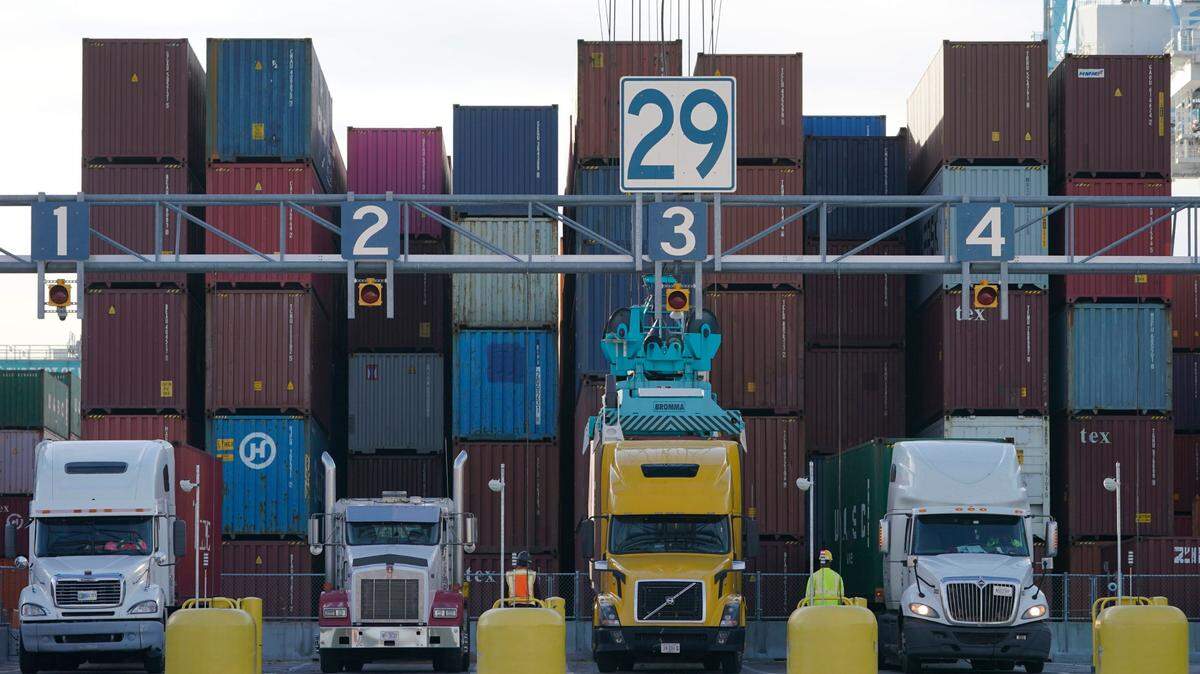
Look around your house or your office. Everything in it, from the food in your fridge to the chair you are sitting in, to the phone or tablet on which you may be reading this article, was brought by a trucker. More than 80% of all goods consumed by Californians are delivered exclusively by trucks. If you got it, a truck brought it. And despite much progress on alternative fuels, diesel still fuels 97% of the big rigs on the road today.
According to data released by the Energy Information Administration on March 28, the average price of diesel in California was $6.29 per gallon, which is $2.04 higher than just a year ago. That is a 64% increase in cost in just a single year. The impact of these costs is two-fold: Increased prices for consumers and economic pain for truckers.
To cover the increased cost of diesel, truckers must increase the rates charged to haul freight. These increased rates are then passed on to consumers via higher costs at the retail level. So, you are paying for high prices of fuel both at the pump and at the grocery checkout line.
Truckers are also partially absorbing these costs. Independent truckers and small trucking companies are particularly hurt by this crisis. These companies operate in markets which do not always compensate for the increased cost of fuel, much less a 64% year-over-year increase in diesel prices. The impact to small fleets is especially concerning because more than 95% of the trucking companies in the country operate 20 or fewer trucks. These companies are the backbone of the industry and are struggling to keep up with out-of-control costs.
The shock of bare shelves, out-of-stock notices and long delivery times are still fresh in people’s minds. Supply-chain disruptions are unfortunately real and here to stay if events such as these unforeseen increases in diesel prices continue to keep us from getting on track.
So, what can be done to ensure goods keep moving and working families are protected from further inflation during this crisis? Sacramento has a role to play. California’s leaders have rightfully begun a timely conversation around how to alleviate the pain felt by commuters from higher gas prices, but as negotiations between the governor and the legislature continue, our leaders should keep in mind that truckers and, by extension, consumers, need relief from high diesel prices.
California is fortunate to be experiencing this crisis amid a $45 billion budget surplus. Critical funding for road repair, transit, active transportation, improvements for the supply-chain infrastructure and other key programs funded by fuel taxes can be temporarily bolstered by the state’s general fund so that we do not forego the benefits of those investments to the economy, road safety and working-class jobs.
What must not happen is costs continuing to rise, driven by international events and to an extent policies right here at home, without a solution to offset these new costs shouldered by the working-class members of the trucking industry. If truckers cannot afford to drive, then goods do not move. We have seen what that looks like — shelves empty of paper products and stores running short of needed supplies and groceries. At the height of the COVID-19 pandemic Californians lived through that environment, but we cannot allow that to become the new normal. Now is the time for Sacramento to come together to ensure the supply chain continues moving.