
Ensuring water supplies for the San Joaquin Valley’s cities requires cooperation
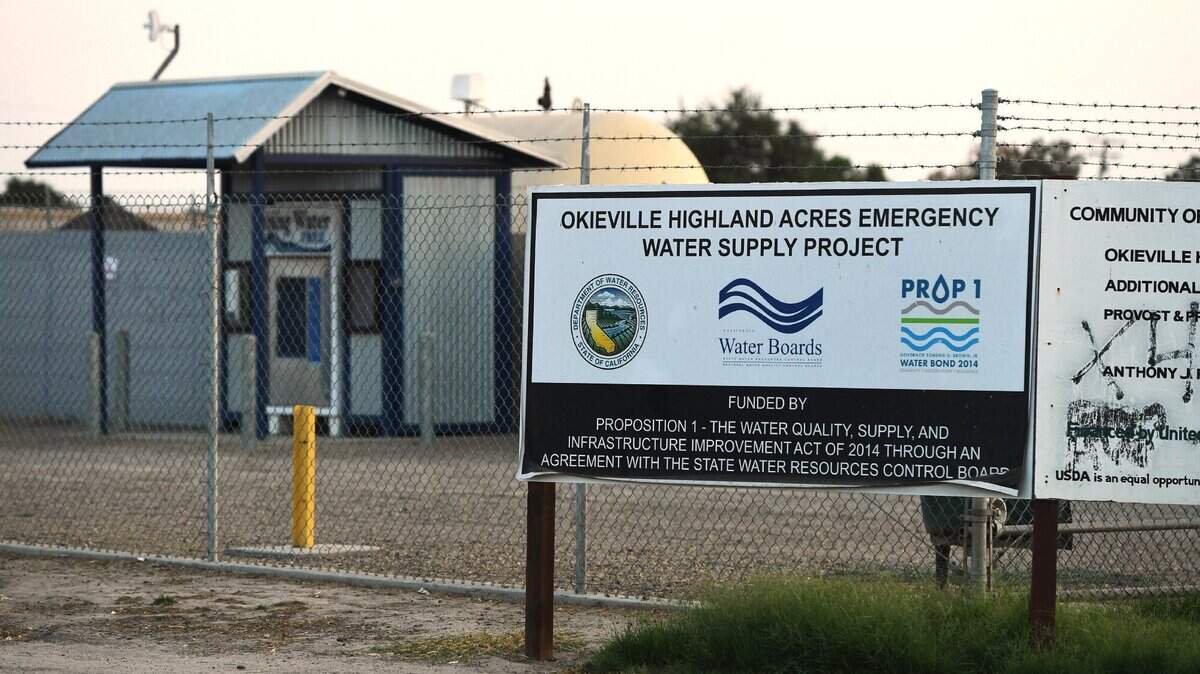
Communities around the state — and particularly in the San Joaquin Valley — are feeling the pain from groundwater overpumping, including drying wells, land subsidence, and struggling ecosystems. The 2014 Sustainable Groundwater Management Act (SGMA) will change that by requiring water users bring their groundwater basins into balance by the early 2040s.
Stewarding the state’s aquifers will bring numerous benefits, particularly as the climate changes — but it will also force hard choices. While many have focused on transition challenges for San Joaquin Valley agriculture — the region’s largest industry and largest groundwater user — it’s also important to evaluate how SGMA will impact the valley’s urban areas, another engine of growth, where most residents live.
The Valley is one of California’s fastest-growing regions. It is already home to some 4 million residents, and another 1 million residents are expected by 2040. In our new report, we discovered that at least 30 of the San Joaquin Valley’s 48 urban water utilities rely entirely on groundwater — and that’s particularly the norm for smaller urban utilities that serve between 10,000-50,000 customers.
Many smaller urban utilities are strapped for administrative capacity. But without proactive planning, these communities may find themselves blindsided by new pumping restrictions, which could necessitate costly and difficult eleventh-hour fixes to keep the taps flowing.
Fortunately, there are ways to navigate this new reality of reduced groundwater availability while meeting the demands of a growing population. Demand management offers some hope: the Valley still has some of the highest per-capita water use in the state, and there’s plenty of room for savings, particularly by reducing landscape water use. Significant savings already occurred during the last drought, and water use never fully rebounded.
Looking forward, maintaining reliable and affordable access to water for the region’s residents will require comprehensive, basin-scale solutions — including strong partnerships with other water users — to manage both demands and supplies.
The valley’s urban water utilities should team up with local land use authorities to promote continued progress on water use efficiency in new development. Utilities can also join forces with agricultural water districts and land use authorities to recharge groundwater—a promising way to grow the water pie. One appealing concept for some communities is to create “blue belts”—protecting undeveloped land on the outskirts of communities that is particularly attractive for recharge.
Water trading is another promising option. Valley communities that are weaning themselves off groundwater have already benefited from long-term purchases of water from local agriculture..
Partnerships can also support solutions for the roughly half a million residents that live outside urban limits. These rural residents are particularly reliant on groundwater; they are served by small water systems or domestic wells, and many face both reliability and quality challenges. Larger urban utilities can facilitate water system consolidations and provide technical and administrative support; together with their agricultural partners, they can also locate recharge projects in areas that improve groundwater supplies for these communities.
The Valley’s urban water utilities face serious challenges implementing SGMA — and many are behind the curve in planning for a future with more limited groundwater access. The good news is that there’s a lot that urban areas can do to prepare, in partnership with agriculture and smaller communities. And targeted state support will be helpful to ensure a smooth transition for the region’s residents.
How to learn more
The Public Policy Institute of California will hold a virtual forum Thursday, Sept. 30 on groundwater use and urban growth in the San Joaquin Valley. It begins at 11 a.m.