
San Joaquin Valley, Inland Empire seen as keys to beating back Newsom recall attempt
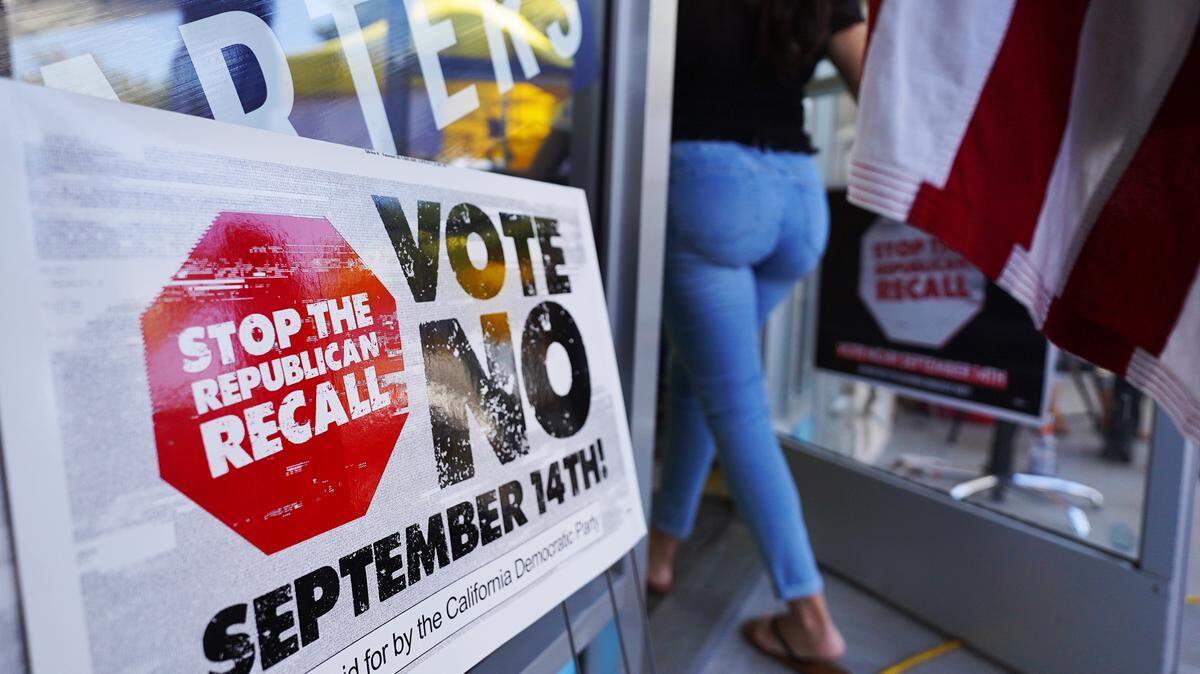
We are the families, volunteers and organizers working to highlight the serious consequences of the Gubernatorial recall election.
Away from the liberal-dominated coastal cities in the Bay Area and Los Angeles, Inland California is the battleground for Sept. 14. That’s because Republicans are actively working to slow down progress in the Central Valley and Inland Empire.
The large number of undecided voters in our region is a wake-up call for coastal Democratic and progressive donors to invest in community-based organizations in Inland California. Money and resources to grassroots organizations can serve both as a strategy to defeat the recall and towards a long-term electoral infrastructure necessary for the 2022 congressional and gubernatorial elections.
Voter turnout in Inland California is critical for Gov. Newsom and future races. In the 2020 election, Proposition 15, which would have provided $12.5 billion to schools, was overwhelmingly popular in coastal cities. It lost by 670,000 votes statewide; 300,000 of those “no” votes came from the Inland Empire alone.
When Inland California has investments, we win elections. In 2012 and 2014 we beat incumbent congressional Republicans. In 2016 we elected Eloise Gomez Reyes who became the first Latina Majority Leader in the California State Assembly. In 2018, Josh Harder and TJ Cox won two congressional races in the San Joaquin Valley. Now, recent polling shows that grassroots field outreach like ours is working, with Fresno voters rejecting the recall by a 14-point margin.
Over the last few weeks, we have contacted hundreds of thousands of voters in the Inland Empire, Coachella, and Central Valleys to wake the sleeping giant that is Latino California.
Voters are telling us that cynical public messages circulated by Republicans are causing misinformation, along with confusion, around the technicalities of the recall ballot and how it’s costing taxpayers $300 million. Registered voters in the Inland Empire and Central Valley are roughly 40 percent Democrat and 30 percent Republican. Independent and “decline to state” voters will be the tipping point.
In the shadow of Hollywood and Silicon Valley, Inland California is largely unrecognized for the economic growth we bring to the state in construction, farming and manufacturing industries and leading commercial sectors in health care, trade, and retail, the fourth largest contributors of jobs that support most of the working class.
Community organizations in Inland California provide critical infrastructure that is otherwise underfunded by state and local governments. Nearly 200 community and faith organizations were a crucial part of the state’s outreach campaigns for COVID-19 testing and vaccine roll out, resulting in getting 60% of the population vaccinated.
Communities for a New California Action Fund, Inland Empire United and partner community groups canvassing in our battleground regions are meaningful investments in political engagement that keep democracy healthy in the long run. Without robust get-out-the-vote field campaigns across the state, a radical candidate such as Larry Elder, who opposes gun control and says minimum wage should be $0, could win.
If a Republican becomes the governor, our progress to ensure community health through COVID-19 regulations, criminal and juvenile justice reforms, environmental justice, child tax credits, and worker rights will be reversed.
Our Black, Brown, and Asian communities thrive on inclusivity and camaraderie. That’s why we are working hard to defeat this recall.
Early investments in robust field campaigns expand the electorate by engaging and mobilizing voters of color who inherently support progressive policies. Our communities are motivated because we have the most at stake.
We have been the firewall against conservative extremists before. We must be, again.
This story was originally published September 9, 2021 at 11:08 AM.