
After COVID-19, let’s invest in Fresno’s potential for an economy that works for all
The economic fallout from COVID-19 is wreaking havoc on local economies and families.
Fresno’s mayor announced this week a recovery committee to determine how to safely re-start the local economy, and Gov. Newsom has announced a blue-ribbon task force to rebuild the state economy over the long-term — and in ways that better serve all residents. We’re hopeful recommended actions at the state and local levels will ensure that prosperity is shared by all Californians.
Fortunately, Fresno has a head start on creating a more inclusive economy — one that works for all residents — but that momentum is under threat with the current crisis.
That’s one reason The James Irvine Foundation is prioritizing Fresno in a new initiative that will invest $135 million over seven years in five California cities. The foundation’s goal is to ensure all low-income workers in California have the power to advance economically, and we believe that Fresno’s growing, diversifying population represents the future of the state.
The present, however, is painful. Workers who were already struggling to survive on low incomes now — with COVID-19 shuttering businesses — face layoffs, furloughs, and reductions in hours or pay.
Agriculture workers in the region are deemed essential workers, and now that job is even more dangerous than before. Farm workers and essential workers in our grocery stores and nursing homes are at greater risk of contracting COVID-19 (and passing it on to their loved ones). Most of these same workers lack paid leave, health insurance, and other employee benefits to help them survive this crisis.
Health and financial risks are not new to many Fresno workers, and they’re not felt equally. In Fresno, people of color — 73% of the population — face longstanding barriers to opportunity and are much more likely to earn low wages. The average hourly median wage for a worker of color in Fresno is $15 compared to $24 for white residents.
The pandemic has only magnified these disparities. As leaders in California confront the health, economic and social toll of this virus and begin to rebuild, they need to create an inclusive economy — one that addresses racial inequity and supports opportunity and economic mobility for all residents.
Philanthropy has a critical role to play. Fresno and the Central Valley receive far less philanthropic dollars than coastal cities, despite the need and promise in Fresno.
Over the past 15 years, the Irvine Foundation has invested $81 million to support leaders and organizations in Fresno and the San Joaquin Valley who are creating greater opportunities for residents. Most recently, we enthusiastically supported Fresno’s DRIVE initiative — a 10-year effort to develop a plan for an inclusive, equitable economy.
Now that approach is more relevant than ever, and now we’re proud to deepen our investment in Fresno as part of our Priority Communities initiative (which also includes investments in Salinas, Riverside, San Bernardino, and, starting in 2021, Stockton).
This strategy grew, in part, from what we heard during 2019 listening sessions in Fresno, where representatives of community foundations and grassroots organizations discussed the critical need to, collectively, build an economy that ensures all workers can thrive. Participants talked about the prevalence of low-paying jobs in the area (especially in agriculture and hospitality), limited opportunities to move up, and the need to invest in innovative education and career models to provide residents with pathways into higher-paying jobs.
The goal of the Priority Communities initiative is to create more good jobs that pay a family sustaining wage, provide benefits, offer advancement opportunities, ensure more low-wage workers can obtain and train for those high-quality jobs, and support effective community-based approaches to increase the availability of good jobs for all residents. We also hope to use our investment to bring in more funds from public, private, and philanthropic partners.
As Fresno looks to rebuild from the devastating effects of COVID-19, we hope that more funders — from the public, private, or philanthropic sphere — invest in efforts to listen to Fresno’s residents, act on what they learn, and support residents in creating an equitable economy that works for everyone. And, as California works to rebuild our state’s economy, we believe Fresno can lead the way.
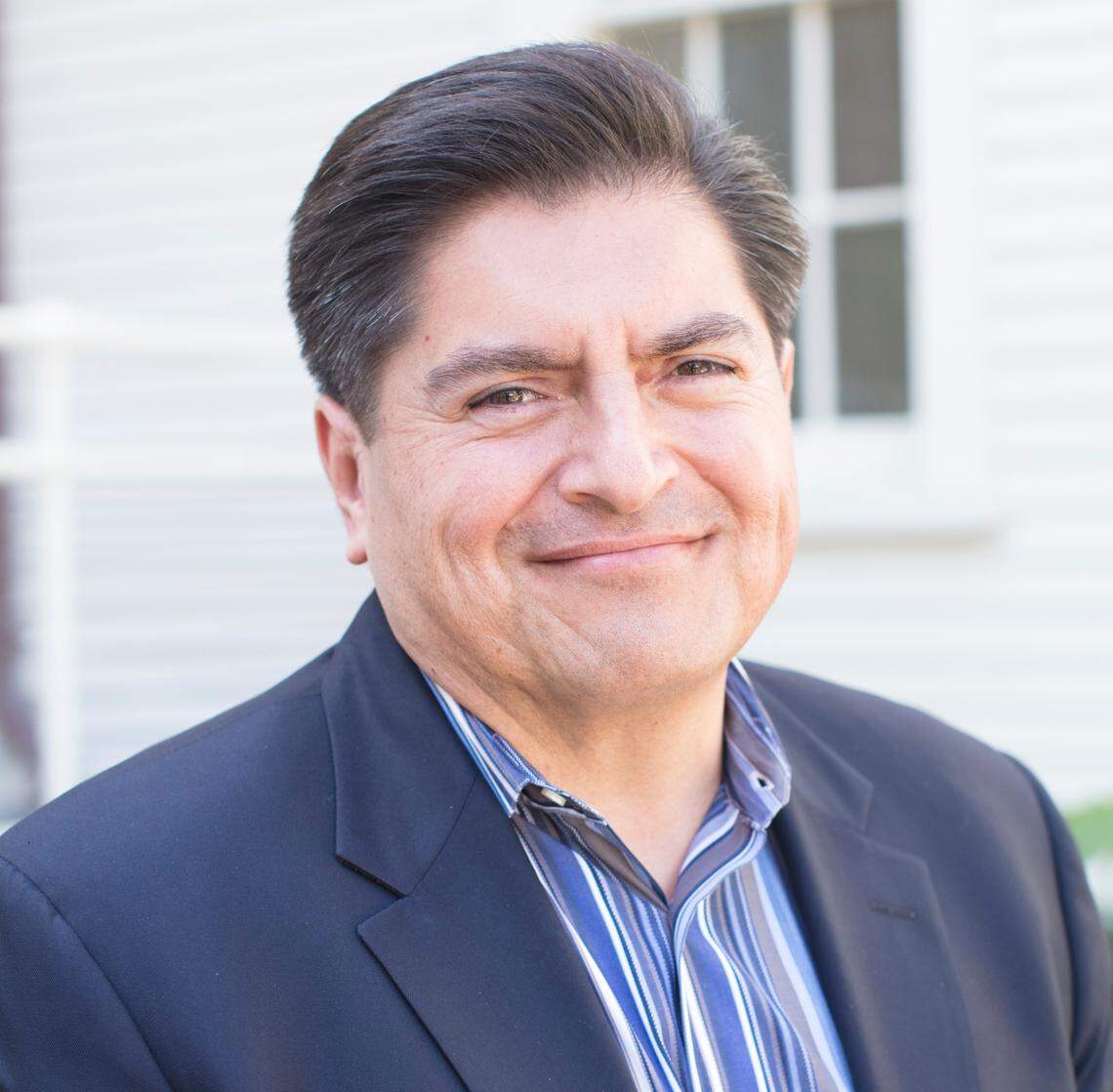
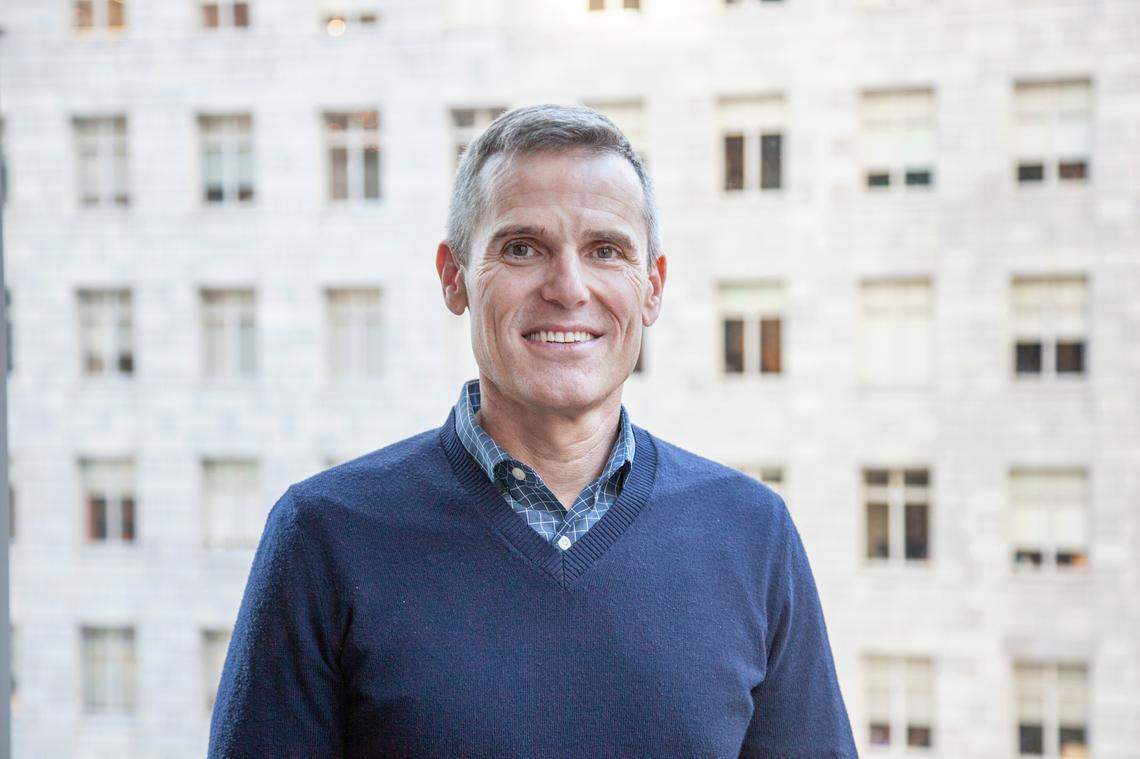
Tim Rios of Fresno serves on the board of directors for the San Francisco-based James Irvine Foundation, where Don Howard is the president and CEO.