
Fresno still dealing with the devastating effects of redlining
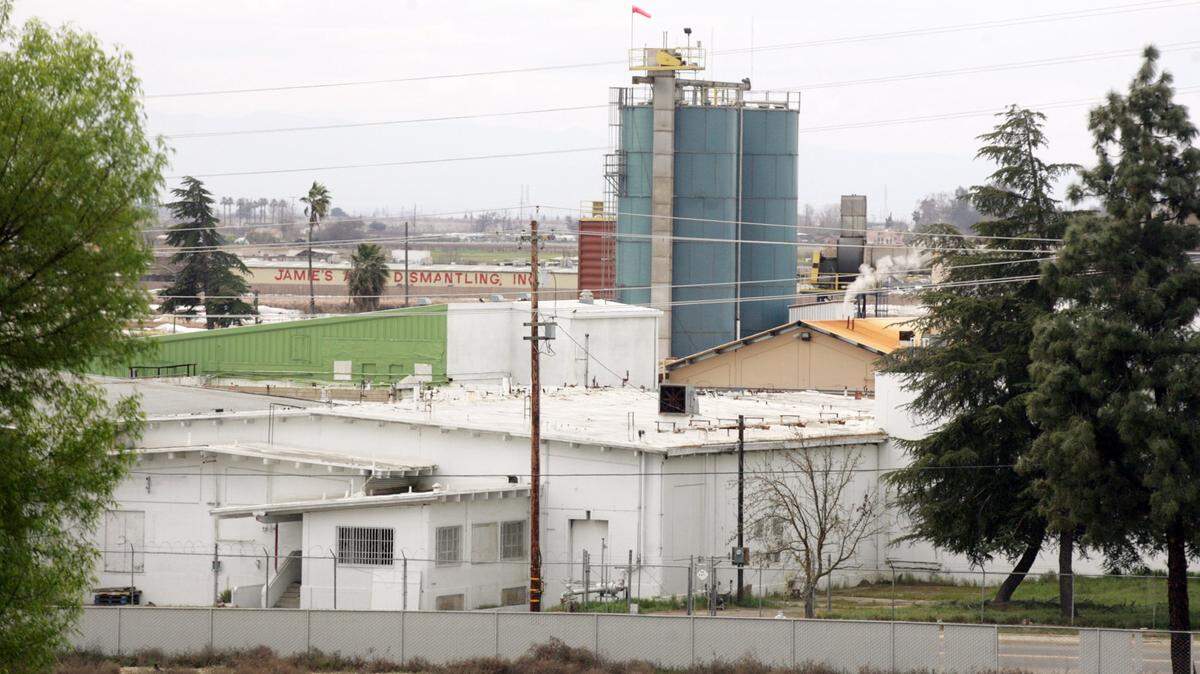
When it comes to health, your zip code is more important than your genetic code. Why? Because the conditions in your neighborhood reflect a lot about how valued you are in society. It shouldn’t be a surprise that people of color continue to be sectioned off from affluent neighborhoods in most cities in California. It was done by design.
Overt and dehumanizing acts of discrimination that took place generations ago separated neighborhoods by race and class, and little has changed to give the chronic poor a fair opportunity at the American dream. The government accomplished this with a cynical process called “redlining,” which virtually guaranteed that residents living in minority neighborhoods would not get the opportunity to improve their economic situations.
These policies of long ago have been ignored by the apologists for this unfair distribution of resources, but a recent article in The Atlantic about redlining in Fresno “rips the lid off” this history of discrimination.
And if you think Fresno, the poorest big city in California, isn’t typical, you should know the scourge of redlining and its generational results have locked in similar discriminatory practices across California.
To understand the collective inequity, you must look at the policies and practices that got us to where we are today. The Atlantic writers and researchers did just that in their look at Fresno. This important glimpse into the thinking and policies put into place decades ago still impact housing patterns, upward mobility and life expectancy.
This statement from The Atlantic article cuts to the heart of what we are dealing with today as we attempt to provide equal opportunities to those who have been historic victims of redlining: “More than 50 years after redlining was outlawed, the legacy of discrimination can still be seen in California’s poorest city.”
It’s chilling to see how government officials devalued and dehumanized people of color as they decided who would get home loans and the community investments that went to people living outside “undesirable neighborhoods.” If you lived inside the red lines on these government maps, you couldn’t escape. You were not worthy of government-sanctioned investment.
The Atlantic research confirms with the actual maps and comments from federal officials at the time what the real intention of their work was going to be. This is important journalism that gives us the historic underpinnings of how we got to today.
When federal officials went to Fresno in the 1930s to draw color-coded maps to see who would be credit-worthy enough to buy houses, they deliberately redlined minority neighborhoods, which assured that minorities would not be able to buy homes in white neighborhoods, The Atlantic reported.
The federal official drawing the maps was quite blunt in his assessment of Fresno’s racial makeup and the risks of allowing just anyone to buy a house in any part of the city, reported The Atlantic. “He noted in more affluent neighborhoods, like Fig Garden, ‘residence lots were sold under careful deed restrictions as to race.’ If a neighborhood didn’t have these restrictions, (federal official James) Helming noted they were at risk of an ‘infiltration of a lower grade population.’”
At the time, it was very easy for him to disparage whole groups of people, and then you look at our president today and you see chilling echoes of that mindset, with his comments about “shithole” countries, rapists and criminals coming from certain places. We’ve seen this sort of dehumanization before, and the results are devastating and lasting. We cannot afford to go backward, not today, not ever.
These are lessons that we must learn. We must repair and heal the damage, and then find a shared path forward for California. The issue of safe and affordable housing, and fair and inclusive community development, is one that resonates with people of color in communities like Fresno, Oakland, Sacramento, and Los Angeles.
Fresno took a step toward righting these wrongs when community residents and advocates pressured the city to allocate $55 million of the $70 million awarded to Fresno through the Transformative Climate Communities program. The funds will be going to support revitalization projects in southwest Fresno and Chinatown. These were redlined neighborhoods whose residents continue to suffer from disinvestment to this day.
This is how the overt discriminatory policies of our past are replicated in our present. Without knowing our history, these decisions can appear race neutral, but they are not. Other California cities should follow Fresno’s lead and begin righting history’s wrongs. Our health depends on it.