
Despite Trump efforts to shut them down, affinity graduations thrive in Fresno | Opinion
AI-generated summary reviewed by our newsroom.
- Fresno schools continued affinity graduations despite federal pressure to stop.
- Federal courts deemed anti-DEI funding threats from OCR unenforceable.
- Local events emphasized cultural pride, family support, and community identity.
The Trump administration huffed and puffed its way into scaring organizers of affinity graduation ceremonies into abandoning their celebrations, but there was no retreat in Fresno.
Nationally, a handful of universities — including Harvard — dropped funding of affinity ceremonies, leading graduates scrambling to organize their own events. That was in response to a February “Dear Colleague” letter from the U.S. Education Department’s Office for Civil Rights that declared all race-conscious programs illegal, and vowed to cut federal funding for any institution that didn’t comply within 14 days.
There was no hesitation locally to continue with affinity graduations in Fresno, which celebrates diversity. Fresno Bee staff writer Leqi Zhong reported that the popular ethnic graduation ceremonies would go on despite the Trump administration’s attempt to declare them “illegal.”
“In recent years, American educational institutions have discriminated against students on the basis of race, including white and Asian students,” the Trump administration letter said. “These institutions’ embrace of pervasive and repugnant race-based preferences and other forms of racial discrimination have emanated throughout every facet of academia.”
A federal judge ruled the DEI efforts to de-fund colleges and universities outlined in the letter were unenforceable. However, some colleges and universities decided to cancel affinity graduation ceremonies.
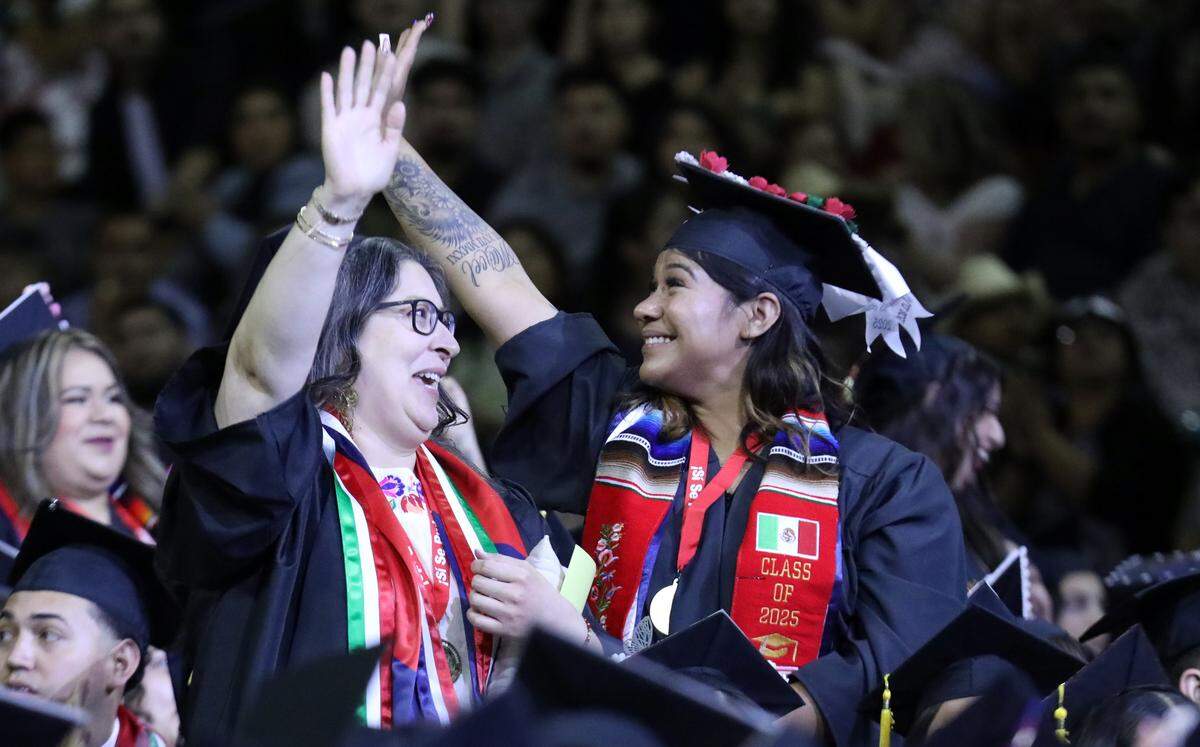
Not Fresno. Clovis Community College held its inaugural Latino graduation ceremony on Monday. Clovis and Fresno City College have also held events for Black, Asian Pacific Islander and LGBTQ+ graduates.
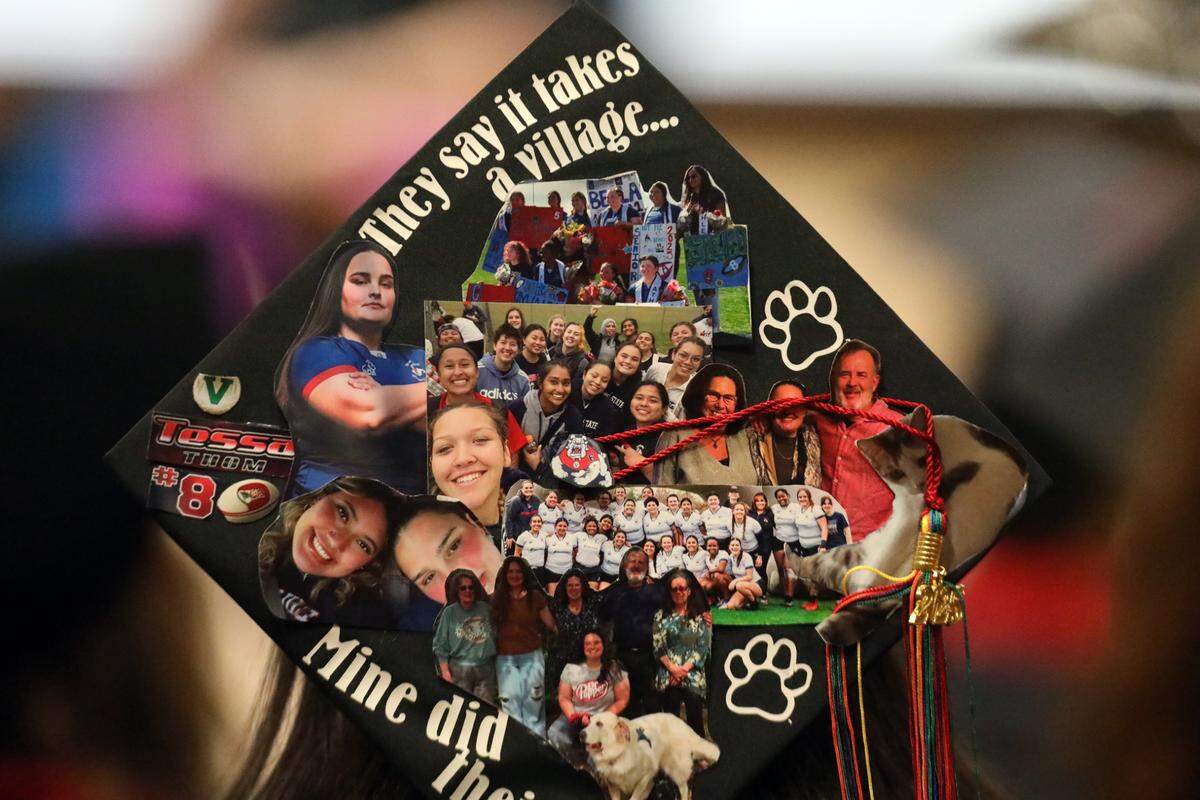
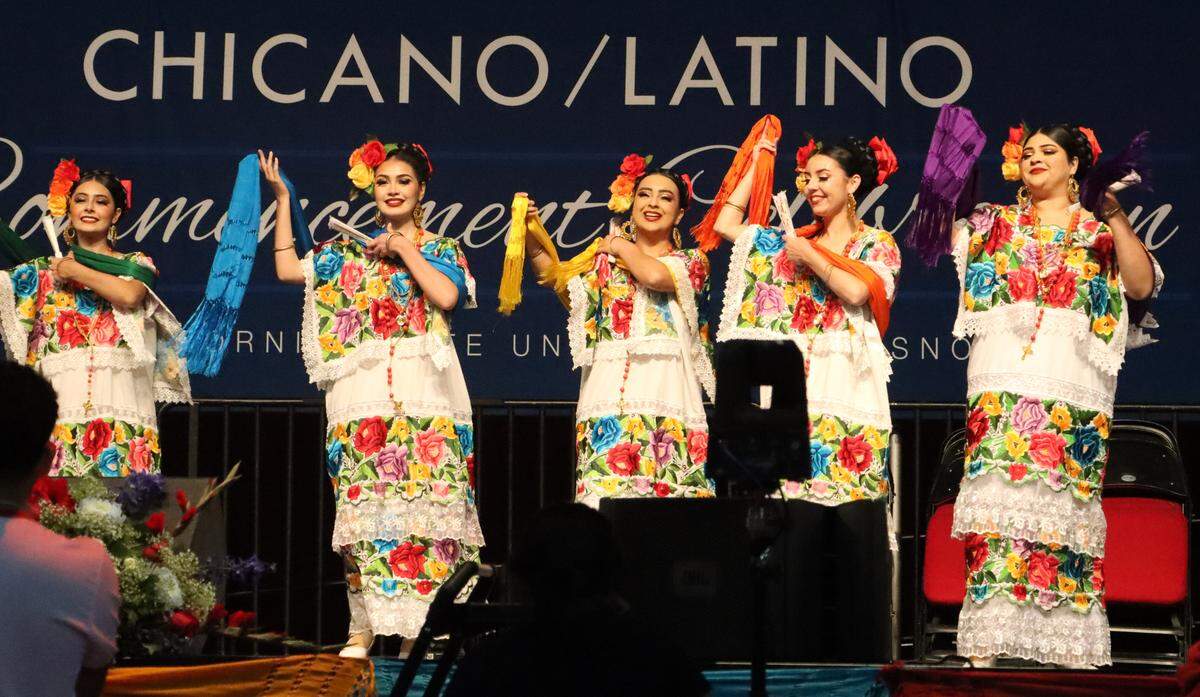
Fresno State topped six affinity graduation ceremonies last weekend with the 49th annual Chicano/Latino Commencement Celebration at a packed Save Mart Center on Saturday evening. Previous ceremonies honored Black, American Indian, Asian American and Pacific Islanders, LGBTQ+ and international graduates.
More affinity celebrations scheduled
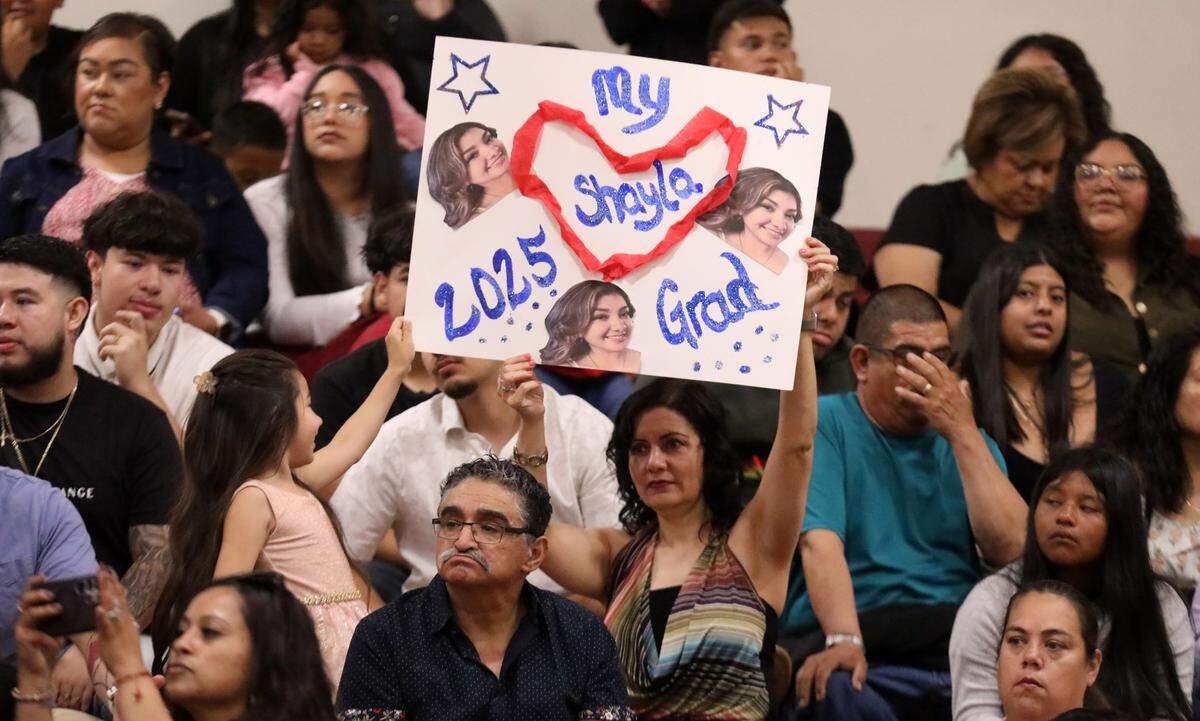
In June, Fresno Unified will host Black and Latinx ethnic recognition ceremonies on June 8 at the Save Mart Center. A celebration of Native American graduates was held Wednesday night.
“It’s a recognition of a unique journey. It’s community and family inclusion,” Fresno Unified Trustee Keshia Thomas told The Bee. “And representation matters. When you think about that, you’re talking about empowerment and visibility.
“You’re empowering graduates to celebrate their accomplishments publicly and physically, challenging the notion that success must conform to dominant cultural norms.”
Last year’s Latino celebration at Fresno State went viral on social media when a U.S. Marine Band played popular cumbias while President Saúl Jiménez-Sandoval, graduates and others joined in dancing.
For the record, none of the affinity celebrations at Fresno State are funded by the university. Dr. Víctor Torres, who organizes the Latino ceremony, raises $30,000 to cover expenses, including rental of the Save Mart Center.
A deeper sense of Àṣẹ
We don’t see why the Trump administration, or anyone who believes in the value of higher education, would try to eliminate affinity graduation ceremonies that provide graduates a chance to celebrate their accomplishments in a welcoming atmosphere.
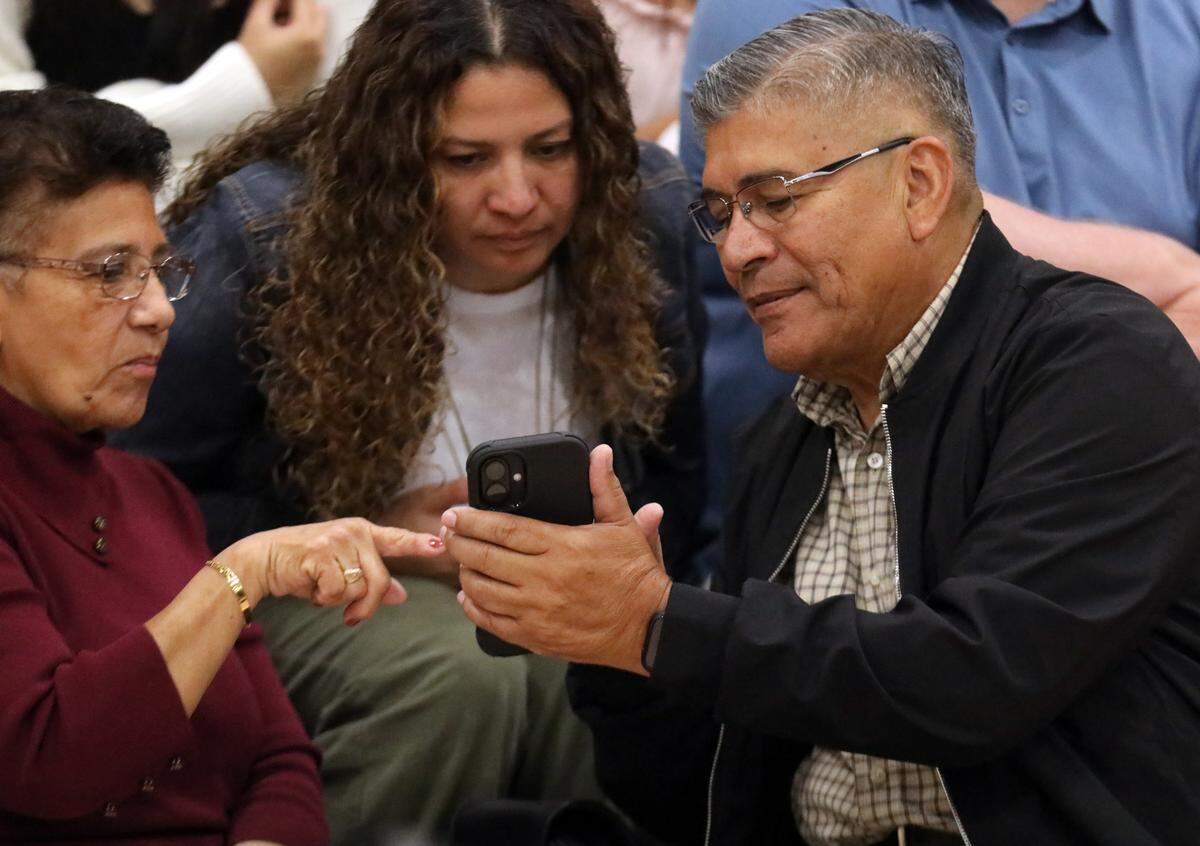
Dr. Estevan Parra Guerrero, who spoke at Fresno State’s Rainbow ceremony, said being among graduates who are like him is important. “I want the students to know that, here in this space, they have an extended family that will be rooting for them ’til the very end,” he said.
The Trump administration calls such events “a shameful echo of a darker period in this country’s history. Put simply, educational institutions may neither separate or segregate students based on race, nor distribute benefits or burdens based on race.”
It seems those opponents did not attend any local affinity celebrations. They would have discovered the word “hope” was used often by speakers.
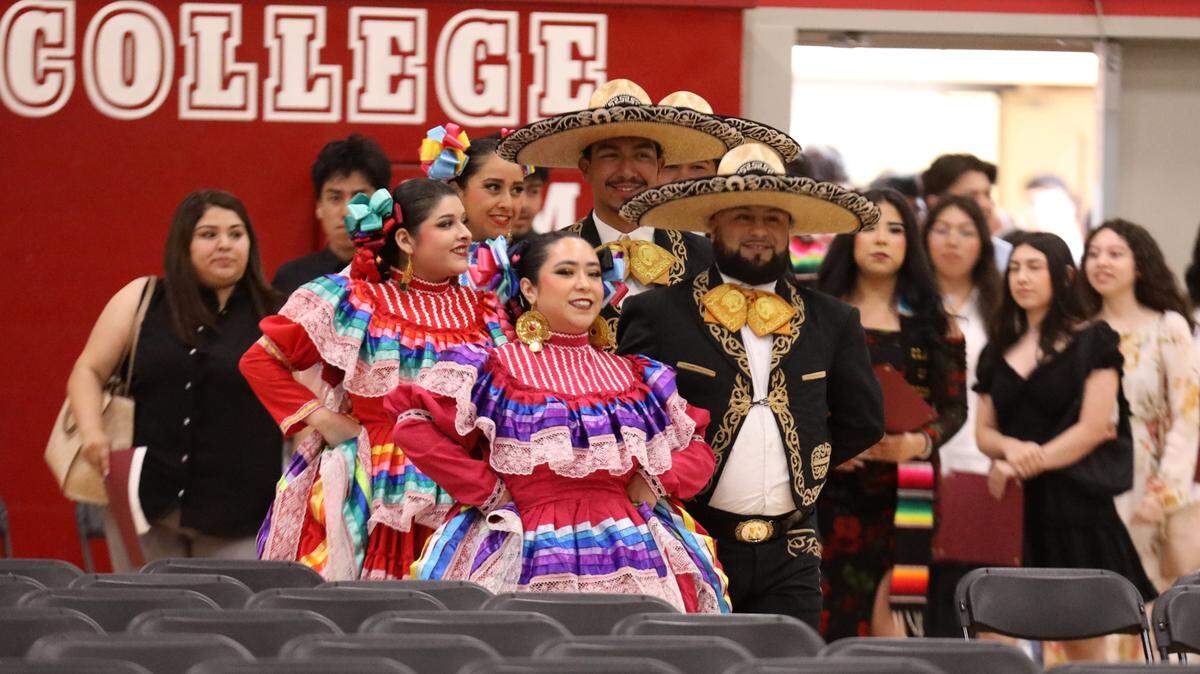
They would have enjoyed listening to the Roosevelt High mariachi perform while Mexican folkloric dancers from Compañía de Danza del Sol entertained a packed gymnasium.
They would have heard Mistique Davis implore Black graduates that “it’s time to make sense of your greatness. We may not always have the most perfect or correct moral decisions, but we can always choose to connect.”
They would have walked away with a deeper sense of Àṣẹ (pronounced “ashay”), an African philosophy that represents the power that makes things happen and produces positive change.
They would have seen the goodness of affinity graduation celebrations.
BEHIND THE STORY
MOREWhat are editorials, and who writes them?
Editorials represent the collective opinion of the The Fresno Bee Editorial Board. They do not reflect the individual opinions of board members, or the views of Bee reporters in the news section. Bee reporters do not participate in editorial board deliberations or weigh in on board decisions.
The board includes Opinion Editor Juan Esparza Loera, opinion writer Tad Weber, McClatchy California Opinion Editor Marcos Bretón and Hannah Holzer, McClatchy California Opinion op-ed editor.
We base our opinions on reporting by our colleagues in the news section, and our own reporting and interviews. Our members attend public meetings, call sources and follow-up on story ideas from readers just as news reporters do. Unlike reporters, who are objective, we share our judgments and state clearly what we think should happen based on our knowledge.
Read more by clicking the arrow in the upper right.
Tell us what you think
You may or may not agree with our perspective. We believe disagreement is healthy and necessary for a functioning democracy. If you would like to share your own views on events important to the Fresno region, you may write a letter to the editor (220 words or less) or email an op-ed (600 words). Either can be sent to letters@fresnobee.com. Due to a high volume of submissions, we are not able to publish everything we receive.
This story was originally published May 22, 2025 at 1:45 PM.