$7B road tax measure moves to Fresno County’s fall ballot for one reason: Job creation
In the months leading up to the final decision last week to put the Measure C road tax before Fresno County voters in November, there were a number of highly debated points:
▪ Had there been enough outreach to the public, especially those in low-income communities?
▪ Were cities getting enough funds to fix roads, sidewalks and gutters?
▪ Would the big tax continue the county’s highway system development and lead to more sprawl, and thus more air pollution?
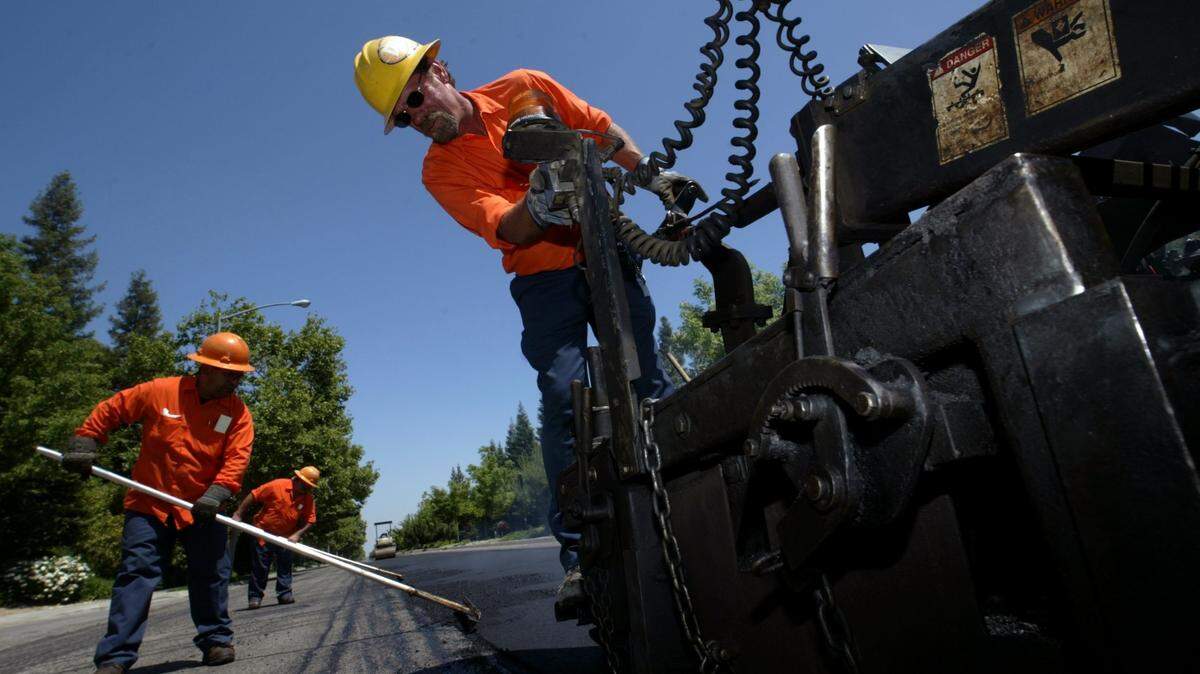
In the end, watching the Fresno City Council take its vote to endorse the measure going on the ballot, the issue came down to good, old-fashioned politics: Measure C will create construction jobs in the trade industries to rebuild local roads, and who dares to vote against that?
“We have the opportunity here to put people back to work, keep them paid, put those dollars back into the local economy, which will be game-changing for so many of the families that I serve,” said Fresno council Vice President Tyler Maxwell. “That is the biggest motivator behind my decision today.”
We in the media like to buttonhole Maxwell as a progressive, and often he is in his decision-making. But last Thursday, the wage-and-employment potential of Measure C was his focus, as it was for fellow councilmembers Luis Chavez and Esmeralda Soria. Councilmembers Garry Bredefeld and Mike Karbassi also voted to support Measure C, with Council President Nelson Esparza abstaining. Only Councilmember Miguel Arias voted no.
Even Mayor Jerry Dyer chimed in. “The local hire is huge for all of us in that we all know we need more good-paying jobs in Fresno,” he told the council. “This measure will provide that.”
Fresno was the final city in the county to back placing the measure on the ballot. The next day, the county Board of Supervisors took five minutes to make it official.
Critical road work
Local drivers know full well how badly area roads need repairs, and much of Measure C’s money will be spent to do just that.
But those fixes are not free: Measure C is a $7 billion, 30-year program based on a hike of a half-cent in the countywide sales tax.
Measure C has been around since 1986. In 2006 voters ratified it again. It was not set to expire until the end of 2027, but regional transportation officials did not want to wait for a future election, fearing a possible recession might doom its chances if the electorate was in a bad mood.
Several key community organizations pushed to delay the vote. Leaders of Fresno Building Healthy Communities and Leadership Counsel for Justice and Accountability argued that residents in low-income towns and neighborhoods needed more of a voice in the process of how to prioritize the money.
Those groups are now put into an interesting, perhaps difficult, spot: Will the organizations campaign against the measure, knowing that means going against jobs being created?
In listing his criticisms, Arias said not enough money was devoted to building sidewalks for Fresno-area schools that don’t have them even now, in 2022, as hard as that is to believe. He also was leery of future members of the area’s two main planning groups — the Fresno County Transportation Authority and the Fresno Council of Governments — changing the way Measure C monies get allocated.
Veronica Garibay, co-executive director of Leadership Counsel, also warned the Fresno council before its vote that the wording of Measure C does not require local hiring for road projects, only that it will develop reasonable steps to do so.
That did not worry the council majority, which agreed with Dyer’s assessment.
“This plan is good for Fresno residents,” he said. Then, for effect, Dyer repeated it again: “This plan is good for Fresno residents.”
This story was originally published August 16, 2022 at 5:00 AM.