
Supreme Court’s abortion ruling just the latest blow to the well-being of Valley women
The U.S. Supreme Court’s blockbuster decision last week to overturn its 1973 Roe v. Wade ruling that had made abortion legal creates a new challenge to the well-being of women in the San Joaquin Valley.
That’s because Valley women were already stressed by a number of factors that leave them faring worse than women elsewhere in California.
The majority of the justices on the court said that the individual states, not the federal government, should determine whether abortions can be done. California’s political leaders have made it clear that the Golden State will remain a place where women can receive abortions if they so choose.
But that, in itself, will present new difficulties to Valley women, experts say.
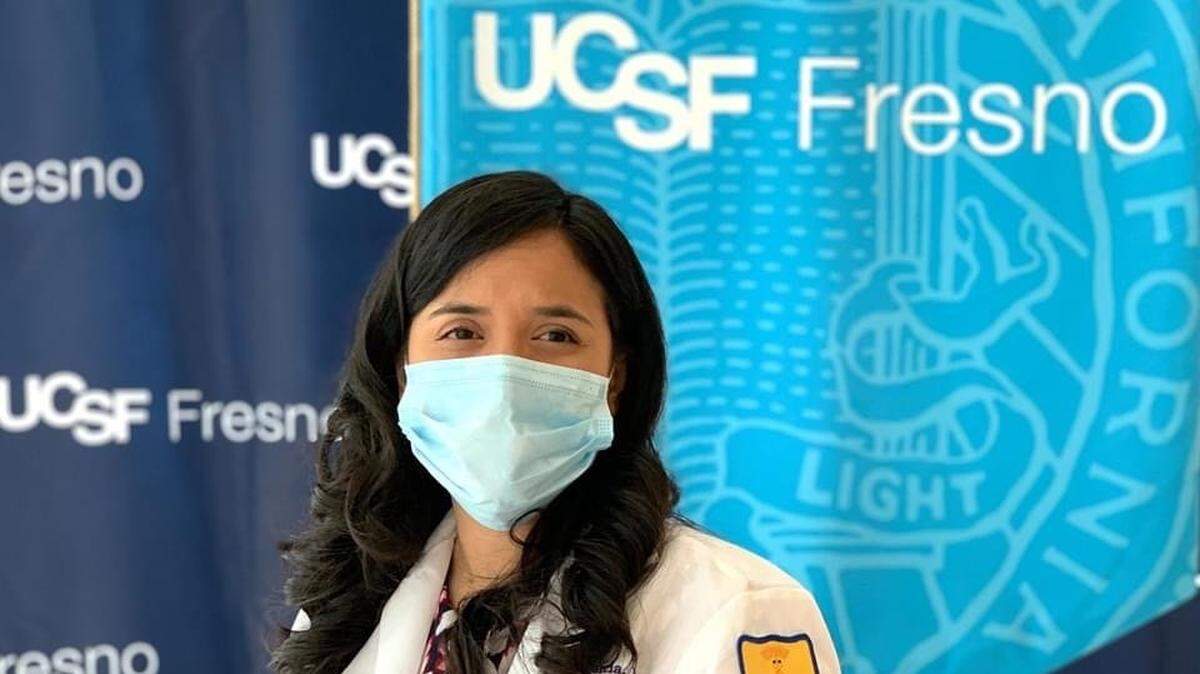
Lara Jiménez, executive director at California Latinas for Reproductive Justice, expects more women to come to California from states where abortions are now outlawed. That will create a domino effect: medical providers, already in short supply in the Valley, will be in even higher demand. Valley women will likely have to wait longer to see doctors, and may even have to go out of the area for services.
Planned Parenthood Mar Monte, which provides health care services in Central California and northern Nevada, told The Bee’s Laura S. Diaz that it expects a 3,000% increase in patients coming to California for help.
Challenging conditions
Disparities also exist in prenatal care. In an op-ed for The Bee, John Gerardi, executive director of Right to Life of Central California, cited Fresno State research that finds 77% of women in Fresno’s southern neighborhoods get prenatal care. Nearly 90% of women in the northern part of the city get prenatal services.
In certain neighborhoods in southwest Fresno, a quarter of the babies will die before their first birthday. Fresno County’s babies have lower birth weights and higher mortality rates than the statewide averages, Gerardi noted, citing the Fresno State research.
Having access to health care, especially reproductive services, is not the only challenge facing Valley women.
Poverty is a big problem, according to the California Budget and Policy Center. In its latest “Women’s Well-Being Index,” issued in October 2020, one in five Valley women subsisted in poverty in many of the Valley’s counties. When the study was done, Tulare County had the highest poverty rate for women in the state, at 23.9%.
Single mothers in Fresno, Madera and Kern counties spend more than 90% of their annual income on child care for two children.
Perhaps not surprisingly, women in Valley counties significantly lag their peers in voting and in being represented in politics. For example, of the boards of supervisors for Fresno, Tulare, Madera and Kings counties, there are 18 men and just two women currently serving.
Fresno County’s state legislators and congressional representatives are all men as well, save for Republican Connie Conway, who just got elected to serve out Devin Nunes’ expiring term, which ends in December.
Improve women’s health services
Jiménez is right: Women of means from other states will jump the line to get abortion and other health services in California, and it would be naive to think that won’t happen in the Valley. Given the political realities, male legislators need to step up and make women’s health services a priority.
More doctors, better reimbursements, more clinics — all of the above are needed. For far too long improved medical care has been a good talking point, but little of substance has resulted.
California does provide child-care support to mothers who qualify. But lower wages remain a hindrance, especially with inflation currently eating away earning power. In 2020 women working full-time made 87% of what their male counterparts earned in median salary.
Half of the Valley’s population needs significant improvement to its well-being, and the Supreme Court did not help.
BEHIND THE STORY
MOREWhat are editorials, and who writes them?
Editorials represent the collective opinion of the The Fresno Bee Editorial Board. They do not reflect the individual opinions of board members, or the views of Bee reporters in the news section. Bee reporters do not participate in editorial board deliberations or weigh in on board decisions.
The board includes Opinion Editor Juan Esparza Loera, opinion writer Tad Weber, McClatchy California Opinion Editor Marcos Bretón and Hannah Holzer, McClatchy California Opinion op-ed editor.
We base our opinions on reporting by our colleagues in the news section, and our own reporting and interviews. Our members attend public meetings, call sources and follow-up on story ideas from readers just as news reporters do. Unlike reporters, who are objective, we share our judgments and state clearly what we think should happen based on our knowledge.
Read more by clicking the arrow in the upper right.
Tell us what you think
You may or may not agree with our perspective. We believe disagreement is healthy and necessary for a functioning democracy. If you would like to share your own views on events important to the Fresno region, you may write a letter to the editor (220 words or less) or email an op-ed (600 words). Either can be sent to letters@fresnobee.com. Due to a high volume of submissions, we are not able to publish everything we receive.