
Clovis council’s denial of apartment project shows why California has a housing crisis
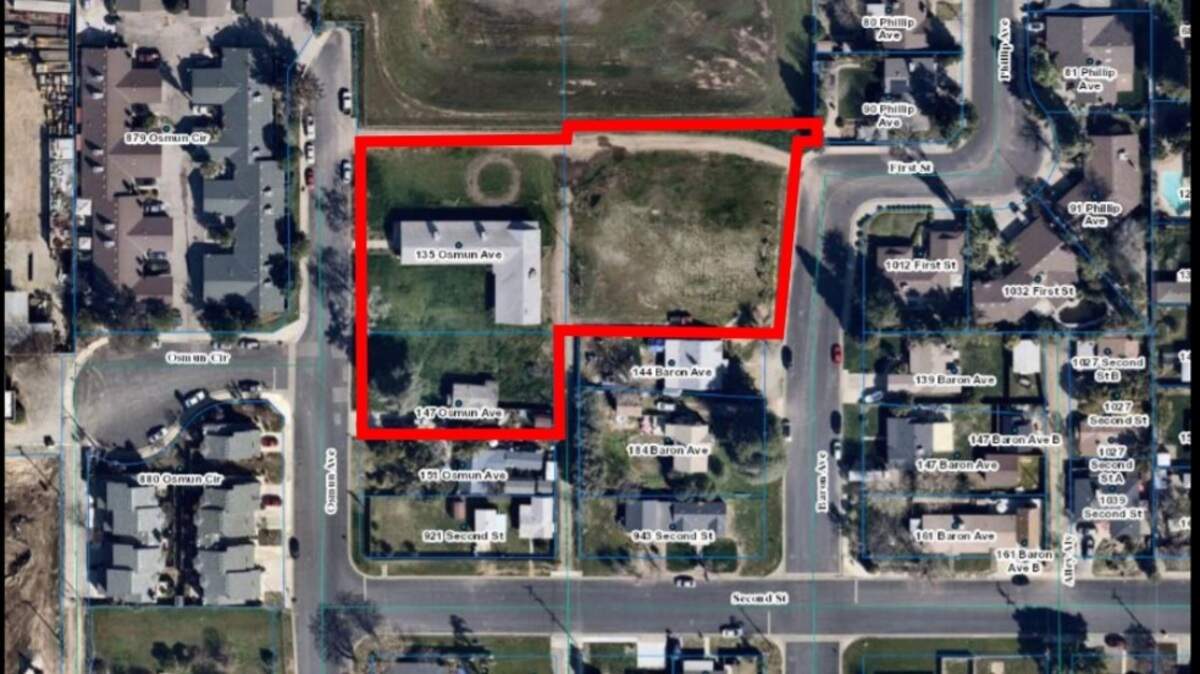
A recent denial by the Clovis City Council of a proposed apartment complex shows all too clearly why California is trapped in a housing crisis.
There is a 1.6-acre, L-shaped lot in Clovis’ Old Town between Osmun and Baron avenues, north of Third Street. To the north is a ponding basin, now dry and empty in the drought. To the east are single-family homes on Baron Avenue. More homes are south along Osmun Avenue. Directly to the west across Osmun are two town-home complexes, and an industrial business just beyond them. Adjacent to the industrial site is construction for a new city library, senior center and transportation hub.
A now-shuttered church sits on the property, its doors and windows boarded up to keep out trespassers. Also on the lot is a dilapidated home. Both create blight that hurts the neighborhood’s value.
TGP Investments LLC & Flyline Investments proposed to clear the lot and, with rezoning, put up a three-story, 40-unit apartment complex.
Two traffic studies found that the vehicle impacts would be minimal. The development’s maximum height would be no more than 35 feet, which is already allowed in the city’s residential zoning. Both city planning staff and the Planning Commission supported the project and the rezoning it required.
Old Town impact
Some neighbors worried about the impact to property values. But the units were targeted to professional tenants who would be able to afford the $2,400 monthly rent.
Those tenants would have also enjoyed walking from their homes to the heart of Old Town mere blocks away. There, they could shop and dine. That would have been an economic boost to merchants and the city’s tax collections.
Mayor Jose Flores understood this. “Old Town Clovis has become a gem and people want to be there,” Flores said. “What this development promised was that more people could be there that were going to be intellectuals, professionals, our future, that would pay high rent.”
But rather than enjoy such spending and the satisfaction of providing in-fill housing — a top priority in urban planning today — three members of the City Council denied the rezoning.
Drew Bessinger thought the traffic impacts were underestimated, especially on Third Street. Lynne Ashbeck agreed with neighbors who said the project did not fit the scale of the historic neighborhood. And the third no vote came from Bob Whalen.
Ashbeck explained that all the council members support developing the site. The no votes were over the project as proposed in what is the city’s historic heart. “This layout and architecture was not our best one-shot at that property,” she said.
Housing badly needed
Clovis carefully plans its development, and the council members are the ultimate stewards of their city.
At the same time, California is in the midst of a housing crisis that is pushing the statewide median price of a home over $800,000. In Clovis, the median home price in October was $450,000, up 14% year over year.
It is well documented that not enough housing is being built in California. People relocating from the super-expensive Bay Area and Southern California have helped drive up prices in the Valley, where housing is cheaper — but no longer cheap.
Ashbeck wants to take the long view and not push through development just for development’s sake. But that approach does not work very well in the midst of a crisis. Where will the Clovis schoolchildren of today live tomorrow?
As an added plus, the project represented multifamily, in-fill housing, making good use of vacant land already in the city, which helps reduce climate impacts.
No one wants shoddy housing to be built. The project before the council was good, and would have improved, not detracted, from the neighborhood. In this instance, the tyranny of the ideal got the better of the reality for something really necessary.