Cultural celebrations need to flourish to counter Trump’s anti-immigrant views | Opinion
AI-generated summary reviewed by our newsroom.
- Guelaguetza celebration in Madera canceled due to immigration enforcement fears.
- Fresno cultural events continue despite federal pressure and anti-DEI rhetoric.
- Trump administration targets DEI efforts and Latino education funding nationwide.
It was disappointing news for the San Joaquin Valley in June when organizers canceled a cultural celebration in Madera over fears that immigration operations would endanger the safety of participants.
“In the face of an increasingly hostile political climate and a rise in ICE raids affecting undocumented members of our community, we must prioritize safety and solidarity over celebration,” Comité Guelaguetza Madera told Fresno Bee reporter Erik Galicia about pulling the plug on the Guelaguetza event dear to the heart of the city’s huge Oaxacan population.
The decision was made as the Trump administration ramped up immigration operations in California, where groups of masked federal agents detained suspects in workplaces and on public streets.
Last week, Chicago called off a major Mexican Independence Day celebration amid President Donald Trump’s plans to deploy troops to the nation’s third-largest city as part of his vow to “clean up” cities.
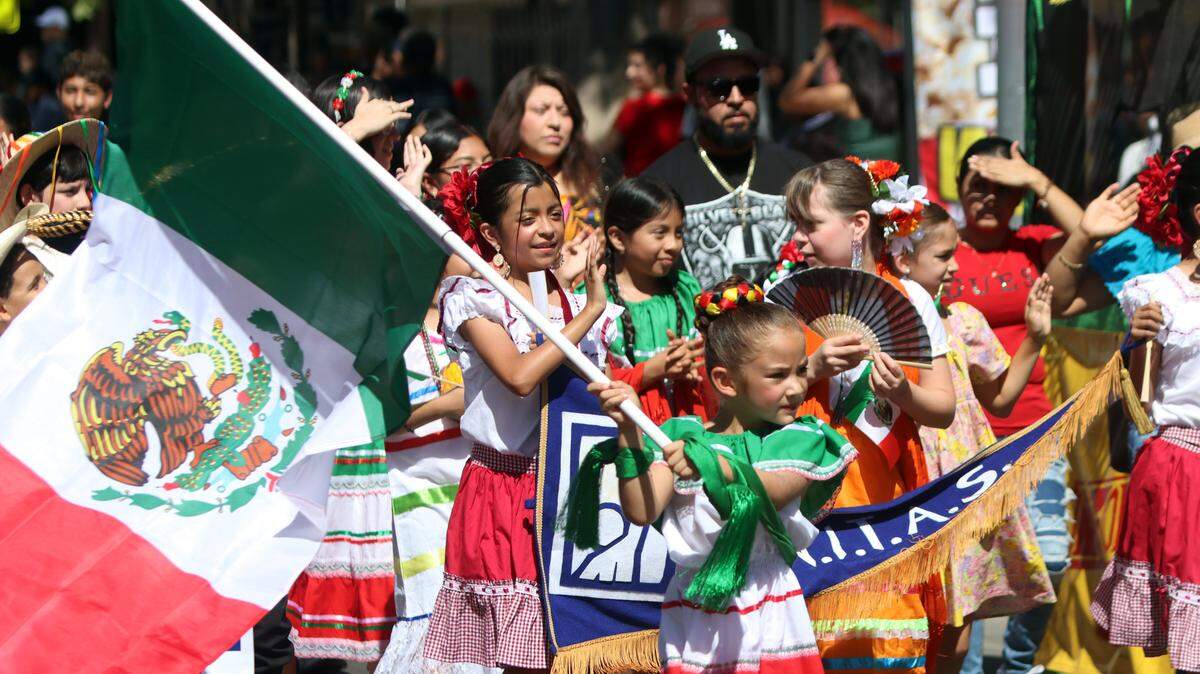
My fears that Fresno’s Guelaguetza would also be called off were dissipated when organizers announced a Sept. 28 celebration will be held at Fresno City College. Additionally, Fiestas del Valle will celebrate Mexican Independence Day with a parade, music, food and other festivities Sunday in downtown Fresno.
I’m glad these cultural celebrations will go on regardless of today’s anti-immigrant climate. At a time when President Donald Trump is painting diversity, equality and inclusion as bad for America, these cultural events are as much a part of this country as St. Patrick’s Day, the Fresno Scottish Games Festival or the Hmong New Year.
The Trump administration is trying to whitewash immigrant history by removing farmworker leader César E. Chávez’s name from a Navy ship. The Pentagon, bowing to Trump’s anti-DEI policy, removed content about Ira Hayes, a Native American Marine who helped raise the U.S. flag at Iwo Jima during World War II; Jackie Robinson, the pioneering Black superstar in Major League Baseball; and Medal of Honor and Vietnam War hero Roy P. Benavídez who saved the lives of eight soldiers while sustaining nearly 40 wounds during a 6-hour battle near the Vietnam-Cambodia border in 1968.
Trump also wants the “OUT OF CONTROL” Smithsonian to stop discussing “how bad Slavery was, and how unaccomplished the downtrodden have been.” This is a blatant attempt to rewrite the nation’s history to his liking.
“Over the past decade, Americans have witnessed a concerted and widespread effort to rewrite our Nation’s history, replacing objective facts with a distorted narrative driven by ideology rather than truth,” Trump wrote in his March 27 “Restoring Truth and Sanity to American History” executive order.
“This revisionist movement seeks to undermine the remarkable achievements of the United States by casting its founding principles and historical milestones in a negative light.”
Trump should take off his blinders
Trump and his followers have a myopic view of American history where only white pioneers, inventors and visionary leaders built the country without any assistance from people of color or immigrants.
There’s no telling how Trump will mark Hispanic Heritage Month, which starts next Monday. In 2020, Trump noted, “The Hispanic-American community has left an indelible mark on our government, culture, and economy. As part of our commitment to promoting the success of Hispanic Americans, my Administration will always promote educational opportunity for our Nation’s Hispanic-American communities.”
In his second term, Trump has failed to live up to that promise. Instead, he has threatened universities with loss of federal dollars if they promote diversity, equality and inclusion. Last month, his administration refused to defend a federal aid program for Hispanic-serving institutions that could see them lose $350 million in federal support.
Also, TRIO programs designed to support low-income and first-generation students — the majority of them minorities — in higher education are being threatened. For 60 years, those programs have a proven track record of boosting college access for millions of students.
Why cultural events are important
Last December, the Alliance for California Traditional Arts and Radio Bilingüe hosted an evening of corridos where Valley songwriters and singers spoke about their struggles, joys and resilience.
“Corridos are more than songs — they are living history, a way for communities to tell their stories, preserve traditions and celebrate identity,” said Alliance executive director Amy Kitchener. “This concert highlights the voices that shape our region and inspires us to embrace the shared threads that connect us all.”
The performers did not shy away from negative topics, like migrating to this country only to fall prey to vices and end up with nothing to send back to family in México. Or feeling like they abandoned their parents upon returning to their village and discovering they had died.
Mexican immigrants are not alone in using songs and stories to preserve their history. Black slaves used folk tales and songs to preserve their history.
Trump needs to stop trying to rewrite history in his confused vision. After all, many political analysts credit Latino support for Trump’s narrow win and return to the White House.