
Trump administration’s WIC cuts risk worsening food insecurity in California | Opinion
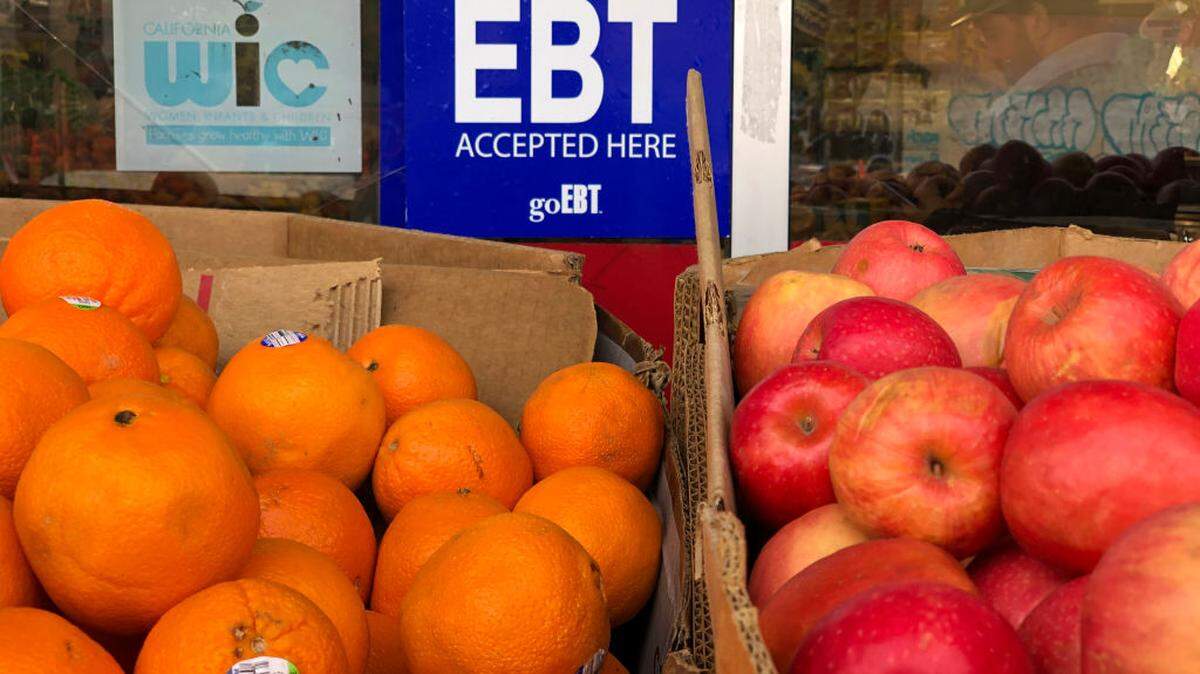
Before 2021, many parents in California had to say “maybe next time” when their children asked for fresh fruit at the grocery store. That changed when the Special Supplemental Nutrition Program for Women, Infants and Children (WIC) fruit and vegetable benefit was increased, making it easier for families to say “yes” to healthy foods that every child deserves.
WIC has provided healthy foods, nutrition education and breastfeeding support to America’s low-income families for five decades. Today, the program serves about 1 million participants each month in California and around 7 million nationwide.
President Donald Trump’s proposed federal budget, however, delivers a devastating blow to one of the country’s most effective nutrition programs for families. Among the most harmful provisions is a massive cut to the monthly fruit and vegetable benefit, reducing support for children from $26 to just $10, and reducing support for pregnant and postpartum women from around $52 down to just $13.
While the Trump administration has proposed drastic cuts to the WIC food package, the House Appropriations Committee has also put forward a separate budget plan that includes a smaller — but still deeply concerning — 10% cut to the fruit and vegetable benefit. Though less severe, this proposal is framed as a way “to begin a reset to pre-COVID levels,” ignoring both the persistent cost pressures families face and the well-documented improvements in nutrition that have followed the 2021 benefit boost.
For families trying to stretch every dollar at the grocery store, this is not a small change, it’s a direct hit to their ability to afford the fresh produce that is essential for healthy pregnancies, early brain development and lifelong health. It also undermines decades of public health and nutrition science.
WIC’s fruit and vegetable benefit was set by the U.S. Department of Agriculture in response to recommendations from the National Academies of Sciences and the Dietary Guidelines for Americans. Research shows it has improved diet quality, reduced obesity risk and led to better health outcomes for children and parents alike.
WIC’s registered dietitians routinely counsel families about the importance of fruits and vegetables to meet nutritional needs and prevent deficiencies, especially in the critical early years of life. Slashing this benefit runs completely counter to that advice.
In California, the impact of these cuts would be felt even more acutely: Our state is home to the largest WIC population in the country, and California’s local food economy has flourished thanks in part to WIC families. In 2024 alone, California WIC participants spent more than $258 million on fruits and vegetables at local grocery stores, corner markets and farmers markets. These benefits nourish expecting parents and children and sustain small businesses, retailers and farms. Cutting them by two-thirds will have ripple effects throughout the food system, hurting families, grocers and growers.
This proposal stands in stark contrast to the Trump administration’s own “Make America Healthy Again” agenda. If the goal is to promote health, reduce long-term healthcare costs, lower rates of chronic diseases and build stronger families, gutting access to fresh food sends exactly the wrong message. It will only deepen health disparities, particularly in low-income and rural communities where access to affordable, nutritious food is already limited.
This is a moment for California leaders to speak out. WIC works. It is evidence-based, community-rooted and deeply cost-effective. Undermining it is not just short-sighted policy. It’s a dangerous step backward.
This story was originally published June 27, 2025 at 6:00 AM with the headline "Trump administration’s WIC cuts risk worsening food insecurity in California | Opinion."