
America cannot afford Elon Musk and Vivek Ramaswamy’s war on remote work | Opinion
Federal workers throughout the country — including here in Sacramento — might soon have to return to the office every day.
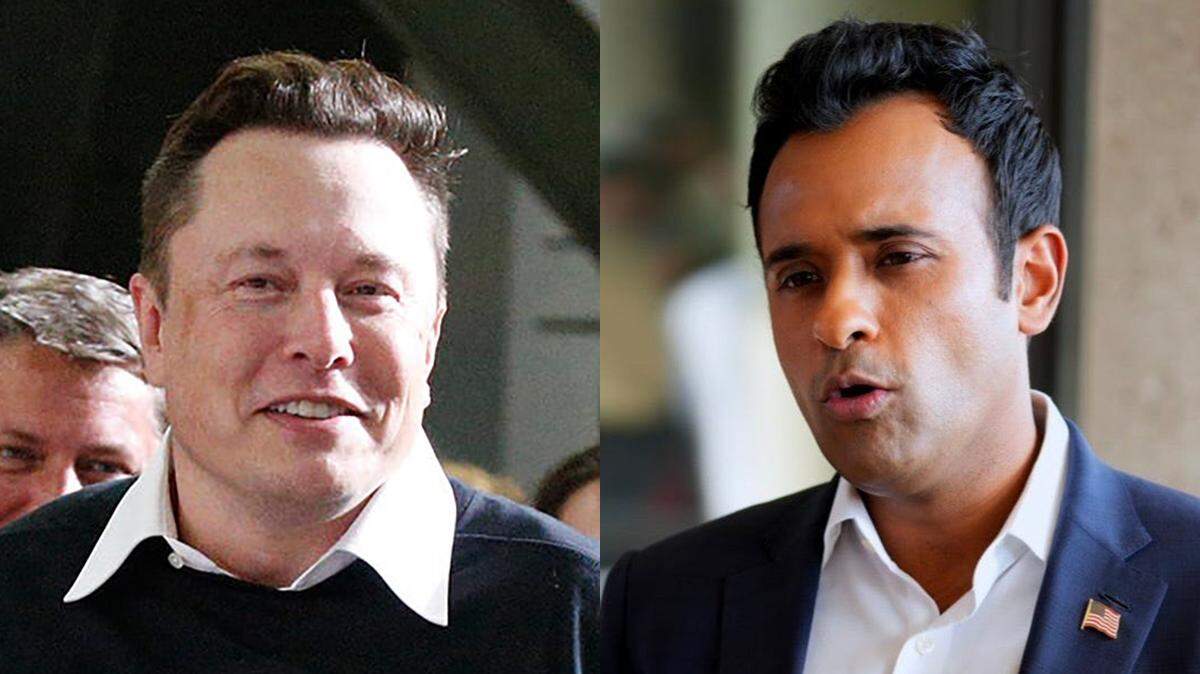
The Trump administration’s plan to force federal employees back into the office full-time has ignited intense debate, with concerns mounting about inefficiency and waste. Vivek Ramaswamy, who will co-head the new Department of Government Efficiency alongside Elon Musk, outlined the strategy during an interview with Tucker Carlson, describing it as a way to shrink the federal workforce by rescinding remote work privileges, expecting approximately 25% of employees to resign voluntarily.
This approach risks undermining the federal government’s ability to serve the public while wasting taxpayer dollars.
Ramaswamy argued that by eliminating telework and mandating strict in-office attendance, the administration could naturally reduce headcount without directly firing employees. This, he claimed, would save money and address what he called a “bloated bureaucracy” that undermines Congressional authority. Carlson, however, expressed doubts about this plan, citing strong job protections enjoyed by federal employees. Ramaswamy dismissed such concerns, asserting that revoking remote work alone would prompt resignations.
The plan hinges on the assumption that reducing payroll will streamline government operations, given that federal salaries amount to $110 billion. In reality, this proposal is economically and operationally short-sighted. The federal workforce of 2.2 million employees is responsible for managing a $6.1 trillion budget, with 1.8% of that budget allocated toward salaries (a very low number for overhead).
Moreover, this proposal overlooks the critical role federal employees play in managing vital functions across agencies such as Homeland Security, the Department of Education and the Federal Reserve. Forcing mass resignations would create skill shortages in areas requiring specialized expertise — thereby jeopardizing essential programs. Recruiting and training replacements would likely offset any initial savings and delay operational recovery. Experienced personnel, integral to ongoing projects, would leave a gap that would be difficult to fill, disrupting government services and reducing efficiency.
The federal workforce has already demonstrated the success of remote work. During the pandemic, telework enabled federal agencies to maintain productivity while cutting costs on office-related expenses like utilities and maintenance. The Office of Management and Budget reported that flexible work arrangements often enhanced operational efficiency. Reversing this progress would require significant reinvestments in office infrastructure, adding expenses that would erode any savings from payroll reductions.
Ramaswamy also tied the proposal to broader regulatory reforms, arguing that reducing the workforce would enable a rollback of federal regulations and claiming that up to 50% of existing rules could be deemed invalid if written by unelected officials. While this argument may resonate with critics of bureaucracy, it ignores the complexities of governance and the importance of institutional expertise. Federal employees are not simply rule-makers; they implement the policies Congress passes, ensuring the smooth operation of programs relied upon by millions of Americans, from Social Security benefits to disaster response.
The ripple effects of this plan extend beyond the federal workforce itself. Morale among remaining employees would likely plummet as workloads increase and institutional knowledge dissipates. This could trigger further resignations, creating a cycle of inefficiency. Industries dependent on federal oversight would face delays, while businesses and state governments could experience disruptions in critical services. These consequences would compound the challenges of managing the budget, diminishing the effectiveness of federal spending and exacerbating waste instead of reducing it.
A more effective approach to workforce reform would involve targeted solutions rather than sweeping mandates. Modernizing outdated systems, leveraging technology and embracing remote work where it has proven effective could reduce costs without undermining service quality.
Forcing federal employees back into offices full time indiscriminately ignores the nuances of their roles and the risks associated with dismantling critical programs. Taxpayers would ultimately bear the burden of these costs, negating the fiscal prudence the plan purports to achieve. The federal government must prioritize reforms that protect taxpayer dollars while ensuring its ability to serve the public effectively.
This story was originally published December 17, 2024 at 10:13 AM with the headline "America cannot afford Elon Musk and Vivek Ramaswamy’s war on remote work | Opinion ."