
Joe Matthews’ ‘modest’ proposal: Give high-speed rail to homeless Californians| Opinion
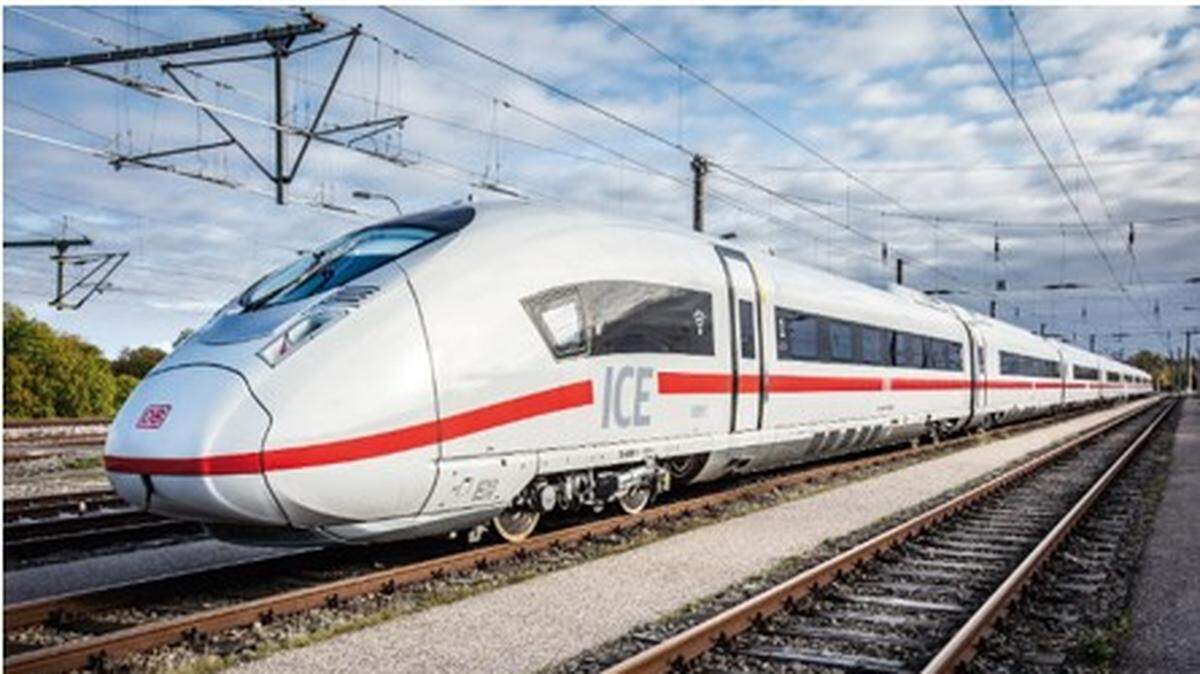
California is spending billions to house its increasing population of unhoused people. But it hasn’t come close to its ambitious goal of ending homelessness. And many Californians have lost hope that it ever will.
California is spending billions to construct a high-speed rail system. But it hasn’t come close to completing an actual line. And many Californians have lost hope that it ever will.
In the face of such failures, what is to be done? One option would be to surrender, concluding that mega-projects are too challenging here.
Or we could steel ourselves and embrace the wisdom of Dwight Eisenhower, who advised: “If a problem cannot be solved, enlarge it.”
In Ike’s spirit, I suggest we combine the big problems of homeless housing and high-speed rail into something larger.
I hereby propose — very modestly — Homeless High-Speed Rail.
You read that right. Finding permanent lodging for unhoused people would become the new, urgent mission of our high-speed rail authority.
Under Homeless High-Speed Rail, the state’s unhoused people would no longer have to live in cars, shelters or encampments. Instead, everyone would have the option of a sleeping-car berth on a brand-new bullet train.
Sure, this fusion might create some challenges. But might it solve even more problems?
For example: Advocates have long criticized California for its mishmash of competing homelessness initiatives, and for insufficient funding for local solutions. My proposal solves all that by consolidating every single state and local homeless housing program under one single state agency: the California High-Speed Rail Authority.
Now, some cynics might call that combination crazy — a mere merger of two giant dysfunctional money pits. And they wouldn’t be entirely wrong. The state has spent more than $20 billion on housing and homelessness since 2019 — but the number of unhoused Californians has grown by one-third. Meanwhile, the high-speed rail project has secured $25 billion — but is still $10 billion short of the $35 billion required to complete its first Central Valley segment from Merced to Bakersfield.
But, instead of spending massively on the land, labor, and permitting for homeless housing — Los Angeles pays $800,000 for some units — California could spend that money on rail cars that provide housing, leaving more funding to build rail. That’s a win-win!
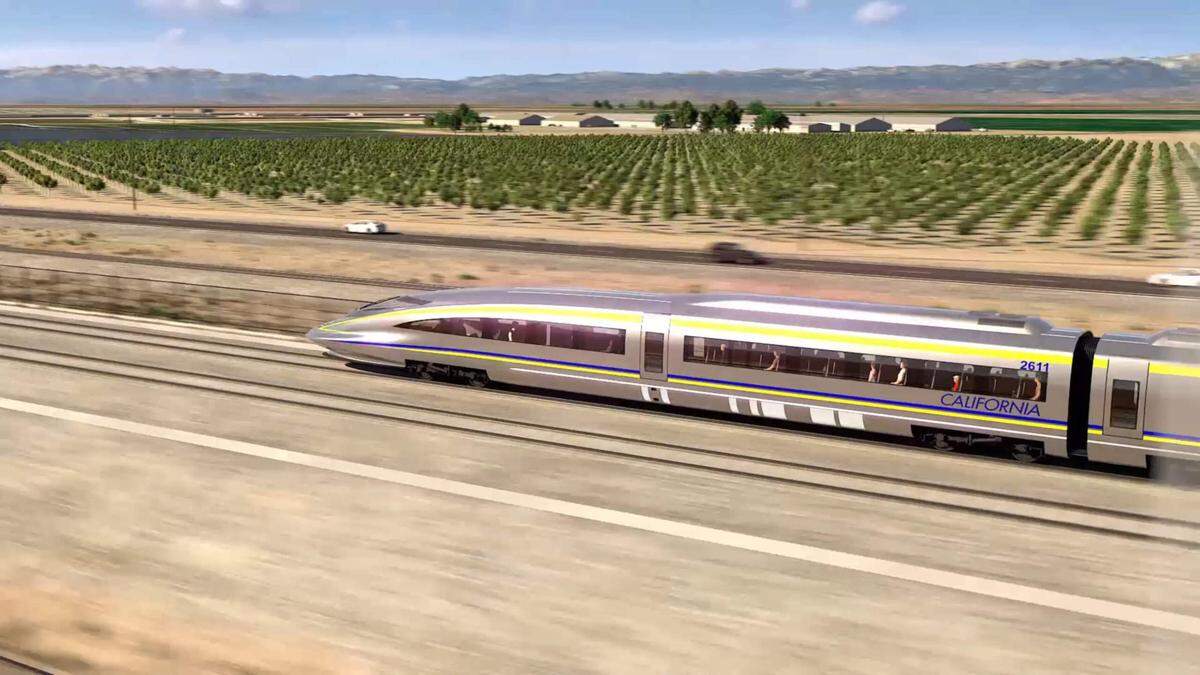
Combining homeless housing and high-speed rail also could answer objections that dog both programs.
For example, cities often can’t build homeless housing because of opposition from neighborhoods. But NIMBYs would lose their backyard objections when housing for the homeless zooms past at 200 mph.
Meanwhile, hosting homeless Californians answers persistent questions about whether there would be enough riders to support the project. In a Homeless High-Speed Rail project, unhoused individuals would provide a large and steady ridership base.
Strange as my proposal may seem, almost nothing about it is new.
Keeping homeless people constantly on the move sounds cruel, but this is already established policy across California, since communities constantly tear down homeless encampments, forcing unhoused people to keep relocating. And if you board local transit systems in the state, you’ll see that individuals without homes are California’s most dedicated train riders, because of the low-cost shelter they provide.
Of course, there will be some Californians who object to the whole concept, finding it perverse. These misguided moralists, a few of them columnists, will say that California is a rich place that can afford to house all its people and to build the high-speed rail systems that other countries enjoy.
In theory, these skeptical Californians will probably be right. But California doesn’t operate on theory. It operates on unmanageable budget processes, a volatile tax code, and a broken governing system. Since California refuses to fix these systems, it will never have enough housing for the homeless, or a high-speed spine for its transportation networks.
So, before you dismiss my modest proposal, ask yourself: In the face of massive failures, when doing big, essential things is nearly impossible, is any idea too awful to take off the table?
.JPG "IMG_FBEE_2020_JOE_MATHEW_2_1_T8I3TLMR_L556374580 (1).JPG")