
After quick storm break, another atmospheric river bringing rains, wind to Fresno
Friday was a calm, if not foggy, change in the Fresno area after several days of stormy weather ran through the central San Joaquin Valley and battered areas of the state to the north and south and along the coastline.
It was a quick respite and may be the only one for the near future.
The National Weather Service is calling for another low pressure system to enter into the region Saturday. Light rains are expected most of the day, but things could pick up by the evening and a flood watch has been issued for most areas below 6,000 feet starting Saturday night.
Another storm follows early Monday. And that one is getting attention.
“This second storm will be much stronger and accompanied with another robust atmospheric river that will produce more widespread heavy rain with rising snow levels,” the NWS said in its area forecast discussion Friday. There will be accompanying winds, but nowhere near the 106-mph gust seen on the Grapevine on Wednesday.
This will be followed by a third low pressure system late Thursday, meaning there are chances of rain into next Friday.
“The Climate Prediction Center continues to show above average precipitation in our forecast area for the 8-14 day outlook. Their latest 8-14 day hazards outlook now shows a moderate to high risk of heavy precipitation for next Friday until the following Sunday,” the weather service wrote.
“So the very active regime continues.”
How much rain has Fresno gotten?
Fresno has received more than a inch of rain in the New Year so far, with another half inch expected through Sunday, according to stats from the NWS. That already makes this the wettest January since 2019 and on pace to be one of the wettest in the past 20 years.
While there has yet to be reports of any widespread flooding in the area, the storms have prompted precaution measures.
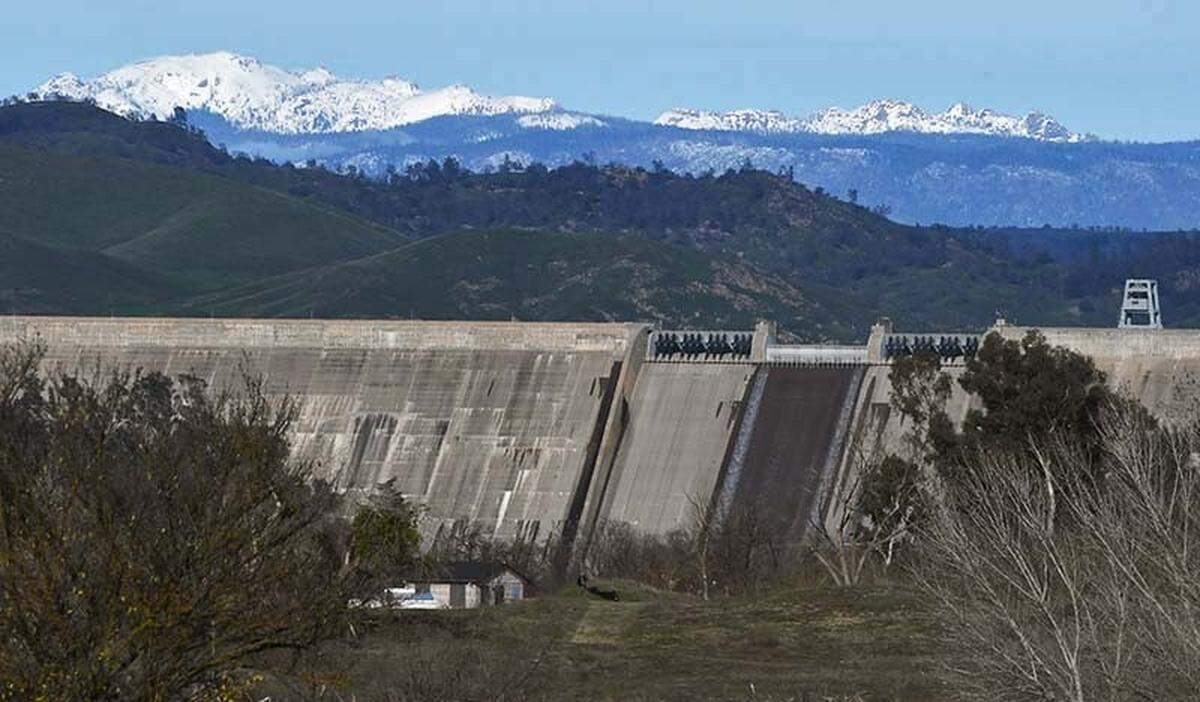
The Bureau of Reclamation announced Thursday it would increase releases of water from Friant Dam into the San Joaquin River to make room for possible inflow from the storms. The water is currently being released at 1,600 cubic feet per second (up from 600) and will increase to 4,500 cubic feet.
“Landowners and recreationists are cautioned to be aware of stage changes that that may occur in the San Joaquin River and Millerton Lake,” the bureau said in a statement.
This story was originally published January 6, 2023 at 1:59 PM.