Rain, snow are set to fall in Central California. How much is headed to region and when?
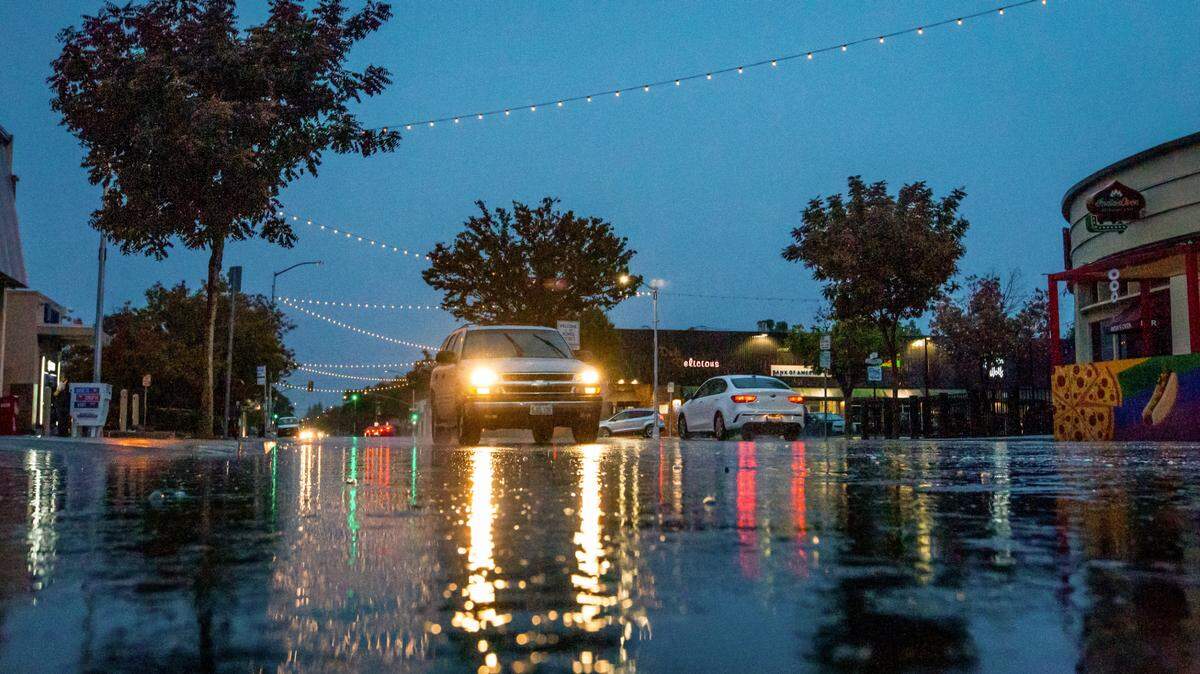
Fresno has received 1.3 inches of rain since January, about 15% of what would be normal in the calendar year through early November.
But with a major storm barreling toward the central San Joaquin Valley, “we are certainly going to catch up some on that in the next couple of days,” Jim Bagnall, a National Weather Service meteorologist in Hanford, told The Fresno Bee on Sunday. “It will be a nice taste of fall or early winter-type weather.”
Clouds on the leading edge of the storm system arrived Sunday morning and were expected to continue building through the day. From overnight Sunday through Wednesday morning, the bulk of the storm could dump as much as 1.5 inches of rain on Fresno, Bagnall said.
On the Valley’s west side, the forecast calls for about a half-inch of rain, with greater amounts moving east toward the Sierra Nevada.
“Right now we’ve got some cloud cover and a few light sprinkles, but the real rain will come overnight into the early morning hours Monday,” he added. Waves of rain are expected to continue with showers and possible thunderstorms on Monday afternoon, with some of the heaviest rain expected Tuesday.
The storm brings with it the prospect of winds with gusts up to 15 to 25 mph on the Valley floor and even stronger in the mountains. “It’ll be pretty miserable to be outside during that,” Bagnall said.
The rainfall season that began Oct. 1 has seen a scant 0.14 inches in Fresno, compared to a normal amount of 0.68 inches through the first five weeks of the season. If this storm plays out the way forecasters expect, it would put Fresno well ahead of the seasonal normal.
On the Valley’s east flank and into the Sierra Nevada, foothill locations below about 4,000 feet in elevation may expect to see as much as three to four inches of rain over the next couple of days.
A winter storm warning will be in effect starting Sunday afternoon through Wednesday morning.
At higher elevations, the storm is expected to bring “a good dump of snow up there,” Bagnall said – potentially as much as four to six feet at elevations above 7,000 or 8,000 feet. Lesser amounts of snow, perhaps one to two feet, could fall in locations at the 4,000- to 5,000-foot level.
To the south, enough snowfall could accumulate to cause traffic issues through mountain passes such as the Grapevine through Tejon Pass or the Tehachapi Pass between Bakersfield and Mojave. Bagnall said those snow levels are most likely overnight Tuesday.
This story was originally published November 6, 2022 at 10:38 AM.