
Will California AG Rob Bonta finally demand accountability in immigration facilities?
As a Democratic Assemblymember, Rob Bonta led the fight to end the use of privately owned and operated prisons and immigration detention centers in California. He has said that private prison companies engage in “profiteering on the backs of people” by prioritizing revenues over the health and welfare of inmates and detained immigrants.
Now that he is California’s attorney general, I was eager to find out if Bonta would continue pushing for accountability and transparency in private, for-profit immigration detention centers. During a recent phone interview, I asked what he plans to do to ensure oversight of these facilities.
“We will certainly be actively using the tools that the (Department of Justice) has at its disposal,” Bonta told me. His role is to “enforce the law,” he said, and pointed to several pieces of legislation — including some he had authored — that he could utilize to “help ensure accountability, oversight and appropriate attention to the health, safety and welfare of Californians in these detention centers.”
It’s true that as the head of the state’s Justice Department, Bonta is now responsible for interpreting and enforcing state laws, rather than crafting them. Still, his response was more measured than what I’d come to expect from one of the most — if not the most — strident legislators with a history of speaking out against private prisons and detention centers.
It’s logical for politicians to tone down their rhetoric when they transition from the Legislature to statewide office, said Christian Grose, academic director of the USC Schwarzenegger Institute for State and Global Policy. In Bonta’s case, he’s now representing the interests of all Californians, not just his heavily Democratic Assembly district, which included Alameda, Oakland and San Leandro, Grose said.
“He’s just got to temper his language, because there’s a new set of voters that he has to worry about now,” Grose said. “Being a statewide official is just a completely different ballgame than being a state legislator.”
‘End run’ to detention centers
I first interviewed Bonta in October 2019, when I was reporting on immigration for The Desert Sun newspaper in Palm Springs. Gov. Gavin Newsom had just signed Bonta’s landmark bill phasing out private, for-profit facilities in the state. Days later, federal immigration officials began rushing to secure new contracts with private prison companies operating in California. The federal government inked long-term, multibillion-dollar contracts with the companies just two weeks before AB 32 took effect on Jan. 1, 2020 — a move that Bonta recently called “a full end run around the federal procurement process” that went “against the will of the people in California.”
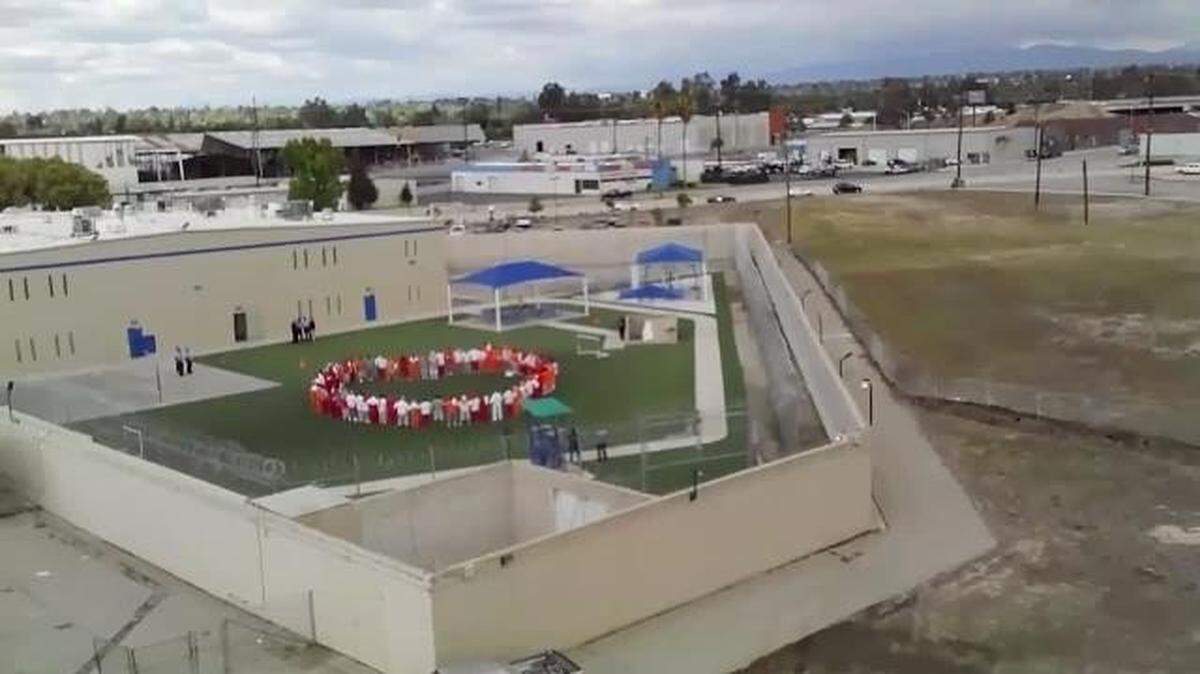
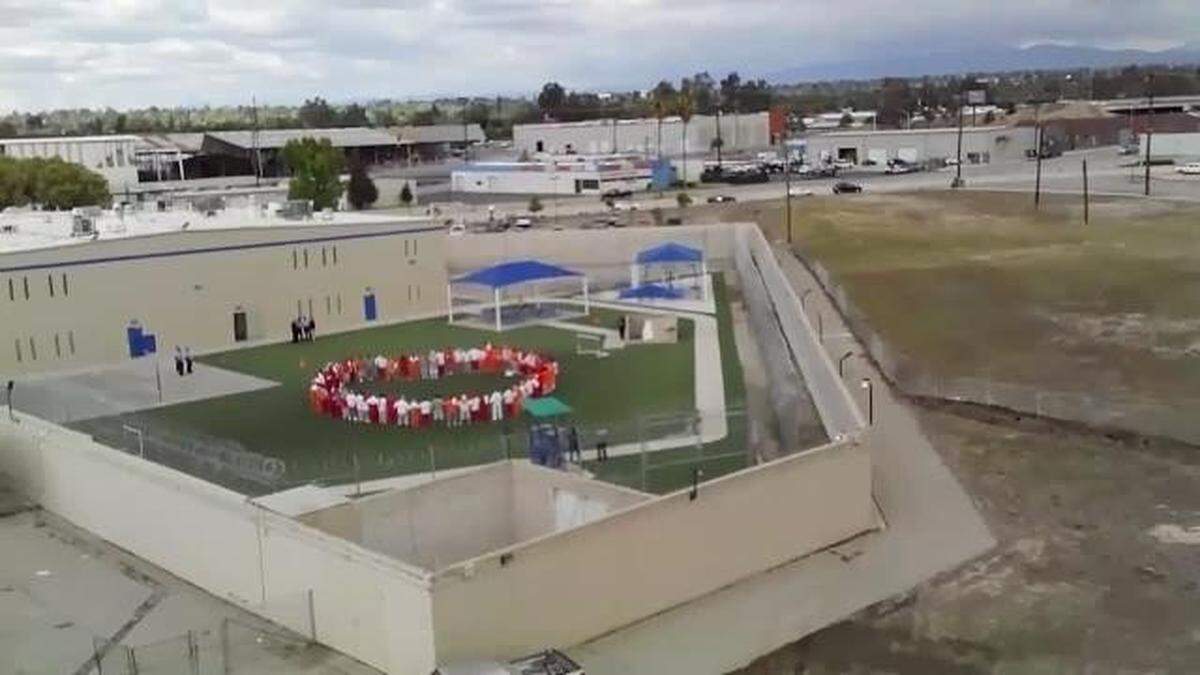
Among those contracts was a 15-year agreement between U.S. Immigration and Customs Enforcement and prison company The GEO Group for the Mesa Verde ICE Processing Center in Bakersfield. The contracts also incorporated two GEO-owned prisons in McFarland that the company hoped to convert into annexes for the detention center.
After that, Bonta authored another bill intended to rein in private prison companies. Signed by Newsom in September 2020, AB 3228 requires operators of private prisons and detention centers in California to abide by the standards outlined in their contracts with the state and federal governments.
“They are not supposed to be here — they are supposed to be phasing out,” Bonta told me at that time. “But to the extent that they are allowed and survive whatever challenges, they need to be regulated, there needs to be oversight and there needs to be accountability.”
With Bonta’s demands for oversight in mind, I asked him last week if he intended to heed calls to investigate the May 2020 death of Choung Woong Ahn, a 74-year-old man with a documented history of mental illness who died by suicide while in medical isolation at GEO’s Mesa Verde facility in Bakersfield.
Three California legal service agencies in February called on then-Attorney General Xavier Becerra to investigate the death, as well as the health and safety of detention centers like Mesa Verde, and hold private prison companies civilly and criminally liable for actions that violate the terms of their federal contracts. They renewed their call earlier this week, on the one-year anniversary of Ahn’s death, and said Bonta should conduct the investigation.
Bonta’s response to my question was concise: “I’m not fully briefed on what the Department of Justice has done and what the current status is, but that’s something I’ll look into,” he said.
A takeaway from my interview was that Bonta was quick to list the laws at his disposal, but short on specifics for how he would put them into practice.
Detention’s future
So what does all of this tell us about how Bonta will approach immigration detention?
As Bonta pointed out, he and other state legislators in recent years passed several laws aimed at curbing private immigration detention centers in the state. Among them is a 2017 measure that strives to increase accountability in immigration detention centers by requiring the attorney general to review conditions in all facilities in the state. I’ll be interested to see if Bonta uses the authority granted to him by this law and others to bring about the transparency and oversight in private immigration detention centers that he’s long demanded.
The stakes are high, as Bonta noted during our conversation.
“They are wrong for California, they are wrong for people, it is wrong to profiteer on the backs of people,” he said of private immigration detention centers. “To decrease investments in human beings, including investments in health care, due process, safety and welfare to maximize profit, is just fundamentally wrong and not who we are or who we should be.”