
First-of-their-kind ancient homes found in China and three more discoveries
The summaries below were drafted with the help of AI tools and edited by journalists in our News division. All linked stories were reported, written and edited by McClatchy journalists.
Throughout history, cultures have left behind a trail of breadcrumbs for archaeologists to follow. New sites and artifacts are found all the time, revealing forgotten secrets of the past.
Here are some of the latest discoveries:
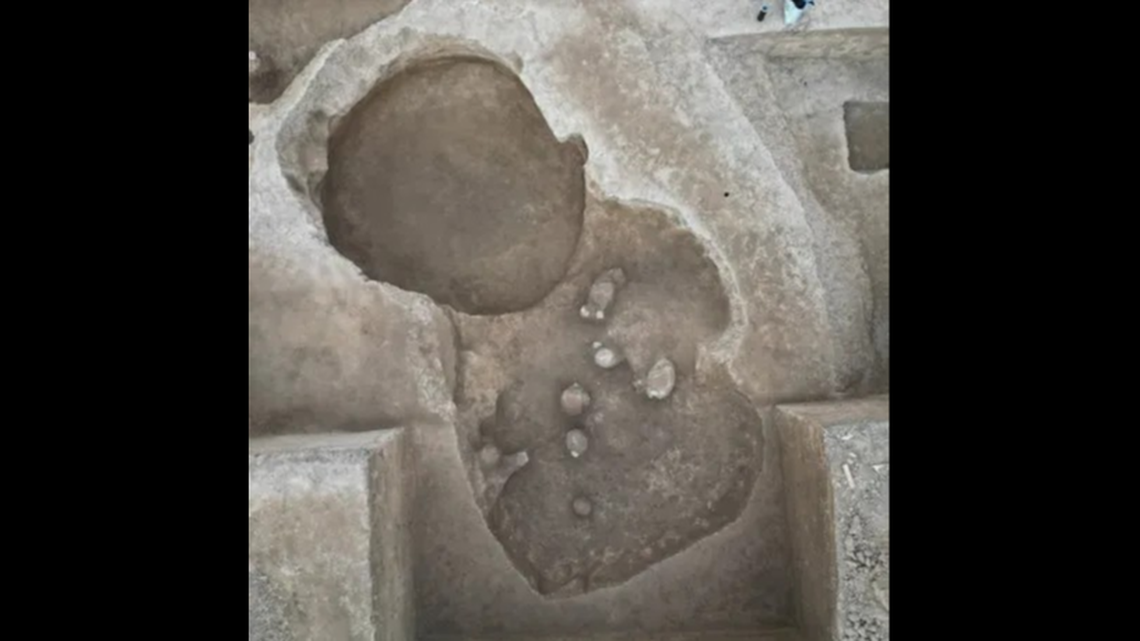
5,000-year-old homes — a first-of-their-kind find — unearthed in China. See them
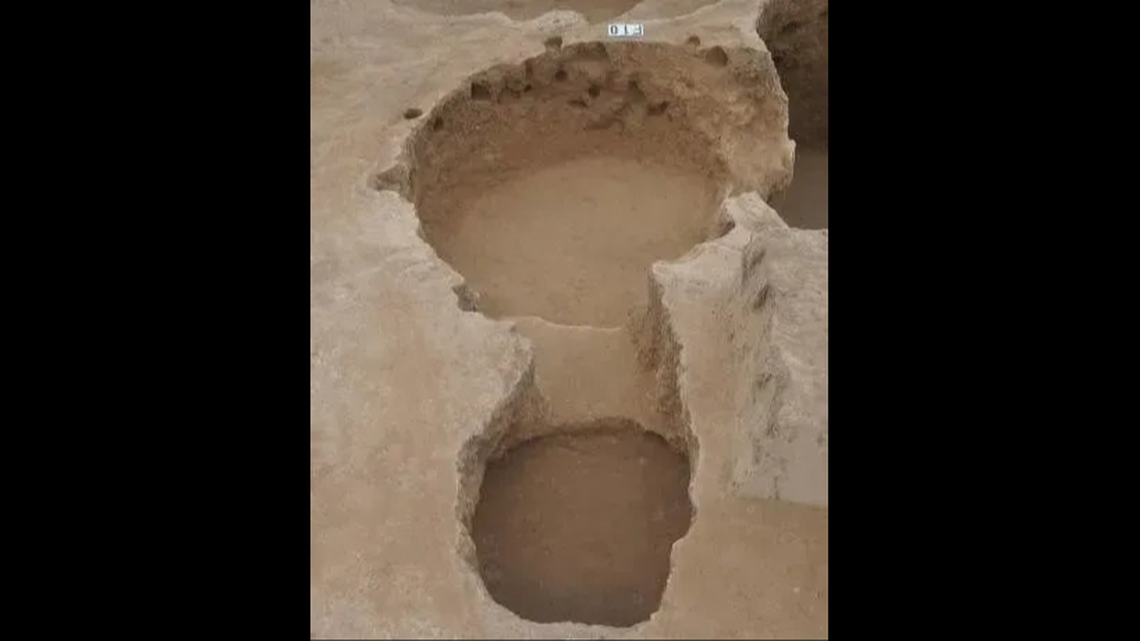
In Xianyang, China, archaeologists uncovered the remains of ancient homes dating back to the Yangshao period, around 5,000 years ago. The excavation revealed 19 house foundations with unique circular designs, showcasing various room configurations, including single, double, and multi-room constructions. This discovery offers a glimpse into the daily lives and architectural practices of the Yangshao people. | Published June 5 | Read More |
Massive pits may actually be ‘rare’ 4,200-year-old ritual holes in UK. See them
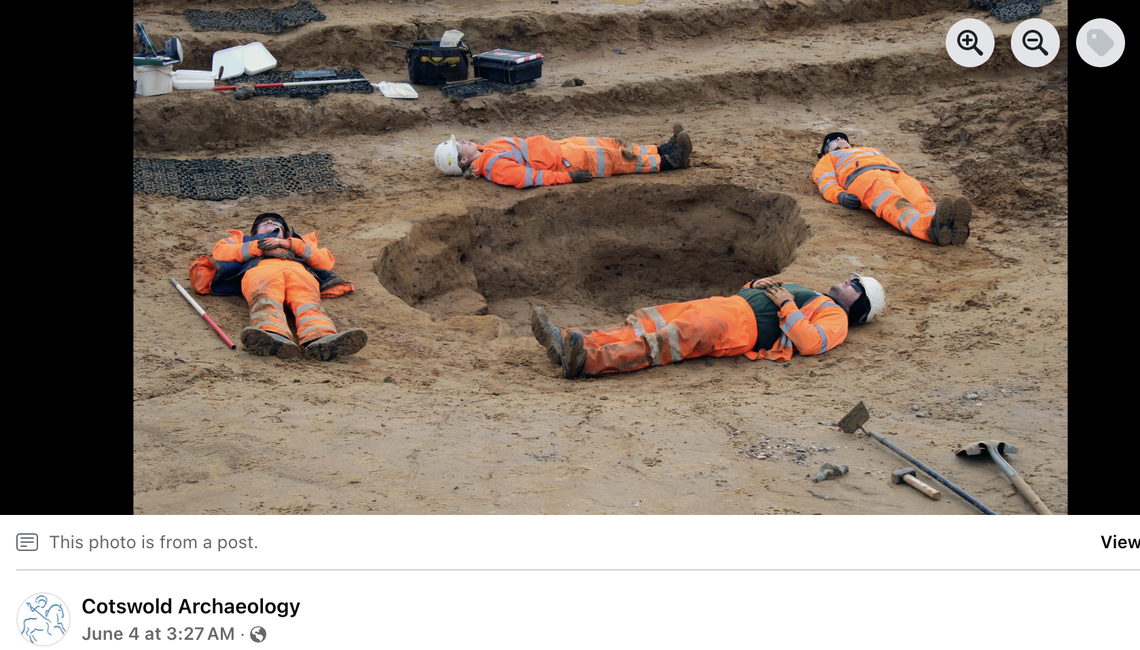
At the site of a future nuclear facility in the United Kingdom, researchers found hundreds of pits dating back to the Neolithic period, between 4,200 and 6,000 years ago. These pits, filled with pottery, flint pieces and animal bones, may have served ritual purposes rather than just domestic activities. | Published June 9 | Read More |
Hobbyists dig up 4,500-year-old blade, lead archaeologists to sensational find

In northwestern Germany, amateur archaeologists discovered a 4,500-year-old flint blade fragment, prompting further investigation by professionals. This led to the discovery of an even older artifact related to the Middle Stone Age, dating between 9650 and 4900 B.C. The finds offer valuable insights into the region’s ancient history, despite the challenging soil conditions for preservation. | Published June 10 | Read More |
16th-century shipwreck found — accidentally — at record depth in French waters

During a military operation, France’s navy discovered a 16th-century shipwreck, named Camarat 4, at a depth of about 8,200 feet near Saint-Tropez. The wreck, believed to be a merchant ship, contained hundreds of ceramic items, some monogrammed with “IHS,” indicating a possible origin from northern Italy. The depth of the wreck has helped preserve the artifacts, providing a unique snapshot of maritime history. | Published June 12 | Read More |
McClatchy News continues to follow the discovery of intriguing archaeological discoveries from around the globe. Check back to see the latest finds.
This story was originally published June 13, 2025 at 9:57 AM with the headline "First-of-their-kind ancient homes found in China and three more discoveries."