
With feral hogs invading Mississippi, feds roll out $11 million effort to fight back
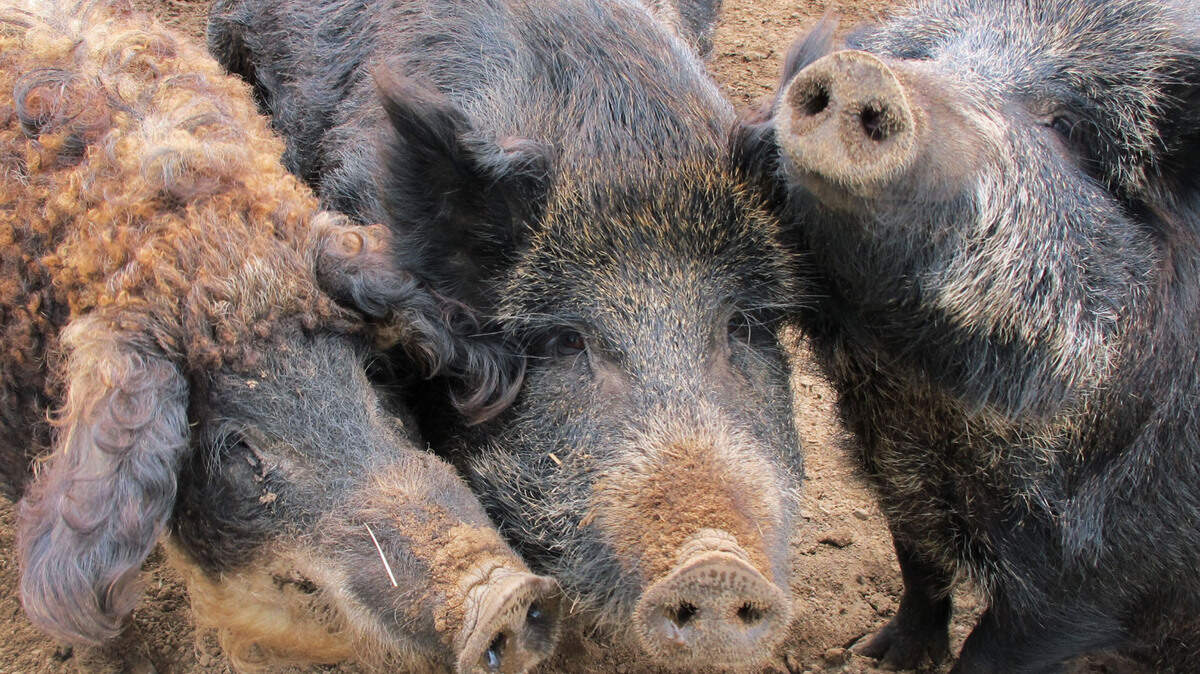
Feral hogs are wreaking havoc in Mississippi. That’s why the U.S. Department of Agriculture is investing more than $11 million to expand a project aimed at controlling the “destructive” swine.
Feral hogs have long been considered to be “the most destructive invasive species in the United States,” ruining crops and hunting smaller species to near extinction, The New York Times reported.
“Generally an invasive species is detrimental to one crop, or are introduced into waterways and hurt the fish,” Dale Nolte, manager of the USDA’s feral swine program, told the newspaper in 2019. “But feral swine are destructive across the board and impact all sectors.”
The latest funding expands an existing program into the southern Mississippi Delta region, which is considered a “priority area,” according to a news release. The area encompasses five counties northwest of Jackson: Issaquena, Sharkey, Warren and Yazoo.
Some of the additional funding will go toward education, outreach and trapping assistance for participating landowners whose land has been plagued by wild hogs, according to the USDA. Equipment including drones, cameras and baiting for traps are considered “crucial” for culling the feral hog populations.
This new effort is part of the Feral Swine Eradication and Control Pilot Program, which launched in 2018 to address “the threat feral swine pose to agriculture, native ecosystems, and human and animal health,” according to the agency’s website.
The program pairs the USDA’s Natural Resources Conservation Service (NRCS) with the Animal and Plant Health Inspection Service, bankrolling projects in Mississippi and other states, including North Carolina, South Carolina, Alabama and Texas.
“These awards enable landowners to address the threat that feral swine pose to natural resources and agriculture,” Kurt Readus, a conservationist with the USDA’s Natural Resources Conservation Service in Mississippi, said in a statement. “The projects we have identified will be key to addressing the feral swine problem.”
The species was first brought to the Americas in the 1500s and has since been reported in at least 35 states across the western and southeastern regions of the U.S., maps show. Wild hogs are the descendants of escaped farm pigs and are known by several different names including wild boar, razorback, and piney woods rooters, according to the USDA.
“No matter the name they are a dangerous, destructive, invasive species,” the agency said.
This story was originally published January 14, 2021 at 12:23 PM with the headline "With feral hogs invading Mississippi, feds roll out $11 million effort to fight back."