CA High-Speed Rail seeks new federal money after Trump administration pulled $4B
AI-generated summary reviewed by our newsroom.
- California High-Speed Rail Authority wants new federal money after $4 billion rescission.
- Authority CFO announced intent to apply for federal program for Madera–Merced funding.
- The authority also says risk of more further claw backs from feds still exists.
Despite losing billions to President Donald Trump’s administration last year, the California High-Speed Rail Authority is seeking new federal money to help pay for construction in the Central Valley.
The rail authority on Tuesday confirmed it has applied for “approximately” $500 million from the Federal Railroad Administration — the same federal agency that pulled $4 billion from the project in August under the direction of Trump-appointed Transportation Sec. Sean Duffy.
At the same time, the rail authority has acknowledged that the Trump administration could actually try to rescind more of the federal dollars it still has left — about $242 million.
“There is definitely some opportunity left,” Rail authority CFO Jamey Matalka said during the agency’s June 24 board meeting.
The rail authority’s intent to continue seeking federal money reflects CEO Ian Choudri’s push to secure more funding wherever there’s an opportunity — be it the private sector, the state or even a federal government that opposes the project. Choudri has cautioned that the rail authority is facing a cashflow problem that could keep it from meeting deadlines in the Central Valley and from quickly building beyond the region.
The agency has been at odds with Trump since his first term, when he pulled $1 billion from the project that were later returned during Joe Biden’s presidency. Trump has long criticized the project’s history of delays, cost increases and focus on the Central Valley segment — which he has often described as a “train to nowhere.”
In California, the state has provided more than 80% of the $15 billion spent on the project so far. But during a recent visit to Fresno, Choudri told The Bee that “we do want" a federal partnership and noted that successful high-speed rail systems in other countries have all had their national government’s support.
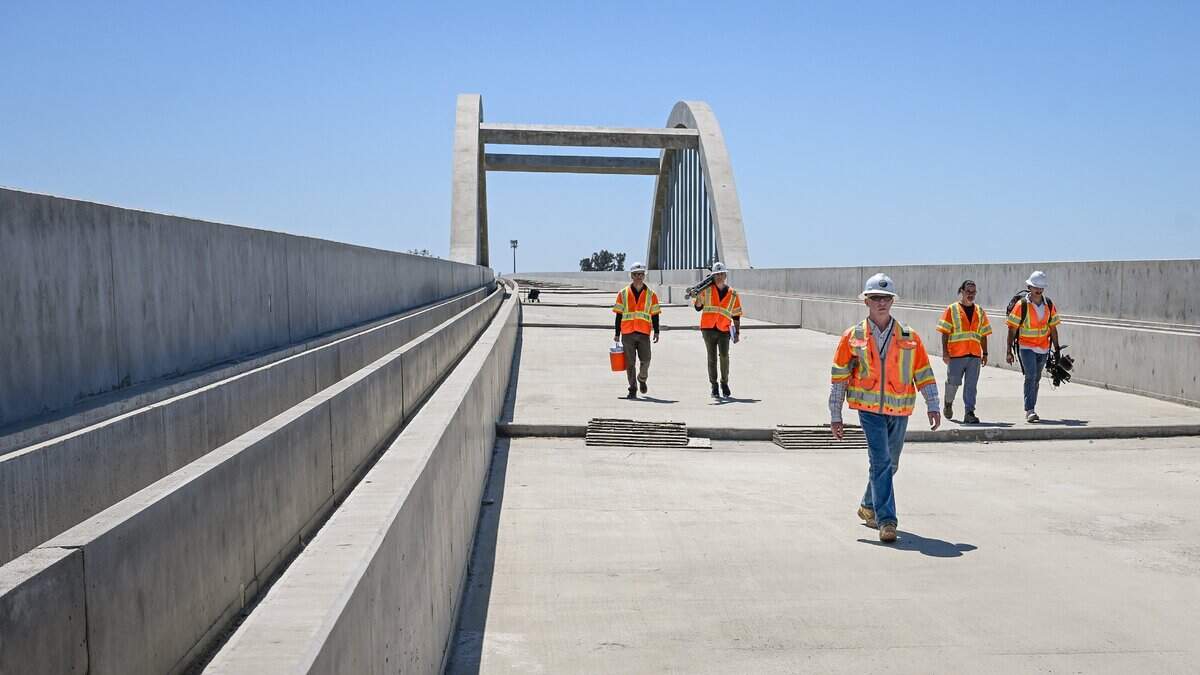
HSRA wants rail grant for Merced, meets with feds monthly
The rail authority wants money from the Federal Railroad Authority’s Consolidated Rail Infrastructure and Safety Improvements Program. The program has carved out $532 million for projects in rural areas.
Matalka said during the rail authority’s June 24 board meeting that the agency wants the money to help extend the system from Madera County to Merced. The rail authority has begun looking for contractors who could build the 30-mile segment’s civil infrastructure — a project expected to begin late next year and that could cost $2.4 billion.
During the same meeting, Matalka told board members the rail authority meets with the Federal Railroad Authority monthly to provide updates related to the obligations on the federal money it has left. Though he admitted another rescission is possible, Matalka said federal officials “so far” have not commented that they intend to pursue one.
Duffy, Trump’s transportation secretary, argued the rail authority had broken the terms of two of its federal grant agreements when he decided to pull $4 billion from the project last year — money that was earmarked for key projects in the Central Valley, including the downtown Fresno station and Merced extension.
Despite dropping its lawsuit against the federal government in December, the rail authority has maintained its position that last July’s $4 billion rescission was “illegal.”
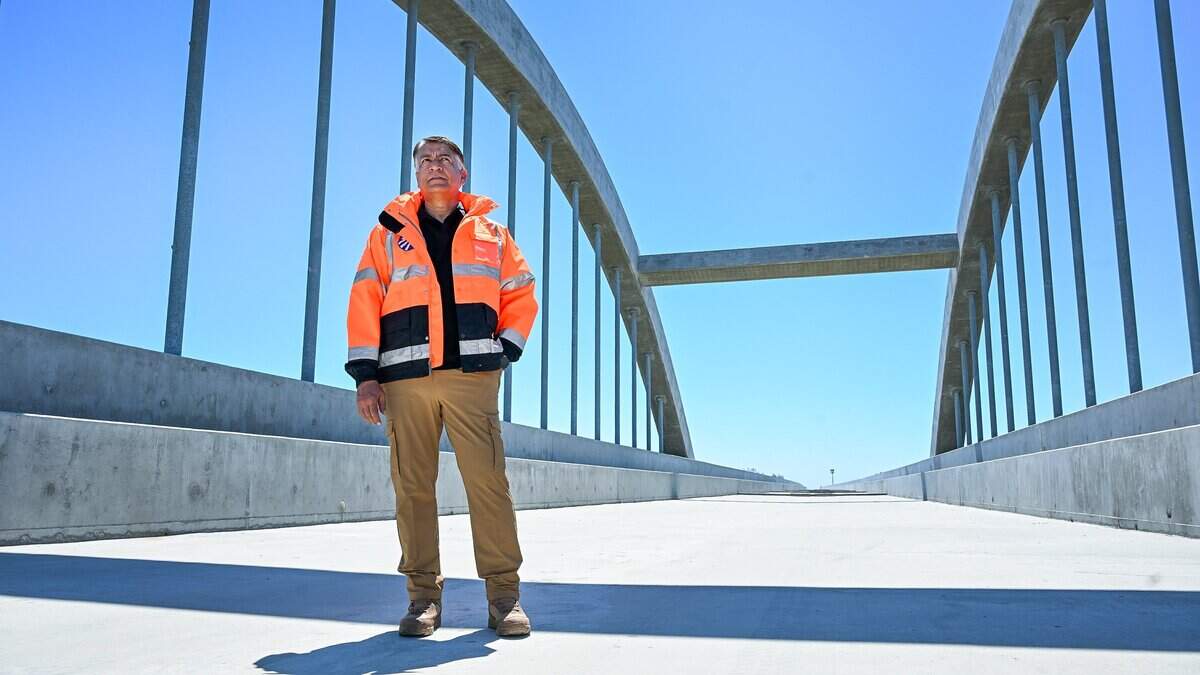
Choudri invites feds to visit Central Valley, says rail not ‘about politics’
In a mid-June interview, Choudri touted California high-speed rail’s progress in the Central Valley.
“I invite our federal partners to come and see, and then work with us, collaborate with us,” he said.
The CEO disputed the idea that building the system is “about politics” and said it should be looked at as a “public infrastructure project.” He added that in Europe and Japan, it’s “always the national government that commits.”
“The administrations change over time, but the programs keep moving,” Choudri said. “Treat this as the American infrastructure project, and then we will provide you all the information you need.”