Clovis Unified plans 37th elementary school by 2032; seeks support for new bond
Clovis Unified plans to issue a bond in 2028 that would pay for the construction of new school facilities to accommodate the growing student population, including construction of a 37th elementary school at a location yet to be selected.
The school district already started designing its 36th elementary school earlier this year. Located near Perrin Road and North Minnewawa Avenue, the project has an estimated cost of $77 million and is expected to open in the fall of 2030.
With the rapid influx of students, however, Clovis Unified is on track to need yet another elementary school by 2032, provided that Clovis and Fresno residents within the district attendance boundary approve a facility bond to fund the construction, district officials said at a recent board workshop.
Clovis Unified opened its 35th elementary school, Hirayama Elementary, on North Fowler Avenue in Fresno, in 2024.
State records show that Clovis Unified added 382 students in the 2025–26 school year, representing a 0.9% increase from the last school year. With a total non-charter student population of 43,254, Clovis Unified became the state’s 11th-largest school district in April, bucking the trend of declining enrollment seen in many of the largest school districts due to birth rate drops and families moving out of California.
Besides Clovis Unified’s reputation for excellent academic and athletic performance in the San Joaquin Valley, district officials attribute the increase in student enrollment to California’s accelerating expansion of transitional kindergarten eligibility. District data show that the youngest learner count in Clovis Unified’s transitional kindergarten program has surged to 1,467 students in 2025-26 from 468 students in the 2021-22 school year.
The school district estimates, conservatively, that the student count will grow by more than 1,300 over the next decade, which means the district would need two elementary schools, each with a standard capacity of 750 students, over the next few years.
“For this past year, we came in about 363 students over our projections,” said Andrew Nabors, coordinator of strategic planning and analytics. “Our projections are intentionally conservative for staffing purposes, and we identified high-growth areas early in the year to adjust our resources as needed.”
Nabors said the district noticed a slowdown in new home construction over the last few years, largely driven by higher interest rates, infrastructure constraints, and regulatory challenges. Overall, the district expects to see moderate future growth, he said.
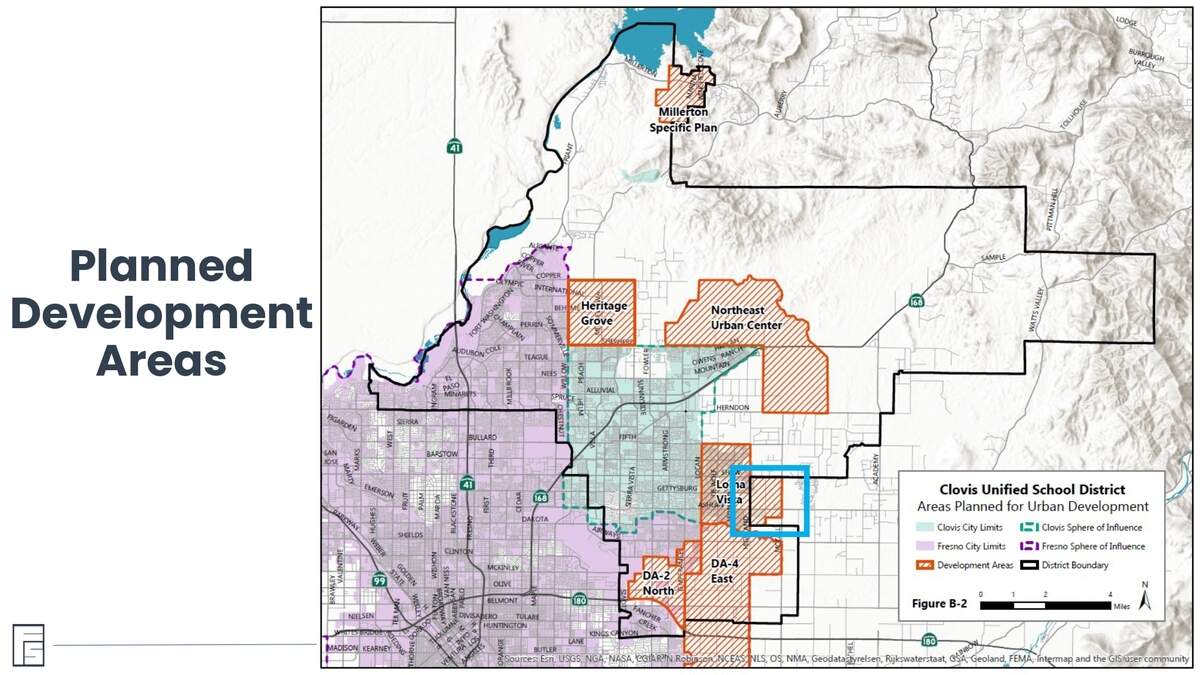
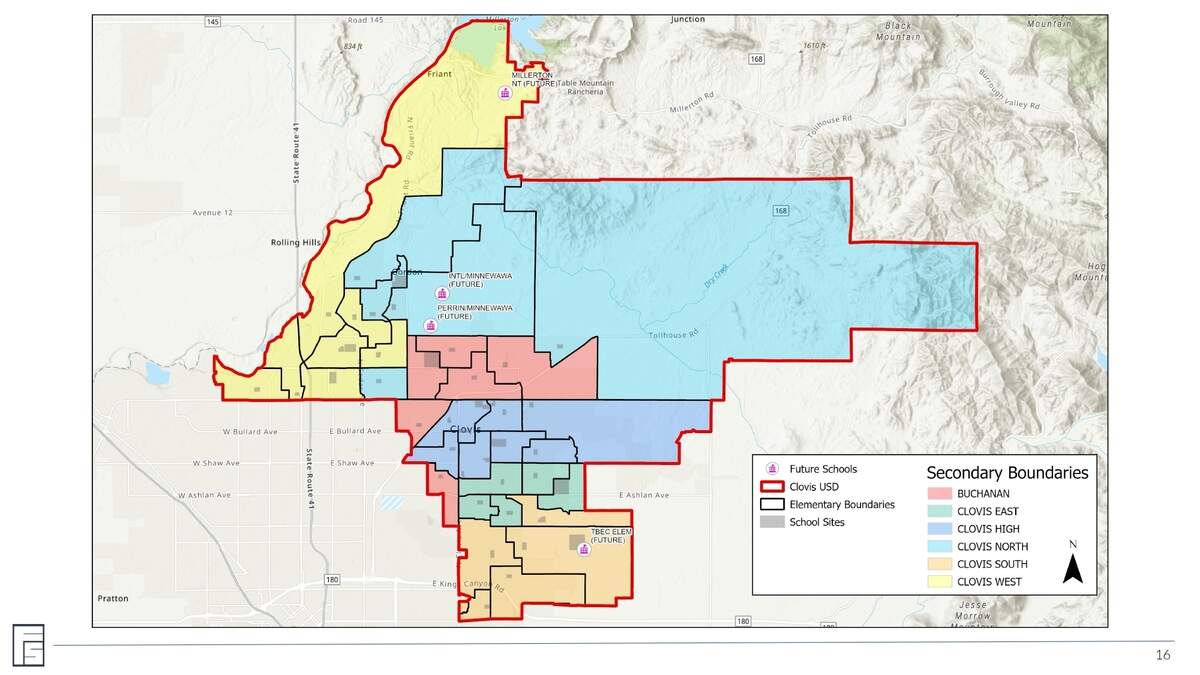
The location of the 37th elementary school has not yet been decided, said Denver Stairs, assistant superintendent of facility services.
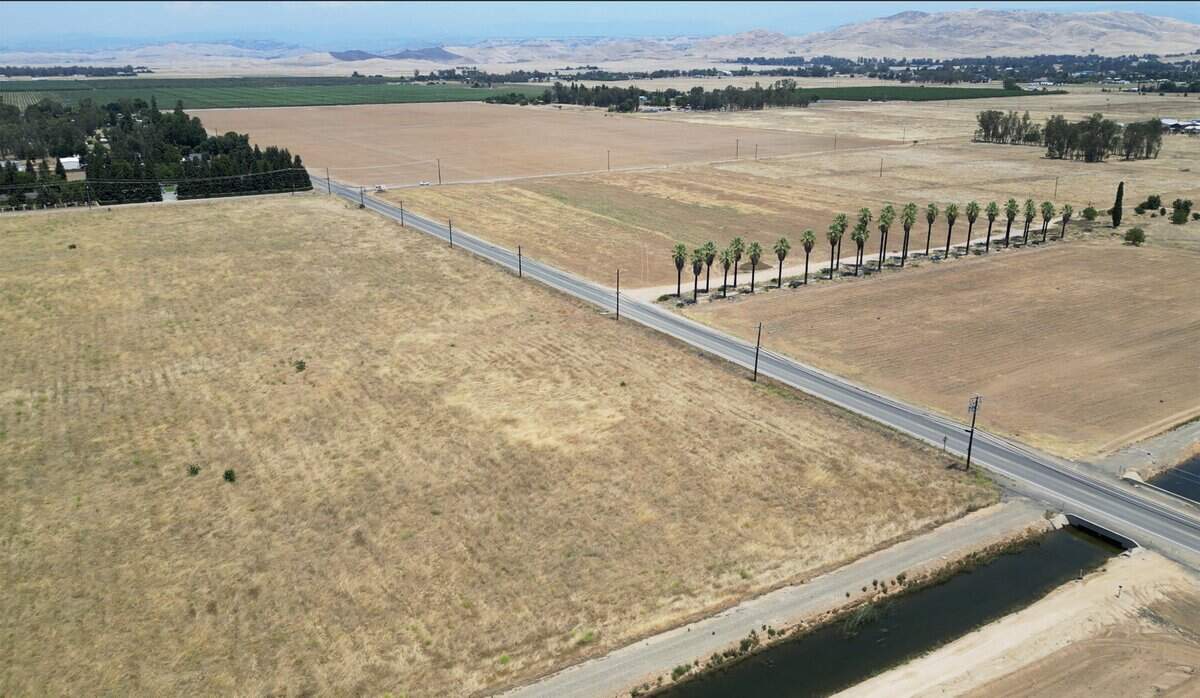
Based on the identified areas of housing and population growth, the district is considering multiple options. District officials said they are evaluating a potential site near Temperance Avenue and Shepherd Avenue. Other available sites include Minnewawa and International Avenues, within the Terry Bradley Educational Center, or at Millerton New Town, according to the district document.
“Also, both of those projects are dependent on the next bond passing for the construction,” Stairs said. “We have dollars in the current bond to design them. We do not have enough dollars in the bond to build those projects.”
Voters within the Clovis Unified attendance boundary approved the renewal of Measure A in the November 2024 election. The bond generated $400 million, but most of the funds go toward the completion of the Terry Bradley Educational Center, a middle and high school complex costing more than $600 million.
Last month, the district board adopted an 8.9% increase in the development impact fee on new residential construction, but that would only bring in approximately $10 million in revenue for the district every year.
Stairs said the district will seek voters’ approval for a bond on the 2028 ballot to fund the construction of the 36th and 37th elementary schools.
“Our plan will be to keep the tax rate the same at $155 for per $100,000 assessed value,” Stairs said. “That is a commitment that we’ve made to our community.”