Best CA colleges for low-income students? Central Valley school ranked in top 10
A Central Valley university is among the top 10 colleges in the nation for “social mobility,” according to U.S. News & World Report.
The publication recently released its 2026 Best Colleges rankings showcasing the top schools across the United States — and UC Merced landed in the top 10.
“Economically disadvantaged students are less likely than others to finish college, even when controlling for their achievement in high school,” U.S. News & World Report said.
“Some colleges are more successful than others at advancing social mobility by enrolling and graduating large proportions of disadvantaged students awarded with Pell Grants,” the publication added, noting that the “vast majority” of those grants go to students whose families earn less than $50,000 a year.
Here’s where UC Merced ranked, and why:
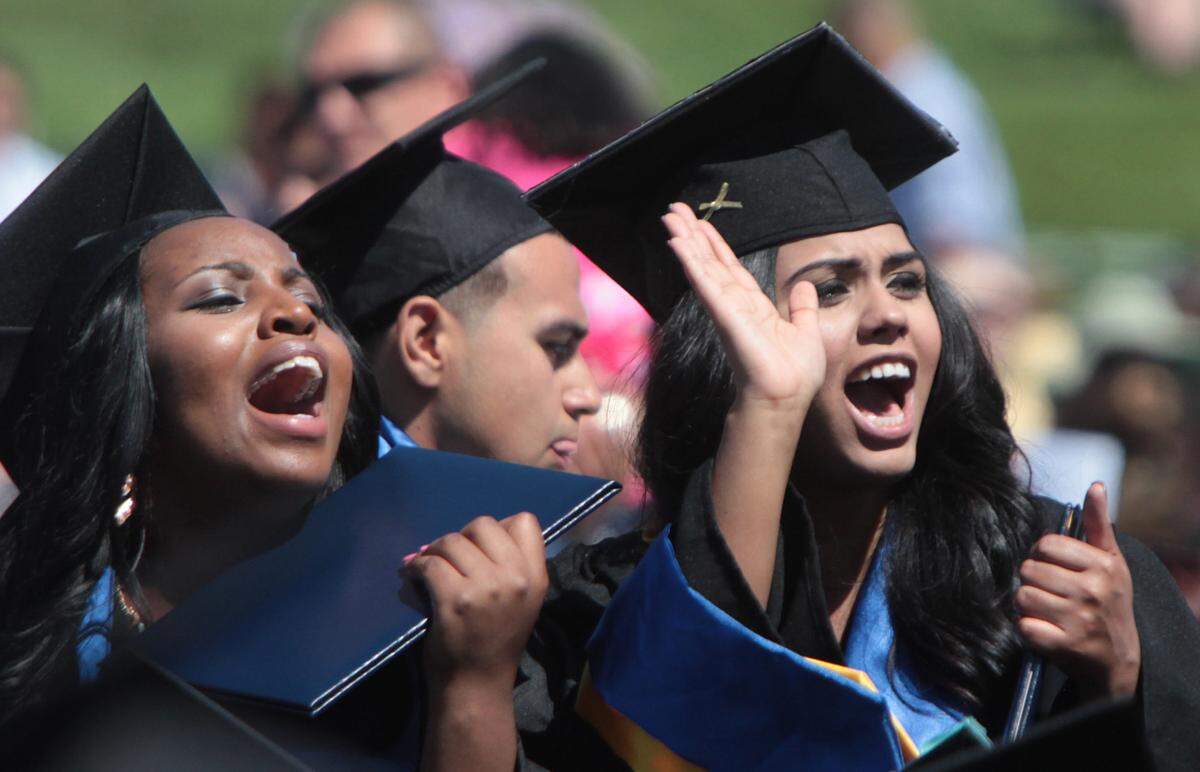
What makes UC Merced one of best colleges in US?
UC Merced ranked among the top five colleges in the nation for social mobility, U.S. News & World Report said, tying for third place with California State University-Long Beach.
Founded in 2005, UC Merced had a total enrollment of 8,372 undergraduate students and 738 graduate students in fall 2024, the four-year university said on its website.
Half of those undergraduate students identified as Hispanic, UC Merced said, while Asian students comprised 22% of the undergrad student population and 10% were white.
What’s more, nearly 65% of UC Merced undergraduate students are “the first in their families to go to college,” UC Merced public information officer Patty Guerra wrote in a 2023 article.
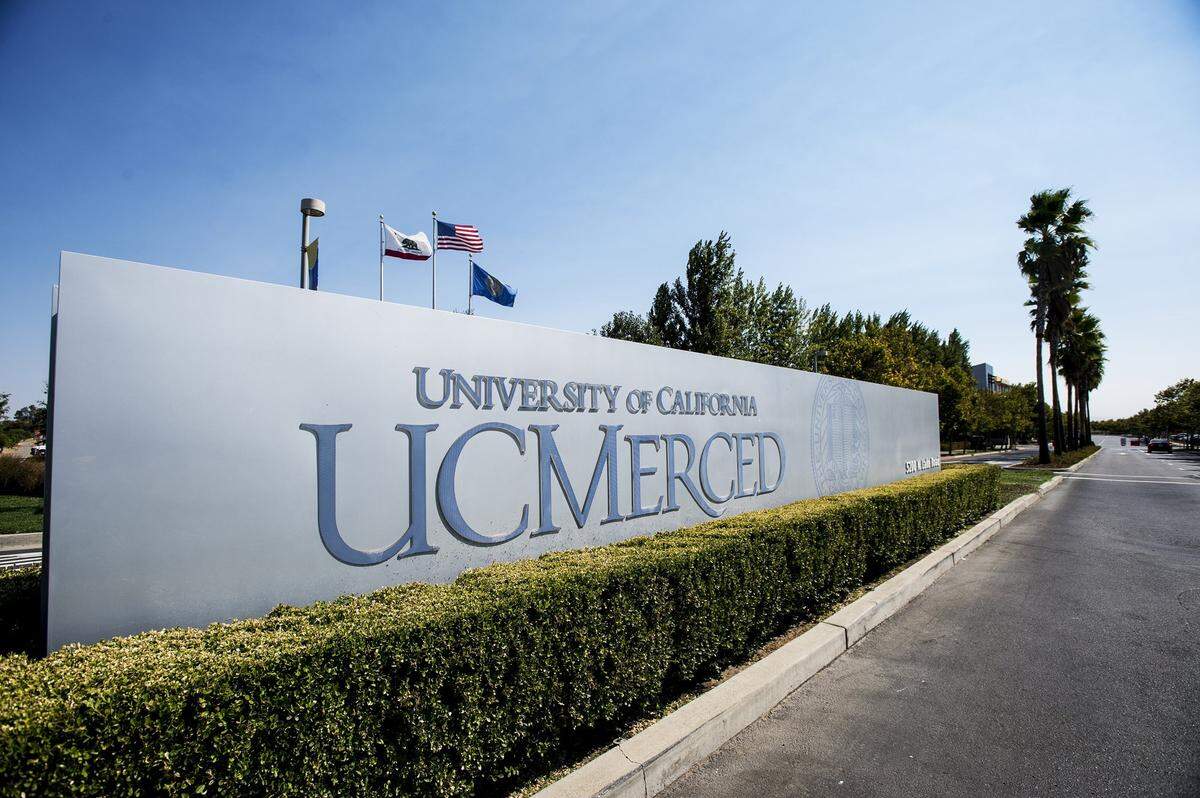
In-state students pay $15,244 in tuition and fees to attend UC Merced, while the cost goes up to $49,094 for out-of-state students, according to U.S. News.
About 69% percent of first-year students receive “need-based financial aid,” the publication said.
A little more than half of UC Merced students graduate in four years, U.S. News said.
It’s not the first time UC Merced has been recognized for its efforts to enroll students from lower-income households and help them graduate.
In 2024, the Central Valley university ranked No. 1 in the nation for social mobility, The Fresno Bee previously reported.
The Wall Street Journal teamed up with research partners College Pulse and Statista to rank the 2025 Best Colleges in the U.S.
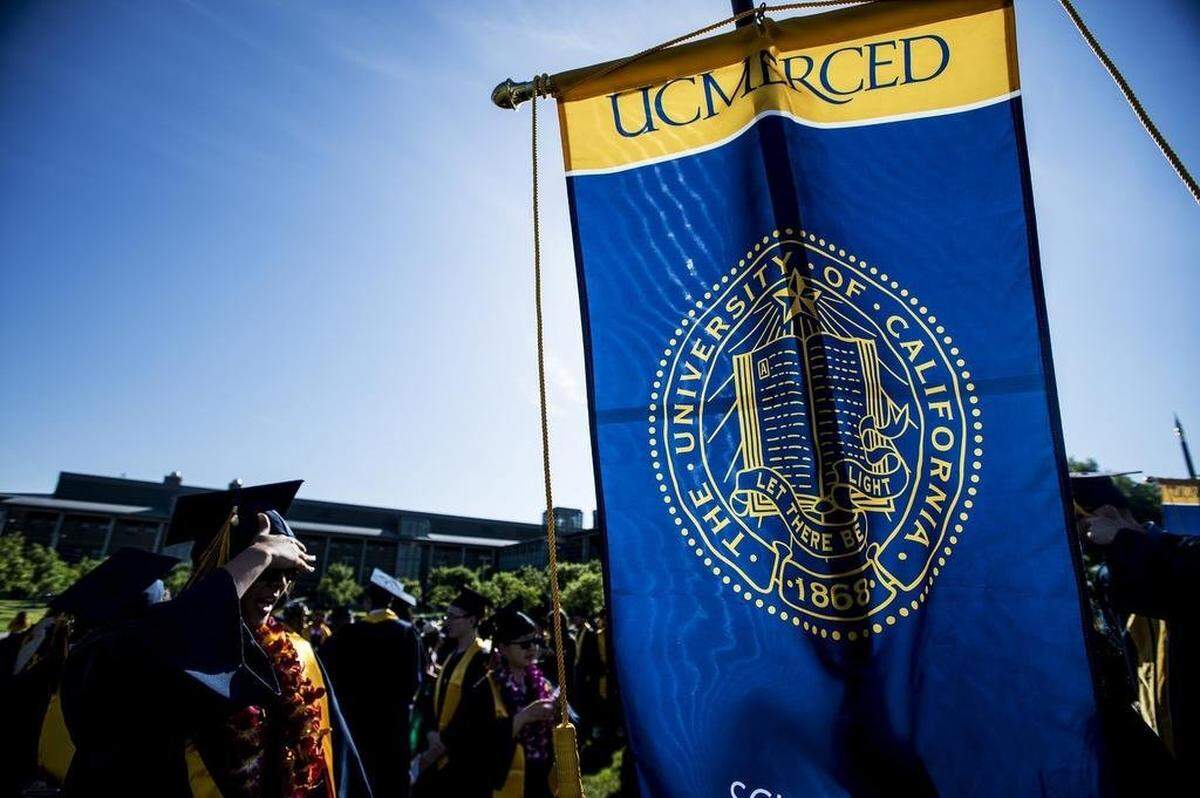
Merced university ranked among top public schools
U.S. News also named UC Merced one of the top 25 public schools in the United States for 2026.
The university celebrated the “major milestone” in a Facebook post on Wednesday, Sept. 24.
“Thank you to our incredible students, faculty, staff and community for making this possible,” the university said via Facebook.
What are top 10 universities for social mobility in US?
Across the United States, these were the 10 universities for social mobility in the United States, according to U.S. News & World Report:
- 1. Florida International University in Miami, tied with:
- 1. University of California, Riverside
- 3. California State University, Long Beach, tied with:
- 3. UC Merced
- 5. Rutgers University-Newark in New Jersey
- 6. California State University, Fullerton, tied with:
- 6. University of La Verne
- 8. University of St. Thomas in Houston
- 9. CUNY-City College in New York City, tied with:
- 9. Montclair State University in New Jersey
- 9. Rutgers University-Camden in New Jersey
- 9. University of Illinois Chicago
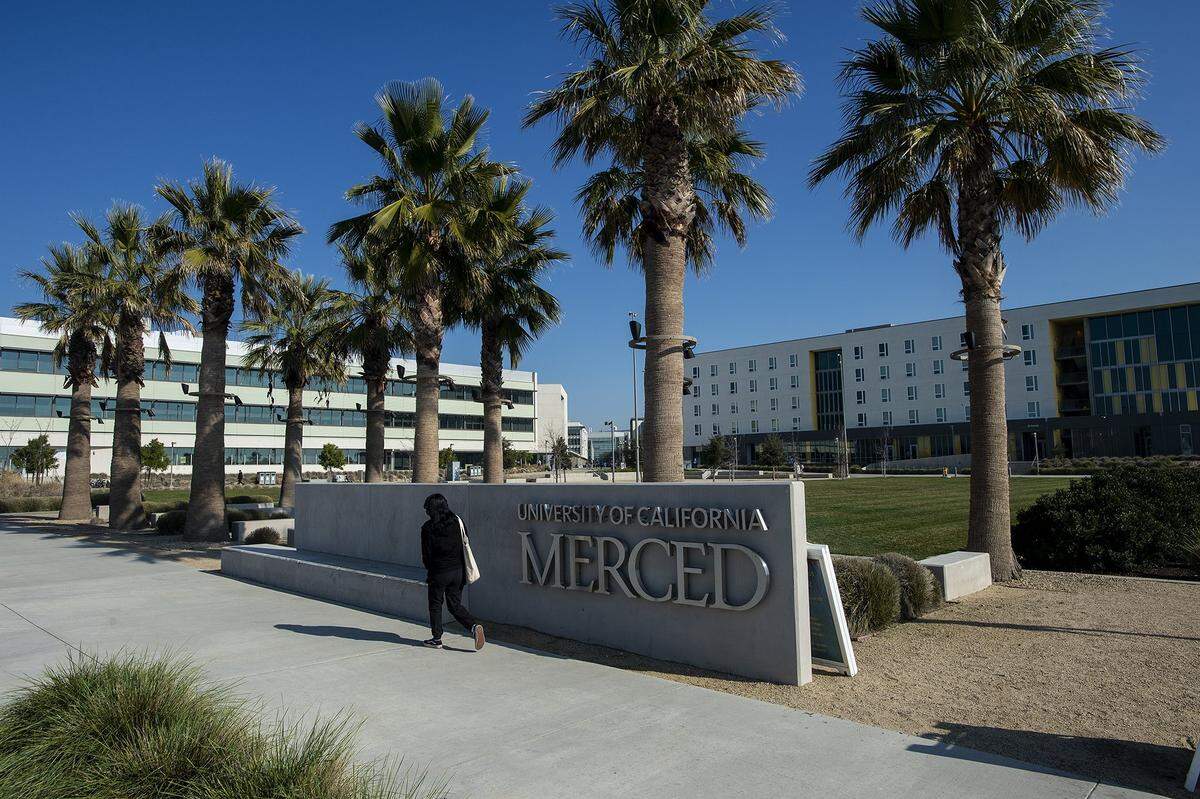
How did US News & World Report come up with school rankings?
To create the latest version of its Best Colleges rankings, U.S. News & World Report said it evaluated more than 1,700 U.S. colleges and universities, using up to 17 factors to “measure academic quality and graduate success.”
To be included in the Best Colleges directory, schools had to:
- Grant bachelor’s degrees
- Hold regional accreditation
- Offer traditional campus-based education
- Actively accept new applicants for first-year, full-time students
Each school had to enroll at least 100 undergraduates.
U.S. News said it combined “data supplied directly by schools” with third-party sources including U.S. Department of Education and the U.S. Department of Commerce.