Clovis Unified faces a budget deficit despite growing enrollment. Here’s why
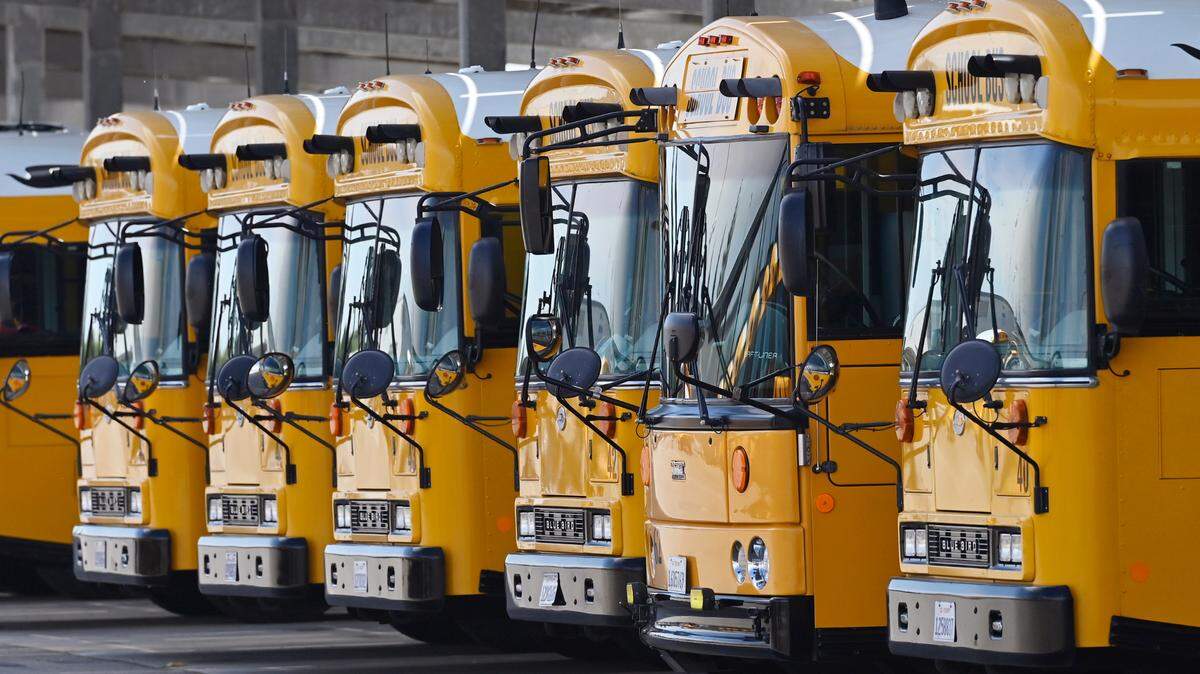
The Clovis Unified School District plans to run a $14.4 million deficit for the 2025-26 school year, budget documents show.
The $997 million budget adopted by the governing board Wednesday night is 35% less than the previous year’s $1.5 billion expenditure plan — in large part because the district budgeted for a number of multi-year construction projects, including the new Terry P. Bradley Educational Center set to open in August.
The $14.4 million deficit in the General Fund is primarily attributed to the district’s decision to increase spending on employee benefits and investments in special education, said Susan Rutledge, Clovis Unified’s assistant superintendent for business services.
The district will remain financially stable with the planned deficit bringing down the reserve level in the General Fund from 17.76% to 15.44%, well above the 10% minimum reserve requirement set by the board. The state Department of Education mandates school districts to maintain at least a 2% reserve.
“The deficit is just to bring our reserve down closer to what our minimum reserve is. We’re always looking at employee retention and how we can attract employees to our district, that’s why we’ve taken a really close look at our benefit package,” Rutledge said.
The district also pays out of pocket to grow its special education programs because the district doesn’t receive enough money from the state and federal government, Rutledge said.
Clovis Unified is the only district in Fresno County that does not qualify for additional funding from the state’s Local Control Funding Formula because it’s share of high-needs students, such as English learners and foster youth, falls below the 55% threshold.
Clovis Unified is closing the deficit gap in the General Fund. Last academic year, the estimated deficit was $16 million, Rutledge said. But with the projected growth of the student population, Clovis Unified plans to get rid of the deficit and operate a more balanced budget in the long term, she said.
Rutledge credited the school district’s stable economic condition to its careful spending of the one-time state and federal funds received during the COVID pandemic.
“We’ve done a really good job of keeping track of that one-time money. Even though we have used it for some positions, we would never use one-time money for ongoing expenditure,” said Rutledge. “We know that we want to keep these positions because they’re good for kids and we know we’re going to have to fund it with our ongoing funds.”
Benefiting from the housing development within the district boundaries, Clovis Unified’s student population has been steadily increasing for the past few decades. Over the past 10 years, enrollment has grown by more than 2,000 students, making Clovis Unified the 12th largest school district in California. The district expects to have nearly 44,000 students enrolled for the new academic year.
The board also approved $99 million for the sixth phase construction of the Terry P. Bradley Educational Center, which includes a high school classroom building, a sunken gym, and a football stadium.
Denver Stairs, the assistant superintendent who leads the district’s facilities team, told the board that the two academic buildings, an office building, a snack bar, and a locker room will be ready for August.
The campus is planned for an incremental opening, he said. Students in grades 7 through 9 will be the first to attend the Phillip V. Sanchez Intermediate School and Clovis South High School.