Fresno students fear Trump’s mass deportation plans. Will schools be an enforcement target?
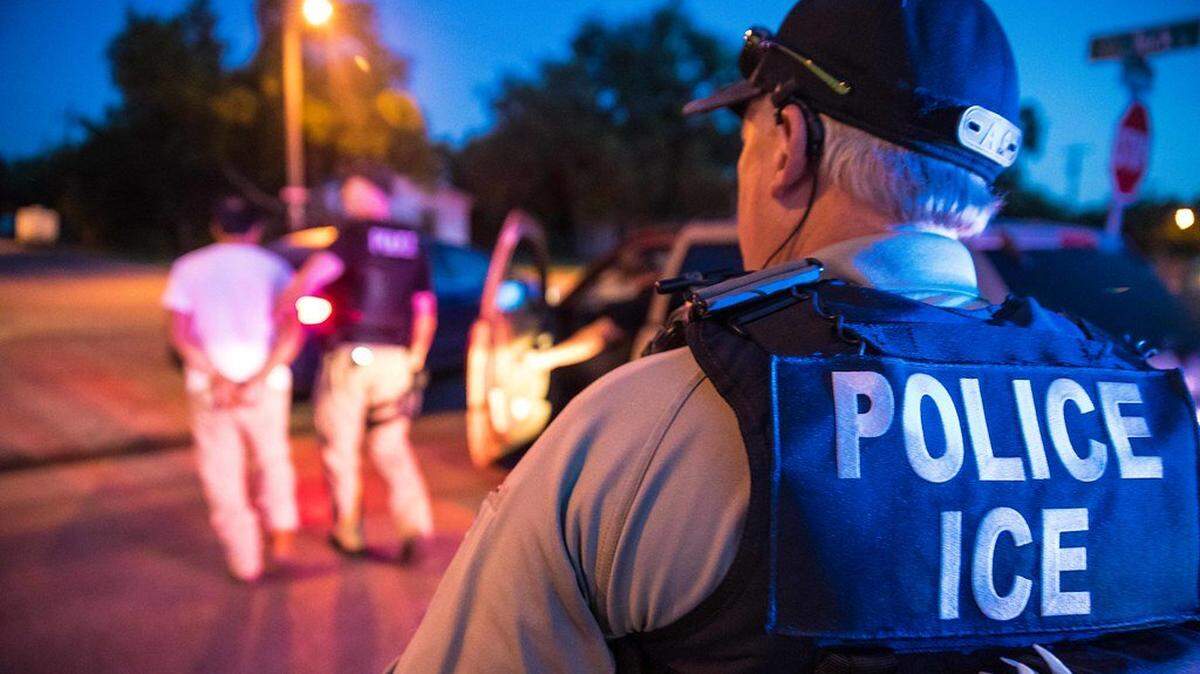
California legislators and Fresno-area school district leaders are bracing for the potential impact President-elect Donald Trump’s promised mass deportations could have on students and schools.
In Fresno, the state’s third-largest school district has been holding informational sessions to educate families of their constitutional rights as some students worry about their undocumented parents’ risk of deportation.
In Sacramento, state lawmakers have introduced a pair of bills to block Immigration and Customs Enforcement officers from entering schools and carrying out deportations.
California’s public schools have not historically been a target of immigration enforcement, as ICE typically discourages deportations in sensitive locations such as schools, hospitals and places of worship. But the reactions at the state capital and in the Valley come as Trump has vowed to aggressively enforce deportations once he takes office in January.
State lawmakers say their proposals aim to shield California’s public schools from the potential financial impact of mass deportations, as schools are largely funded based on student attendance.
Senate Bill 48 by Senate Majority Leader Lena Gonzalez, D-Long Beach, seeks to keep ICE agents off California campuses by creating a one-mile radius safe zone around schools and strengthening the prohibition on the use of school data for deportations.
Similarly, Assembly Bill 49, proposed by Assemblymember Al Muratsuchi, D-Torrance, aims to deter school and childcare center employees from allowing ICE officers to enter a school site or childcare facility without providing valid documents. Access would be restricted to facilities where no children are present even if a deportation officer meets the requirements.
“I teach a political science class at my local community college, and most of my students are from immigrant families. They have been sharing their fear,” said Muratsuchi. “As high as one out of every six California public school students have one or more undocumented parents or family relatives.”
Fears of deportation in Fresno
More than 3,000 students in the Fresno Unified School District were born outside of the United States, according to Carlos Castillo, the district’s chief of diversity, equity and inclusion.
Not all of these students are undocumented, Castillo said. California laws prohibit public schools from collecting information or documents about the immigration status of students or their family members. Still, the district has seen more “newcomers” join the district, Castillo said, and the district has had to add weekly classes in high schools to help students who are new to the country accelerate their English learning.
On a recent rainy evening, more than two dozen parents attended one of the “know your rights” informational sessions organized by the school district. The sessionsaim to provide practical advice and connect families to free immigration services.
A father of Fresno Unified students who attended the session said he wanted to know what to do if he encountered deportation agents. His family illegally immigrated from Mexico five years ago and fear deportation after building a life in the U.S.
“I had to cross quickly, there was no chance to get to immigration and sort something out,” the father said.
Another father of Fresno Unified students said his family migrated to the U.S. two years ago with a tourist visa. The family decided to stay because of the insecurity in their home country, Mexico.
“My children are a little afraid because they realized that Donald Trump won and what he says,” said the father. “I tell them not to be afraid, that it’s just a change in government.”
The father said he believes there will be deportations, but as an adult, he’s not worrying too much because he thinks the deportations will not be “as strongly as Trump said,” he said. “But you never know what can happen and having a plan is good to protect your children, your family.”
Matias Bernal, executive director of Education and Leadership Foundation, the non-profit hosting the informational sessions, said the organization has received three times the usual number of inquiries for help since November.
“Families are worried about what happens if parents are undocumented but their children are U.S. citizens, and what happens if there’s a threat of deportation for the whole family and folks are not familiar with the native language,” Bernal said.
How are Fresno school districts responding?
The Fresno Unified school board plans to adopt a resolution at its Jan. 8 meeting reaffirming that campuses are safe spaces for learning and teaching, and that staff will not engage in any immigration enforcement attempts. The district will connect families with resources and provide additional mental health support for students, said Trustee Andy Levine.
“We’ve also been talking about supporting parents with filling out emergency cards should any family members be at risk of deportation,” Levine said.
Clovis Unified spokesperson Kelly Avants said the district, which serves 42,600 students, does not know whether a student is a documented resident, but various kinds of support programs are available if a child is struggling for any reason.
Paul Lopez, superintendent of Mendota Unified, a small, rural district in west Fresno County, said the district’s priority is ensuring that students feel safe and supported in an environment free from fear or intimidation.
The district connects families with resources, including legal support services, mental health counseling, and community organizations to help them navigate any uncertainties they may face, Lopez said in an email.
“While I cannot speak to specific legislation being introduced at the state level, we fully support measures that reinforce the safety and well-being of all students, especially those from vulnerable populations,” Lopez said.
This story was originally published December 22, 2024 at 5:30 AM.